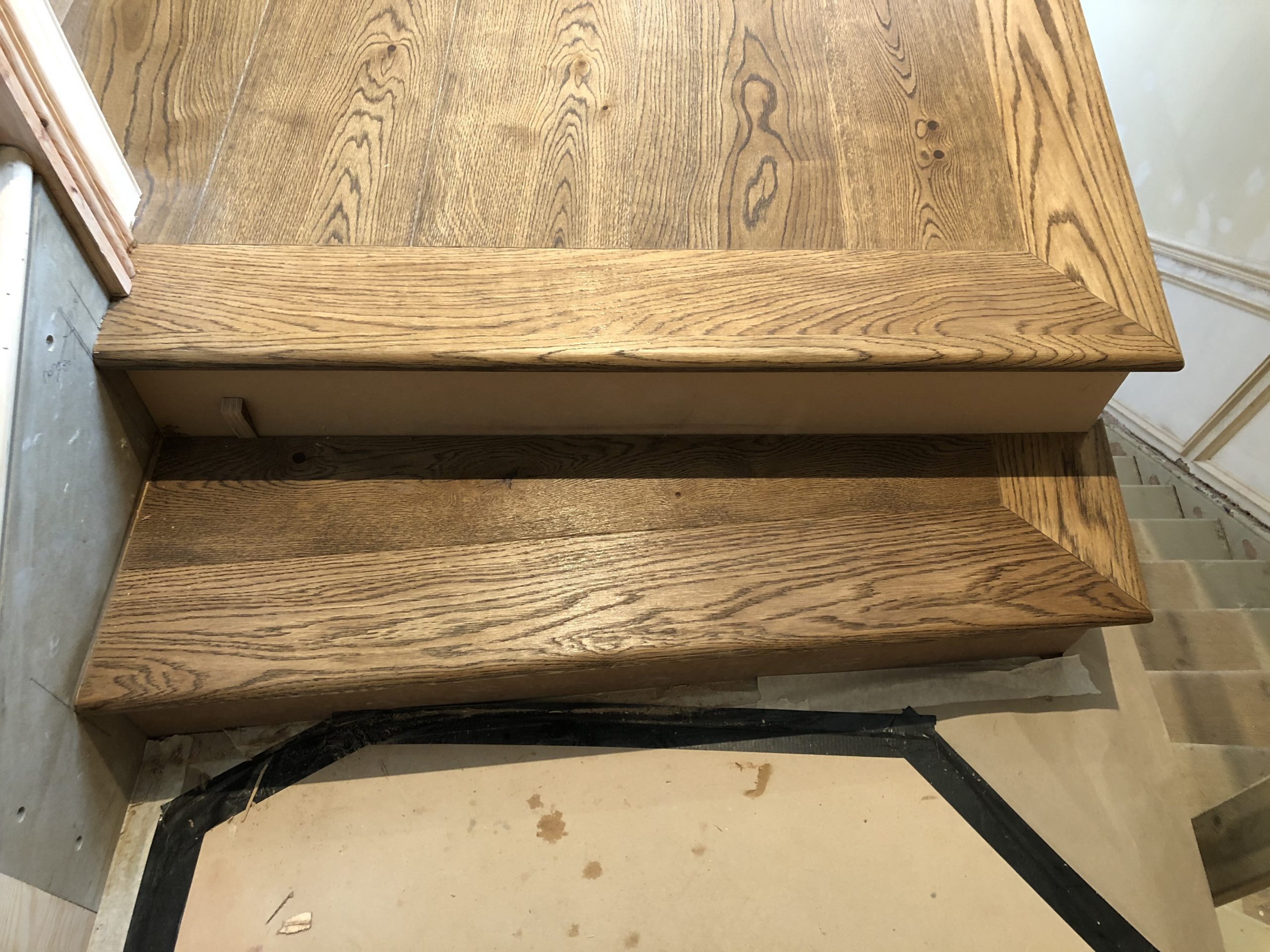
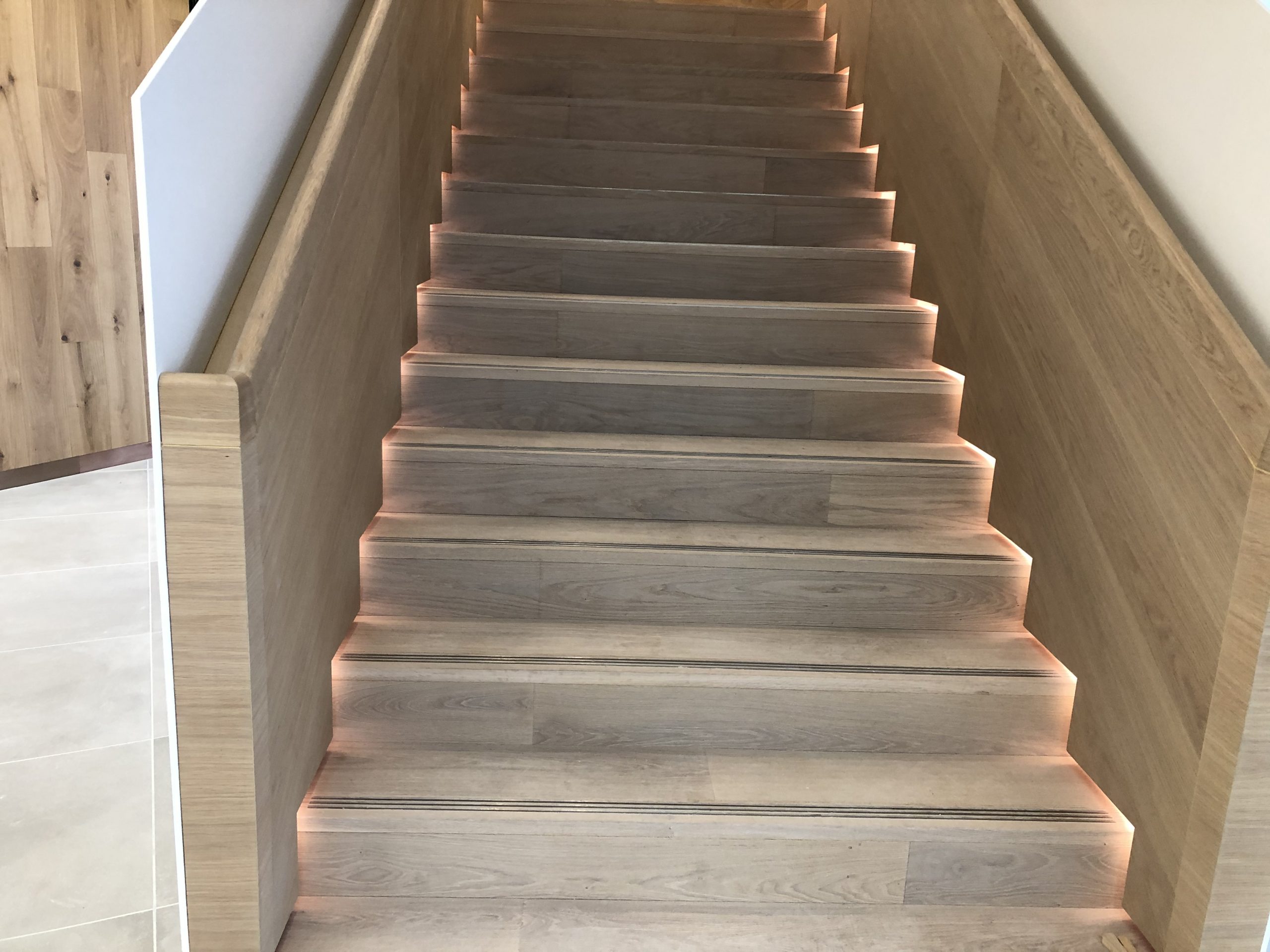
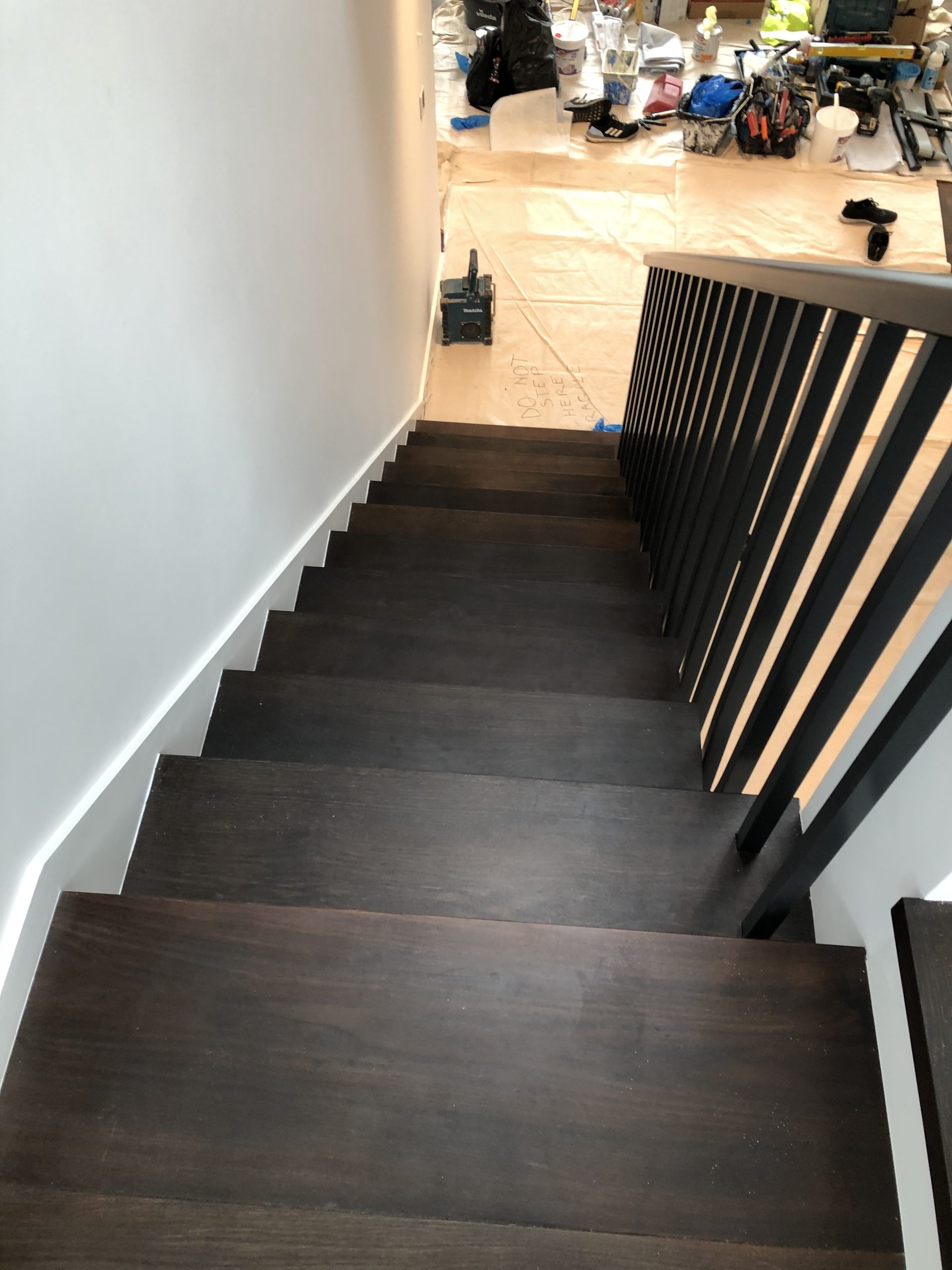
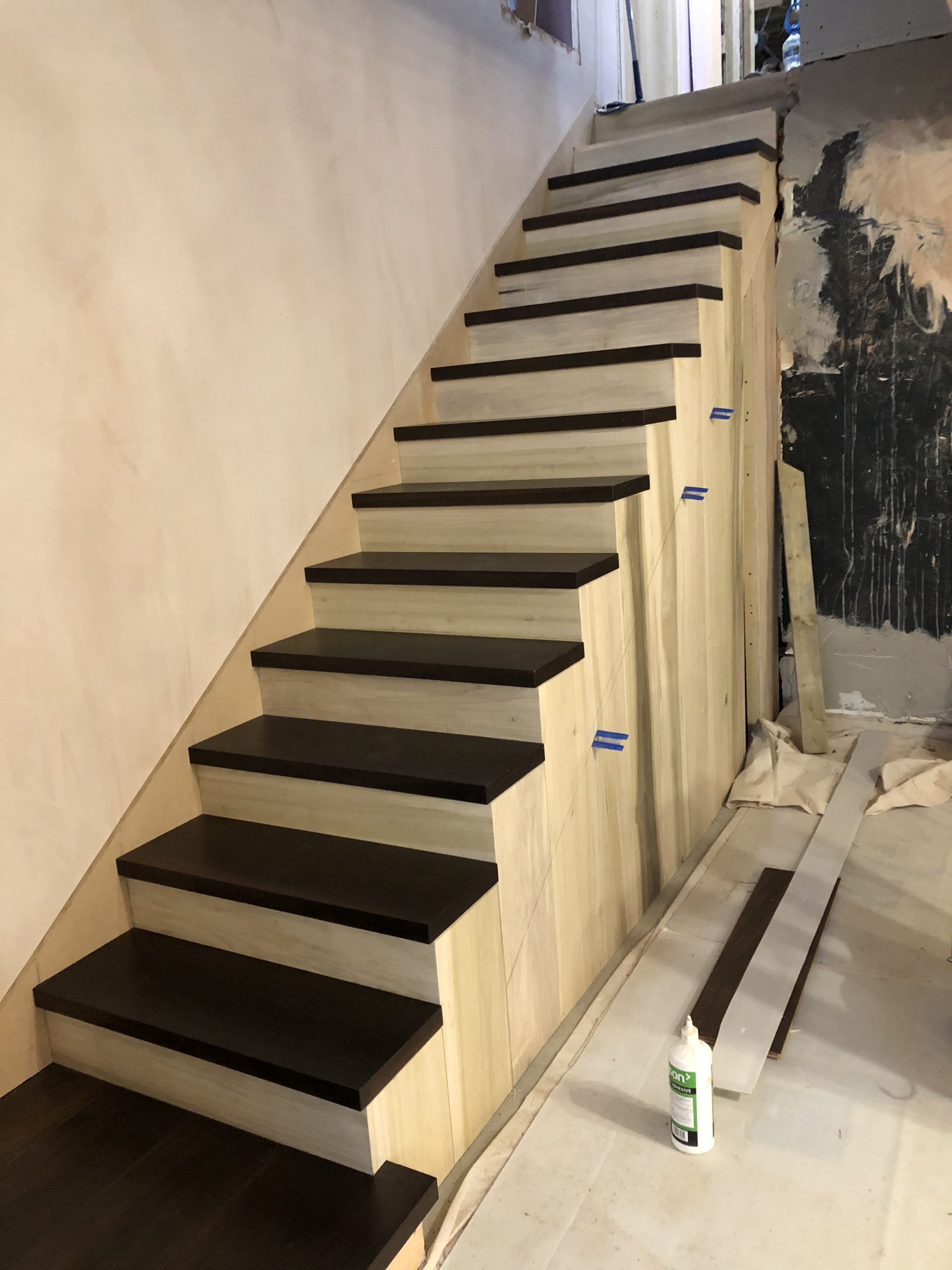
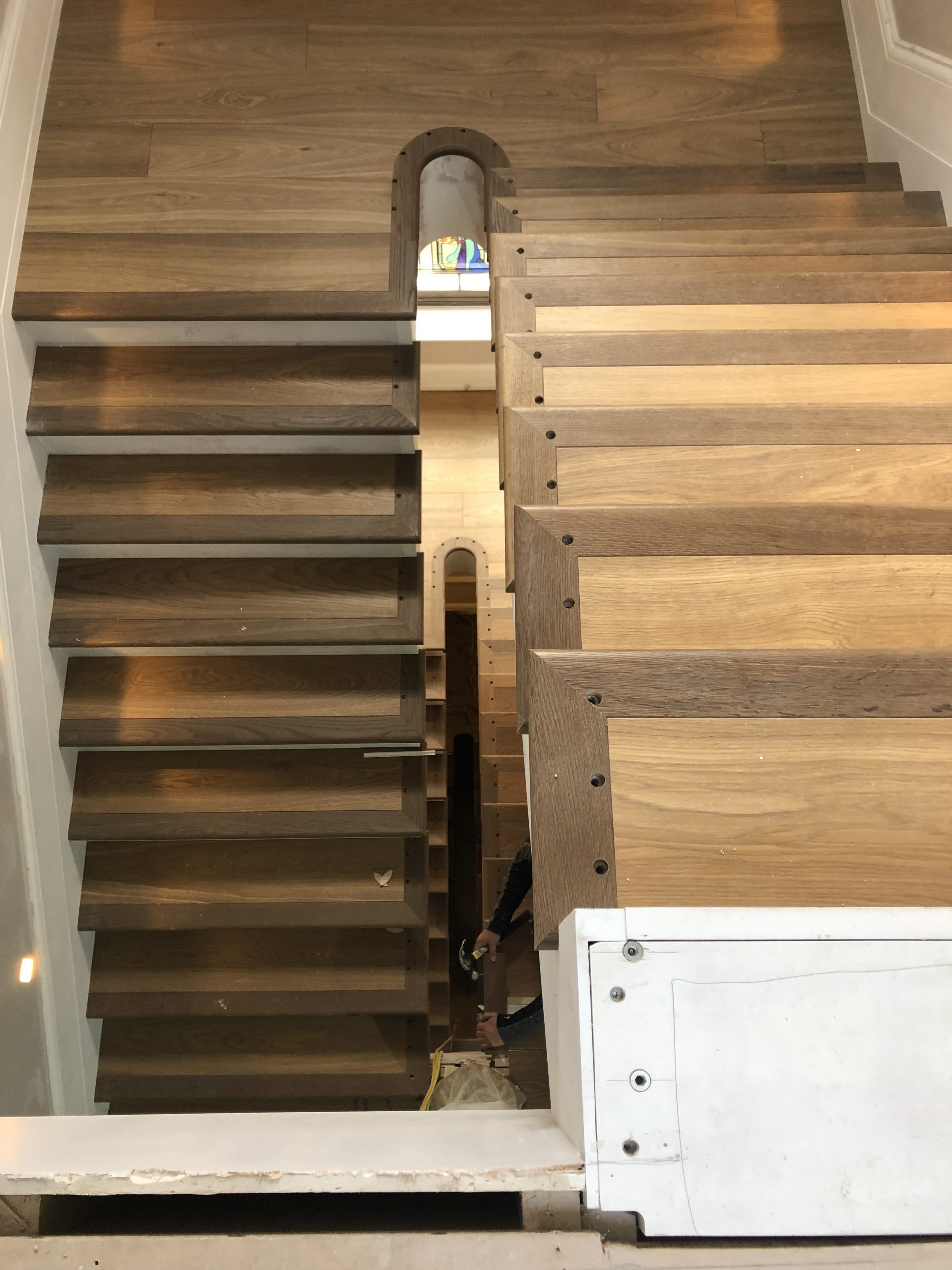
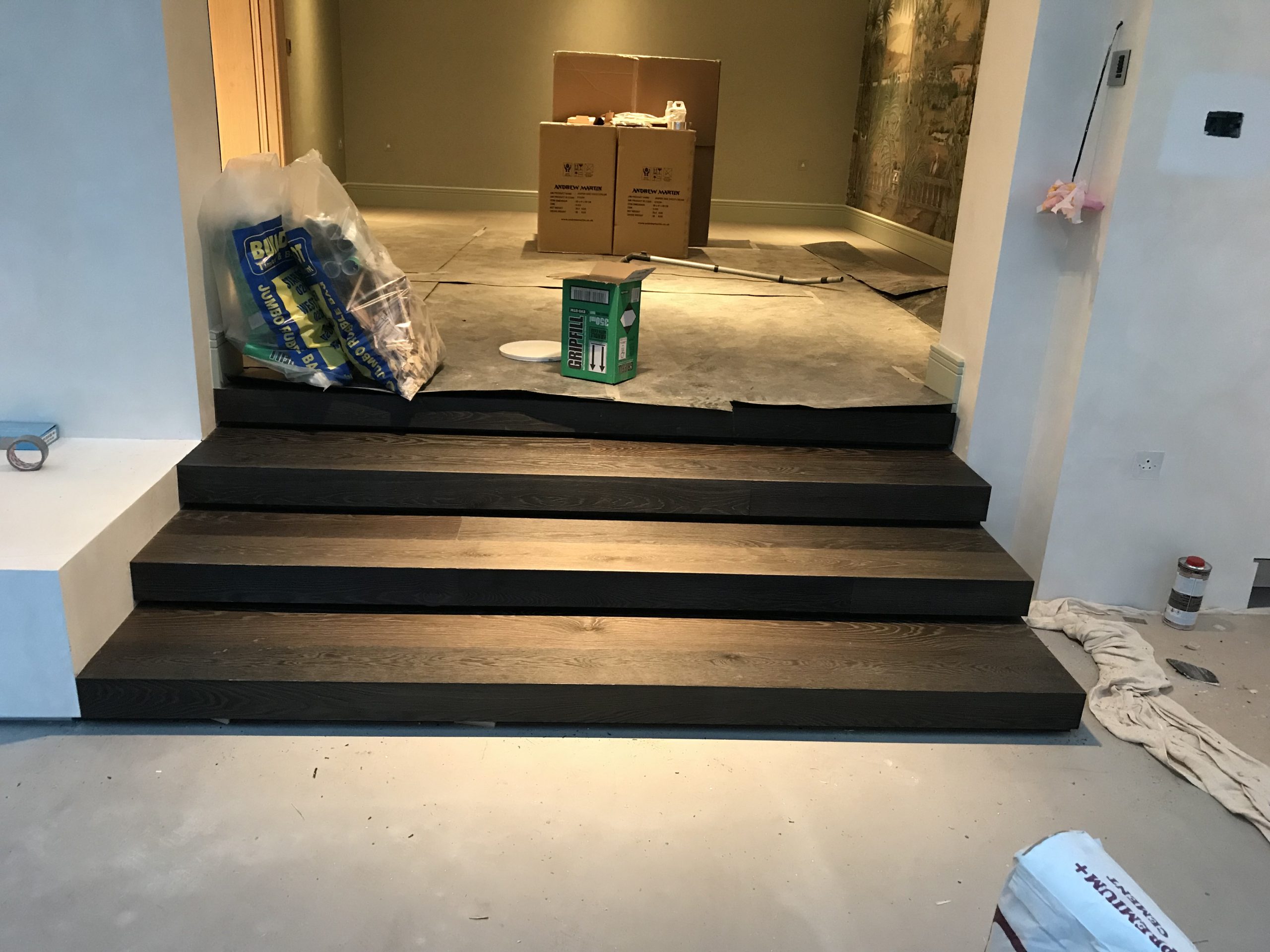
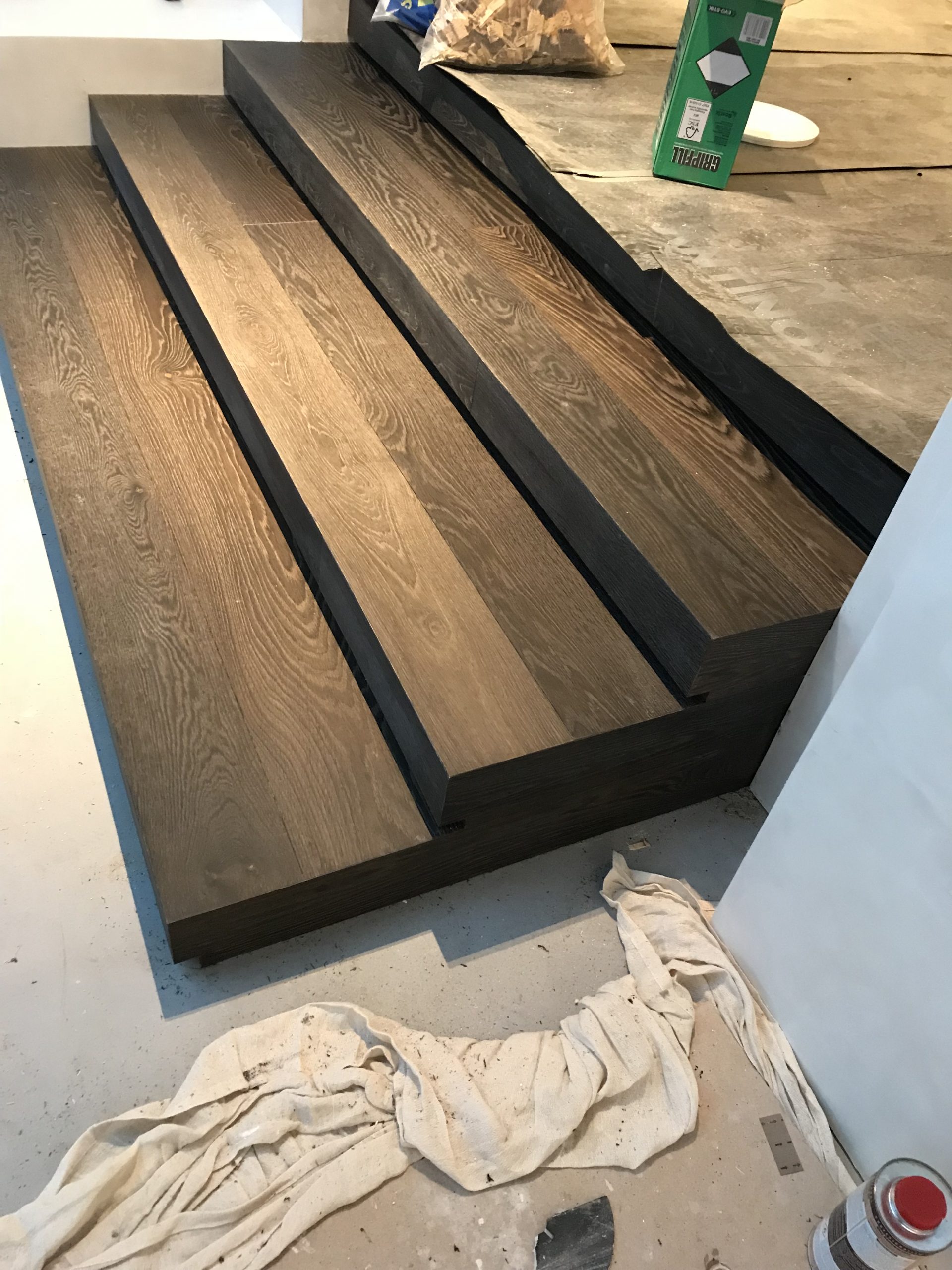
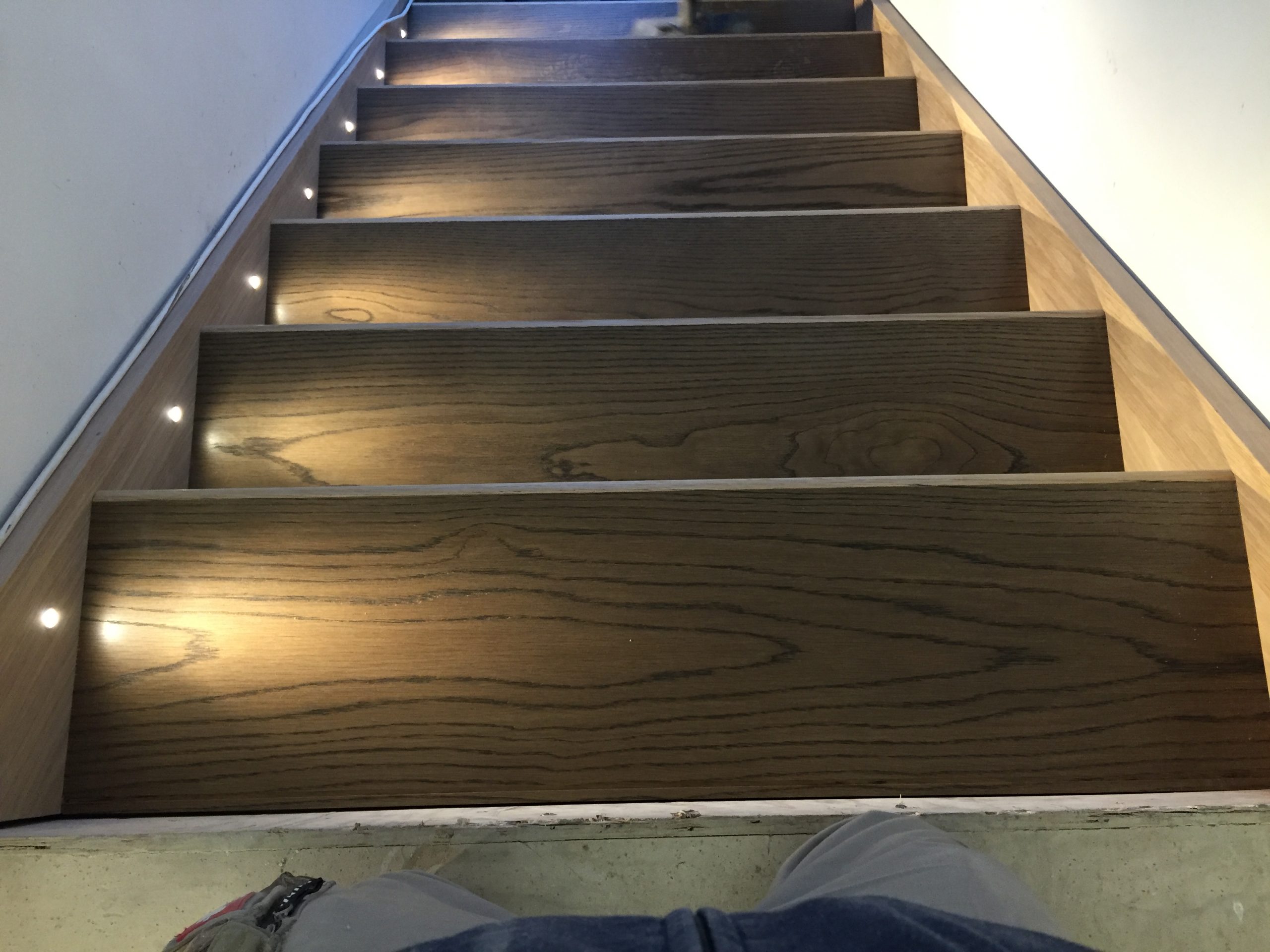
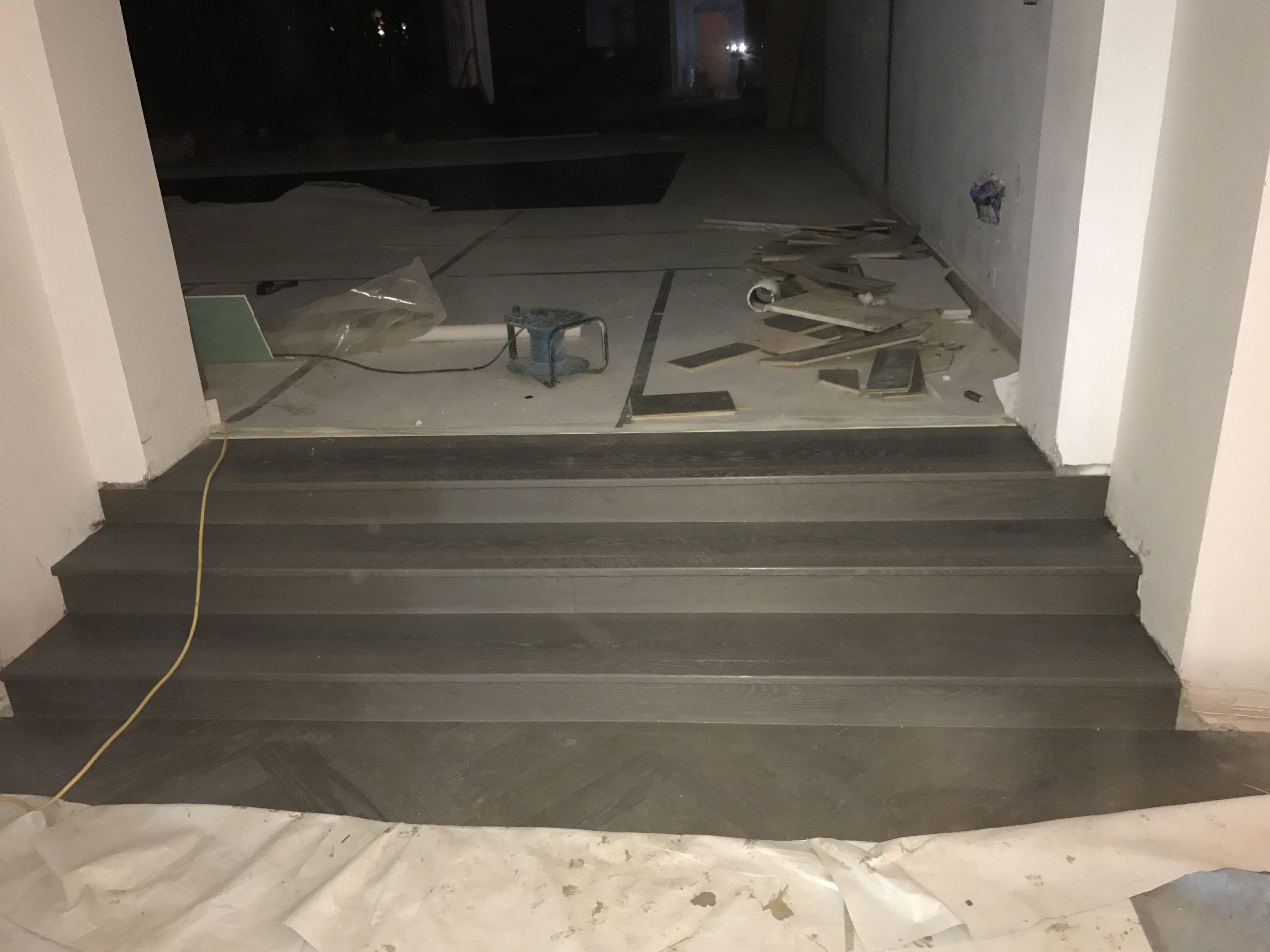
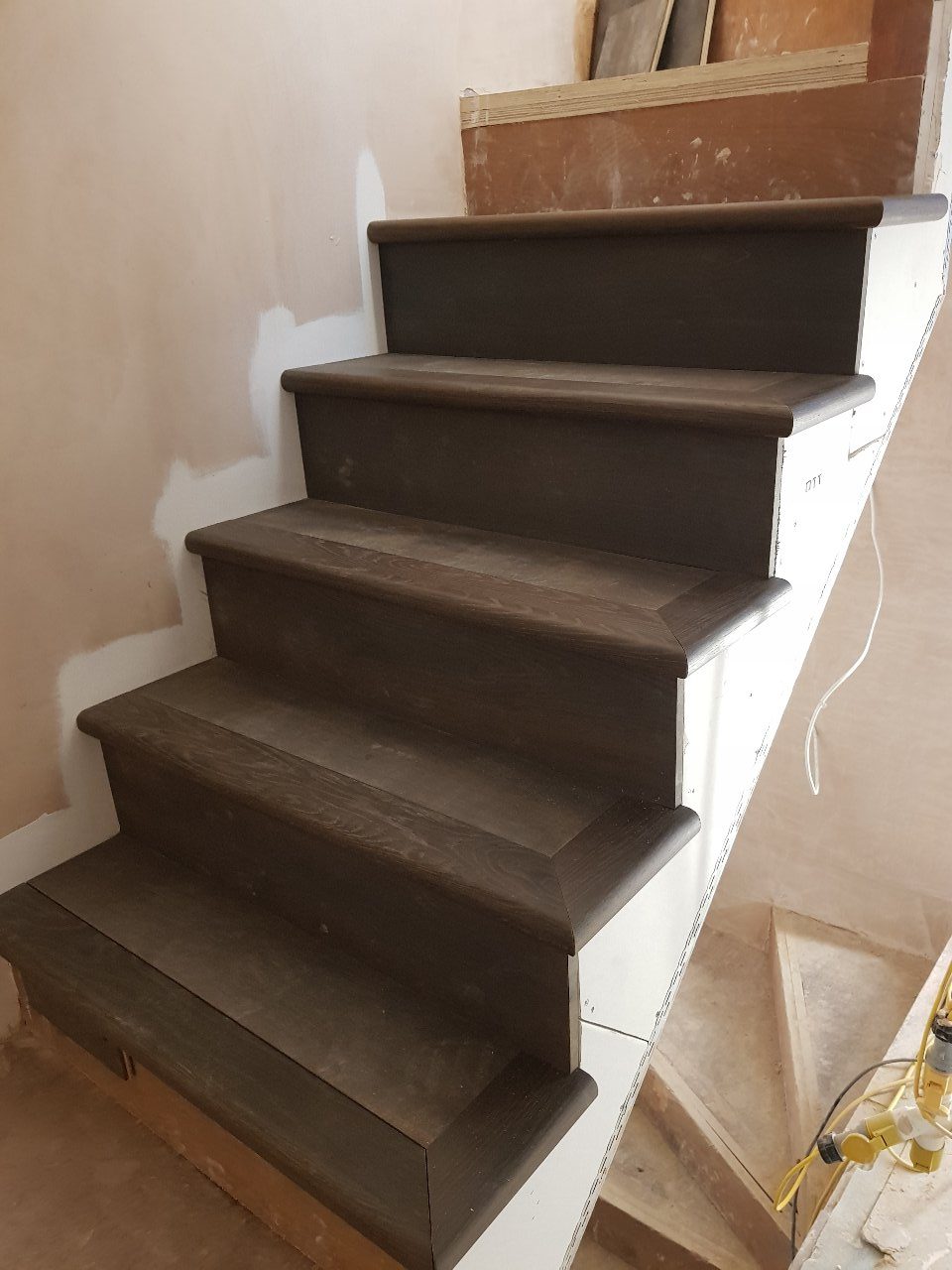
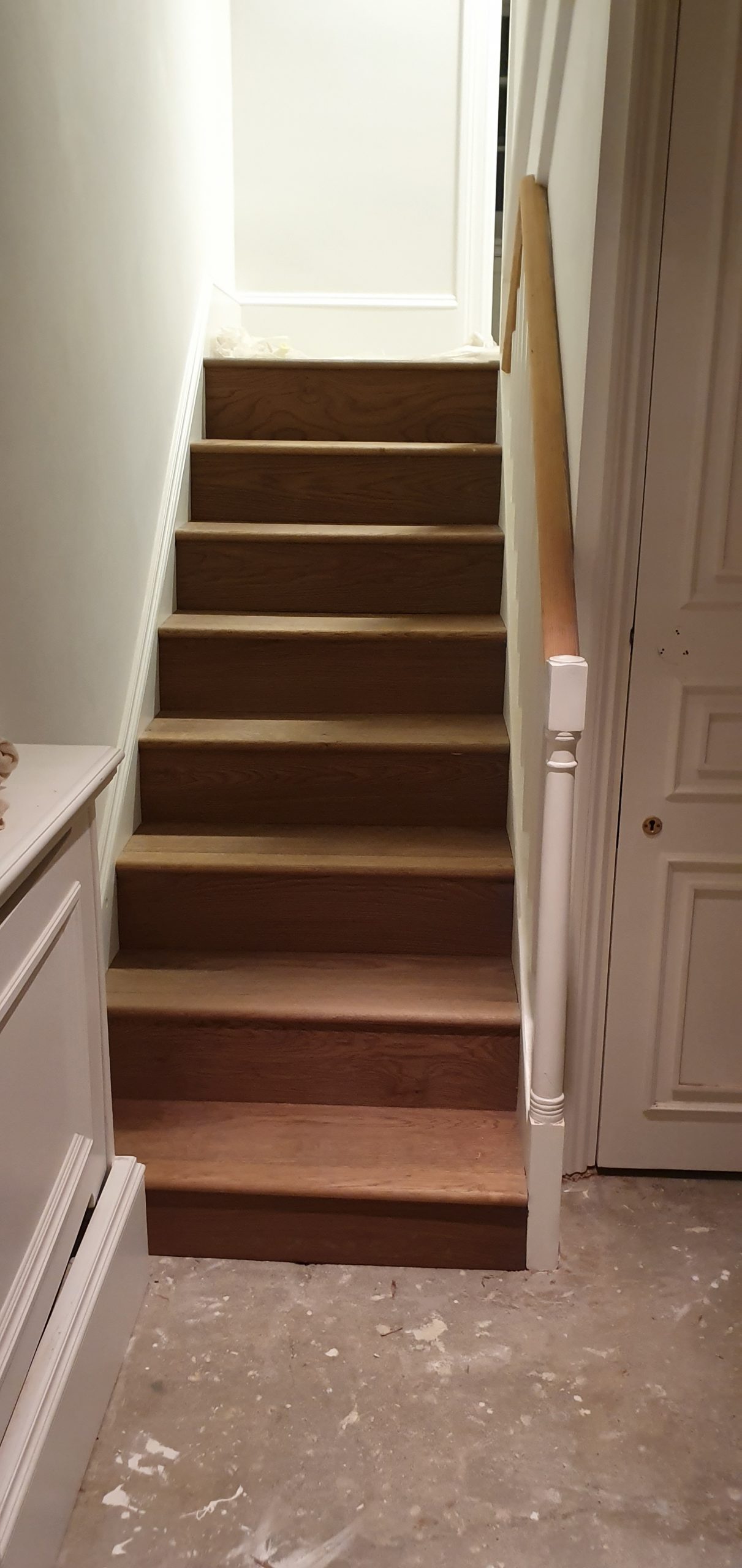
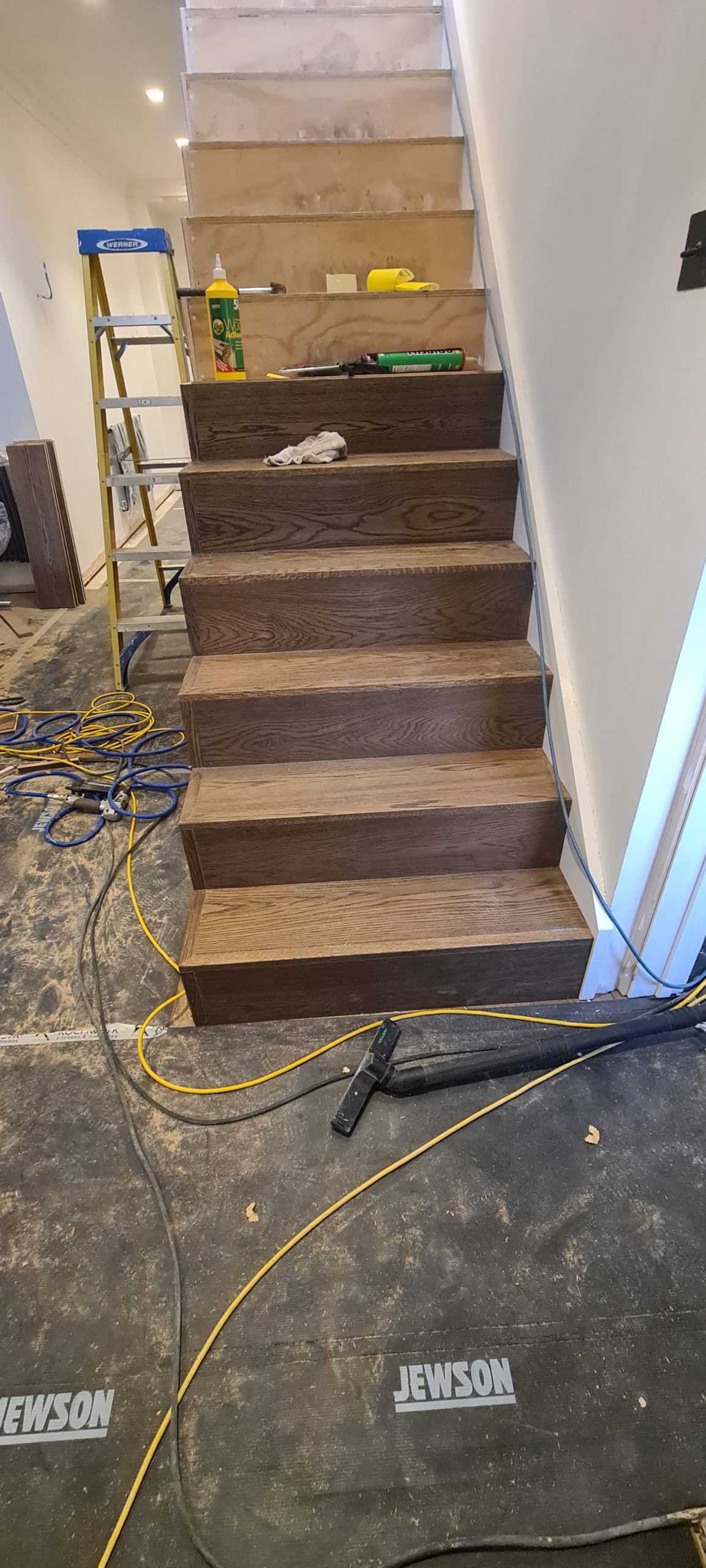
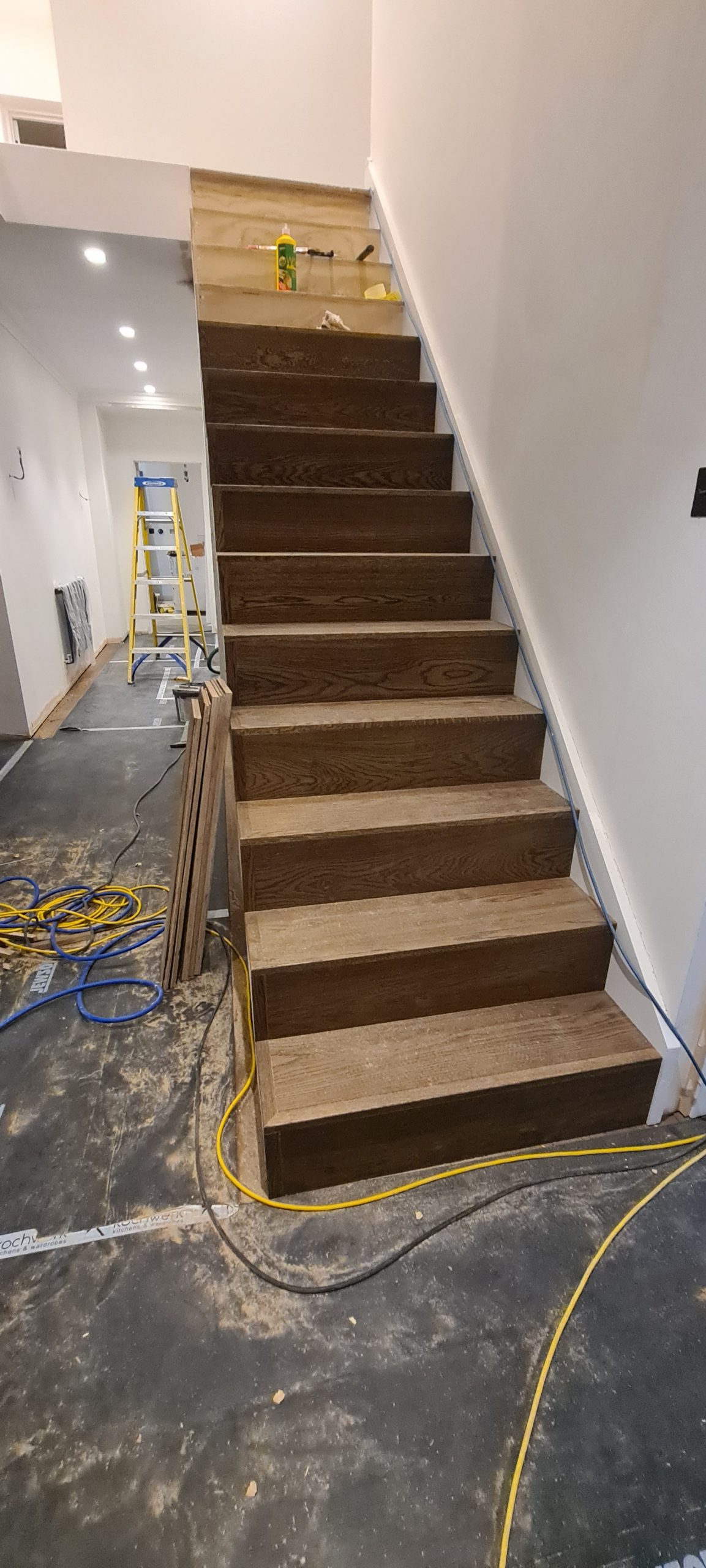
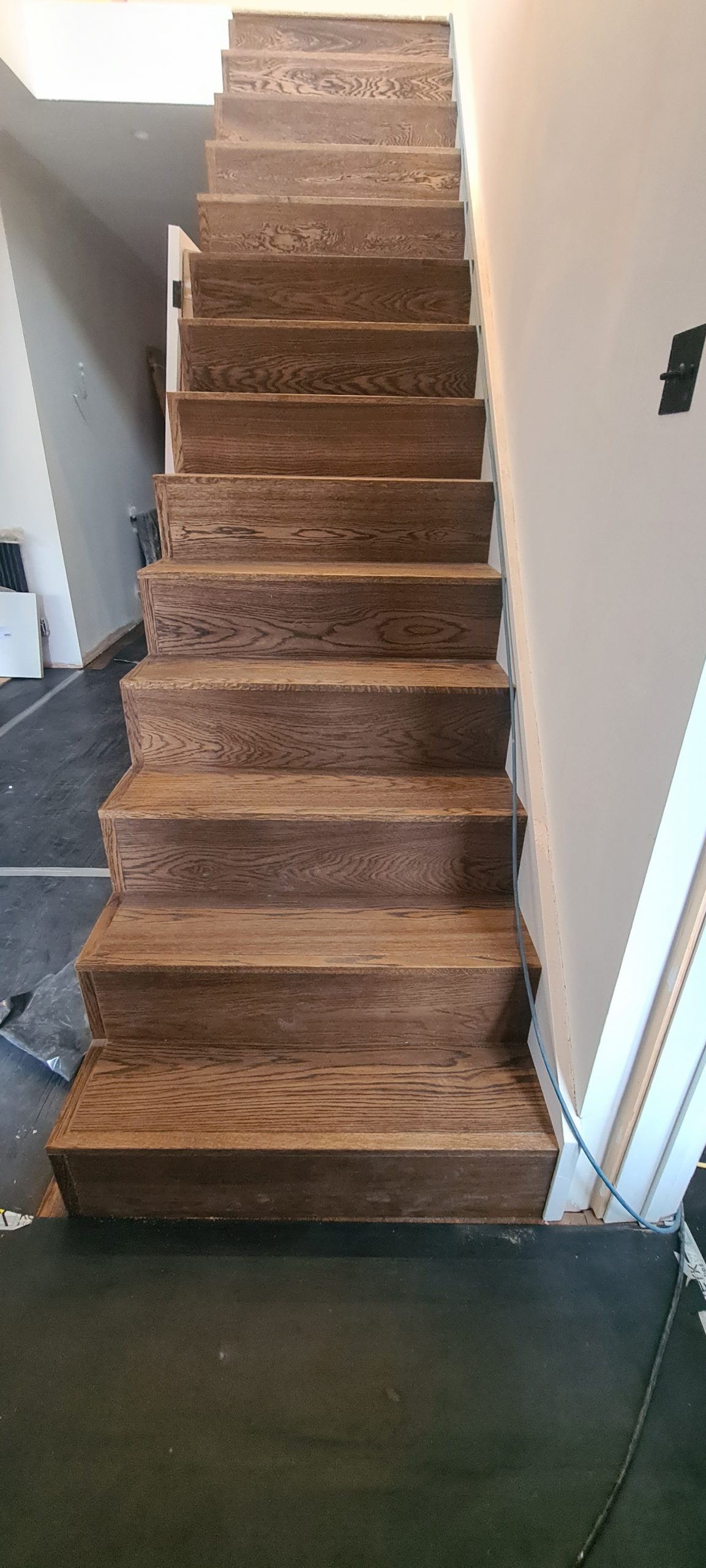
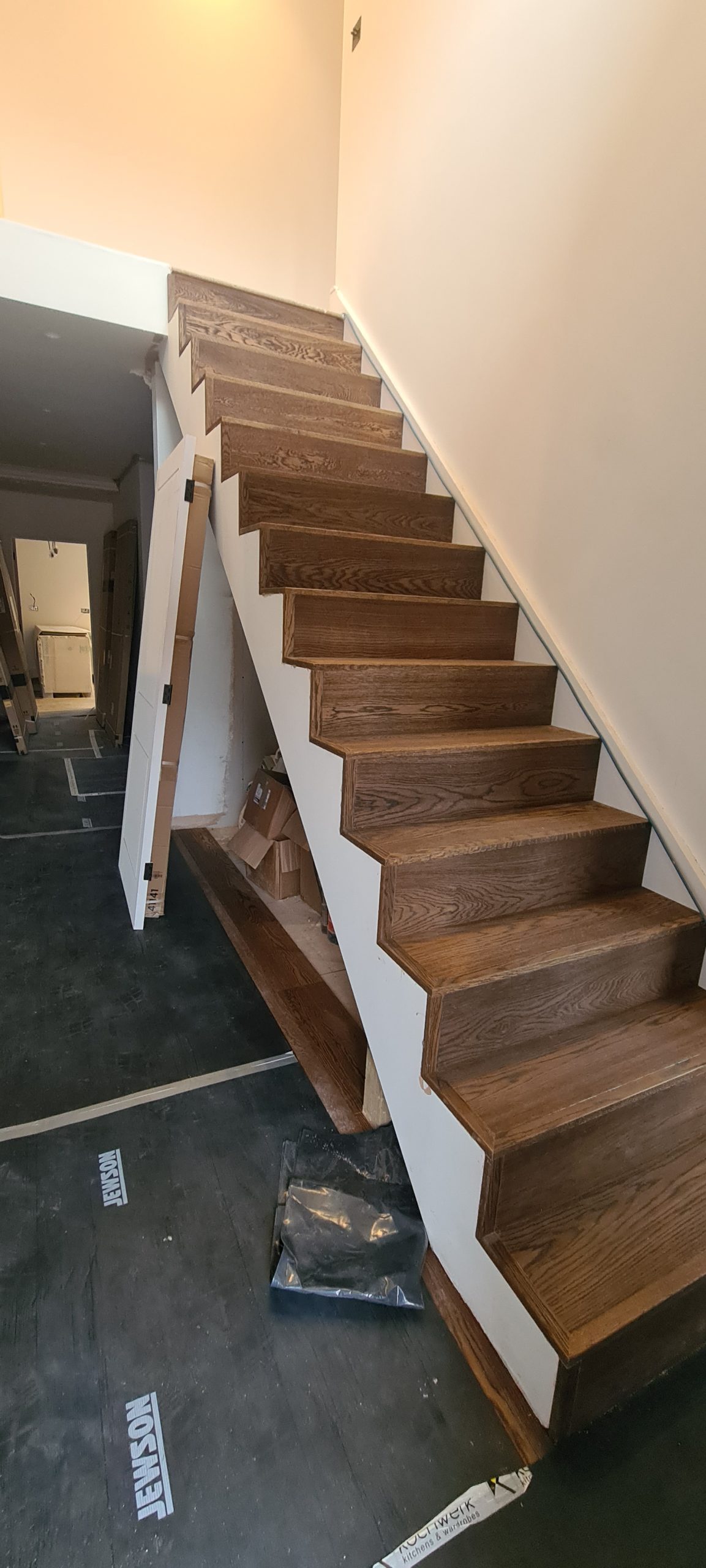
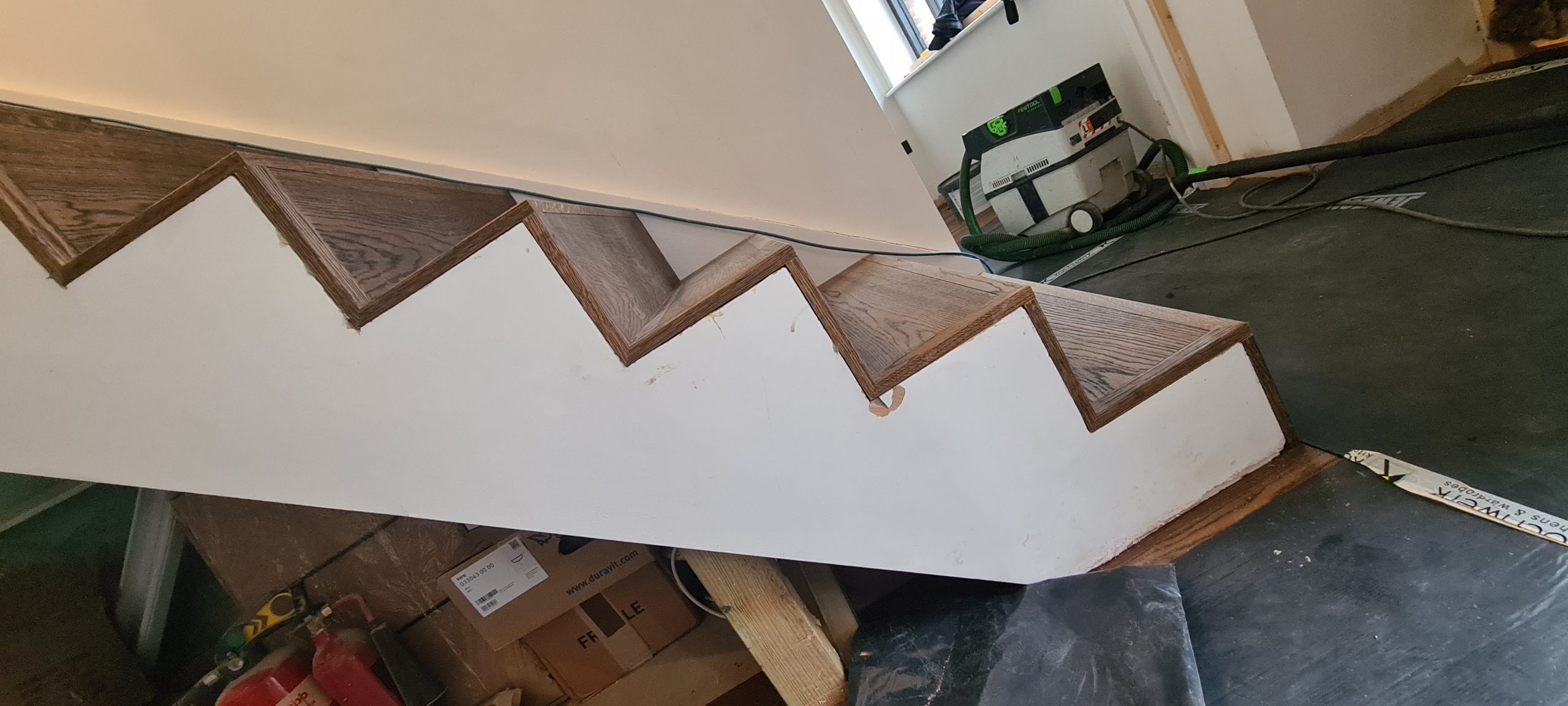
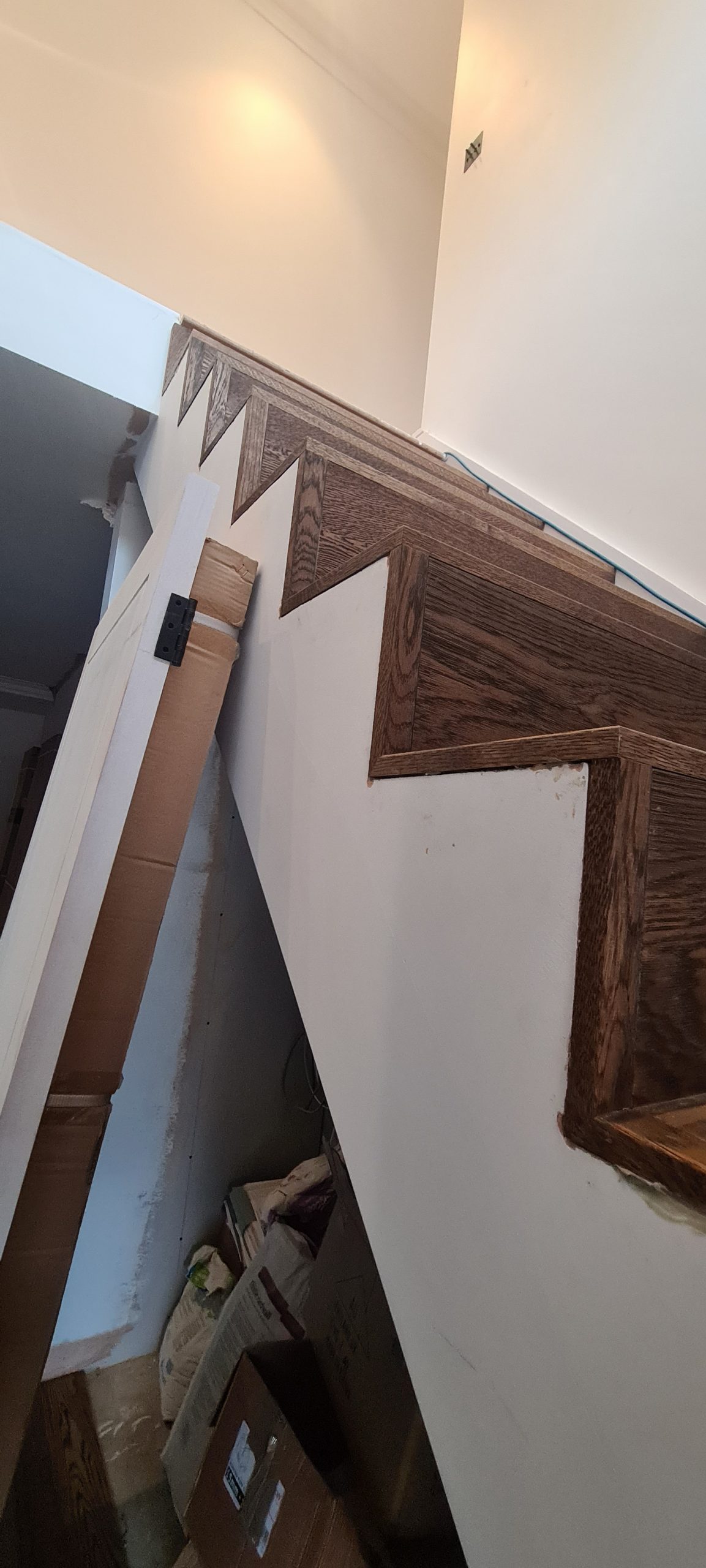
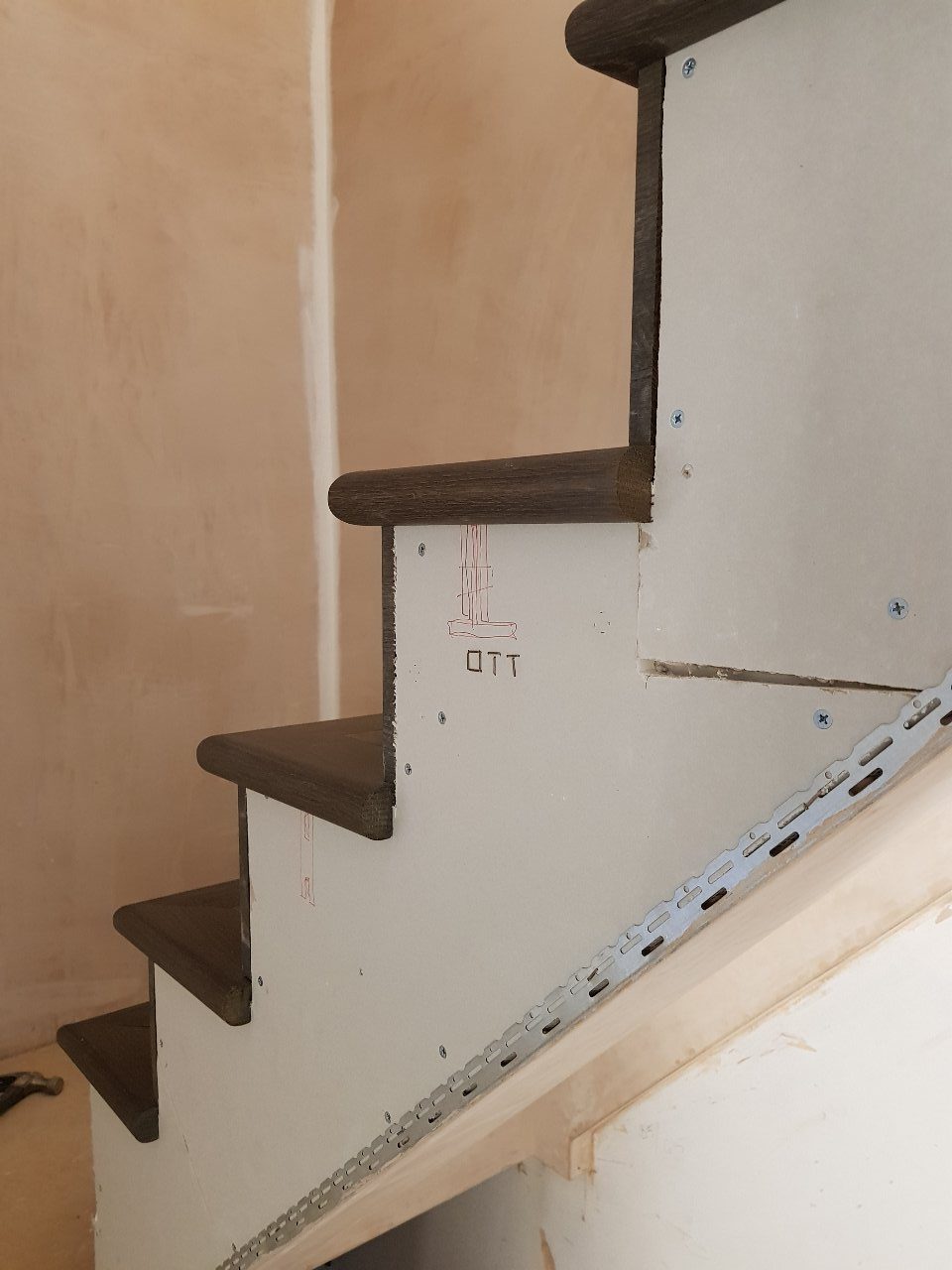
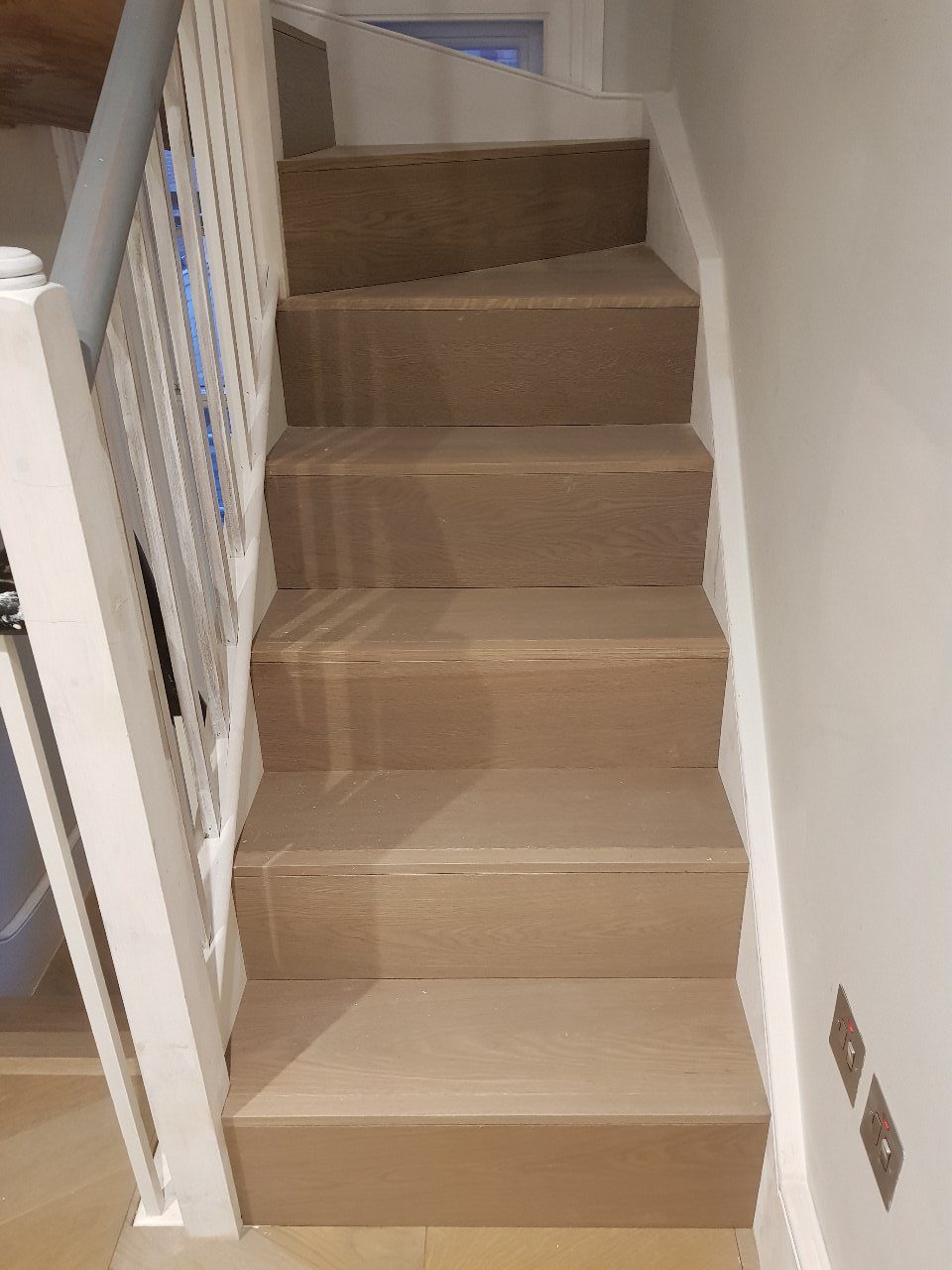
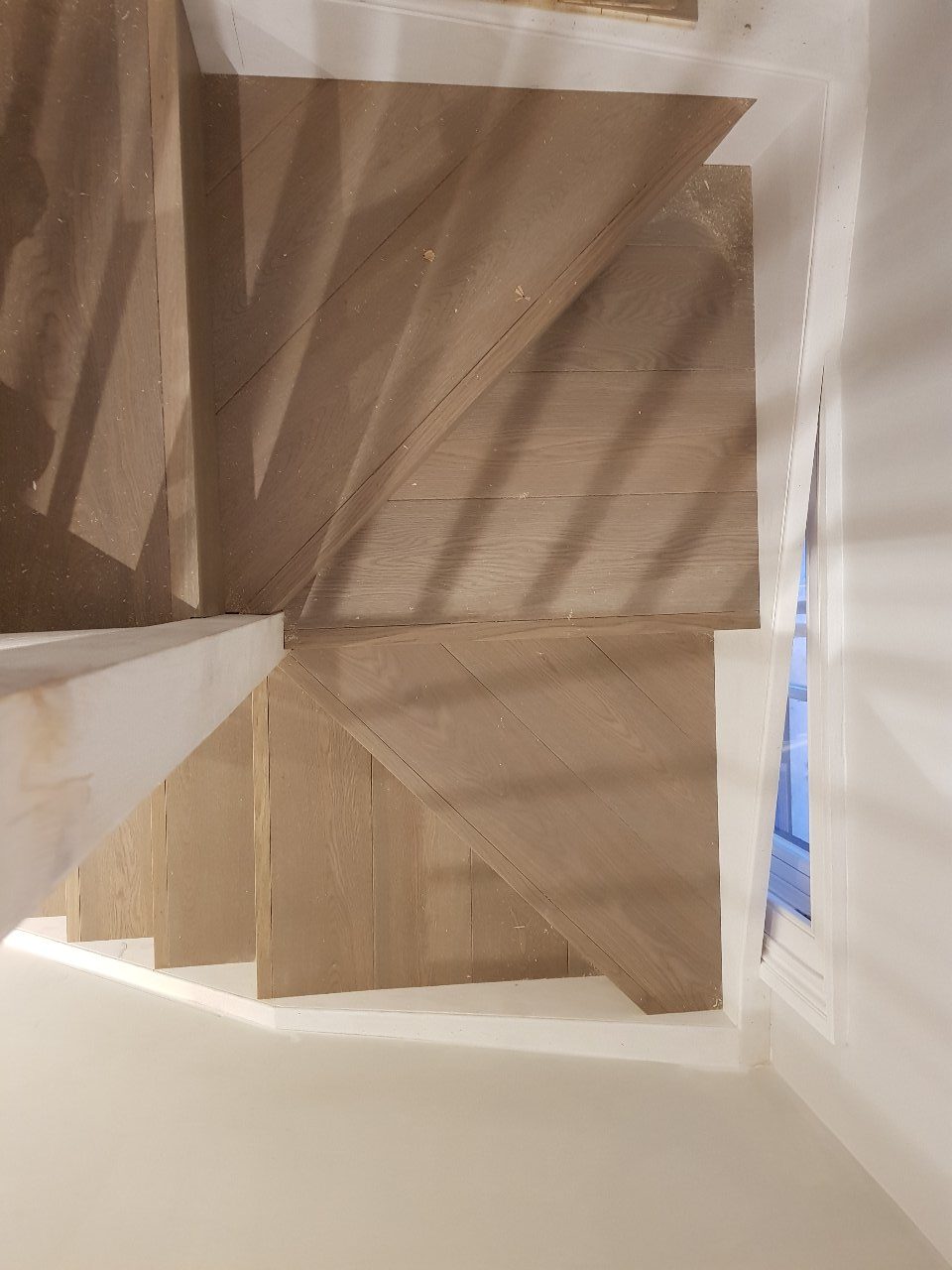
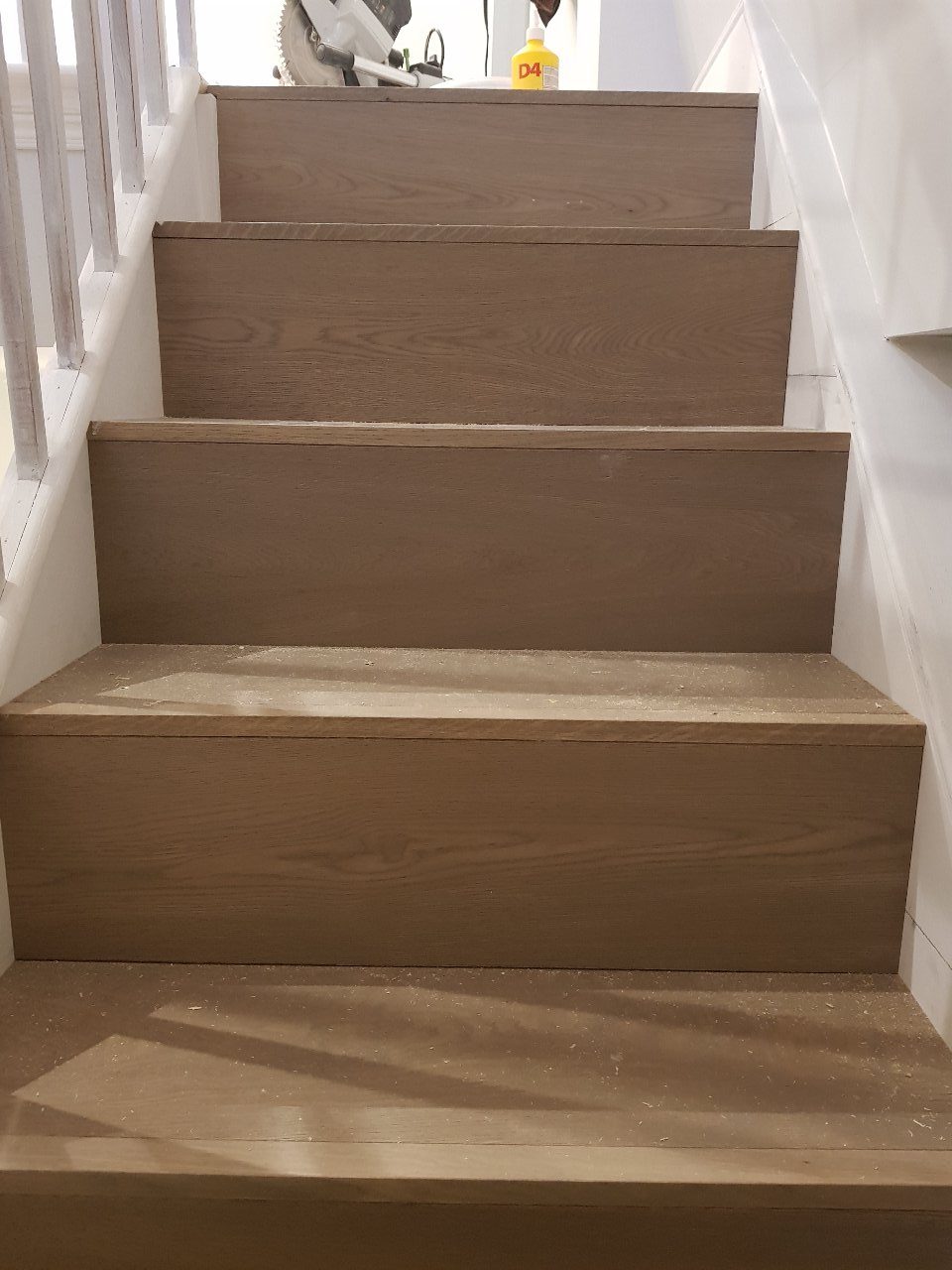
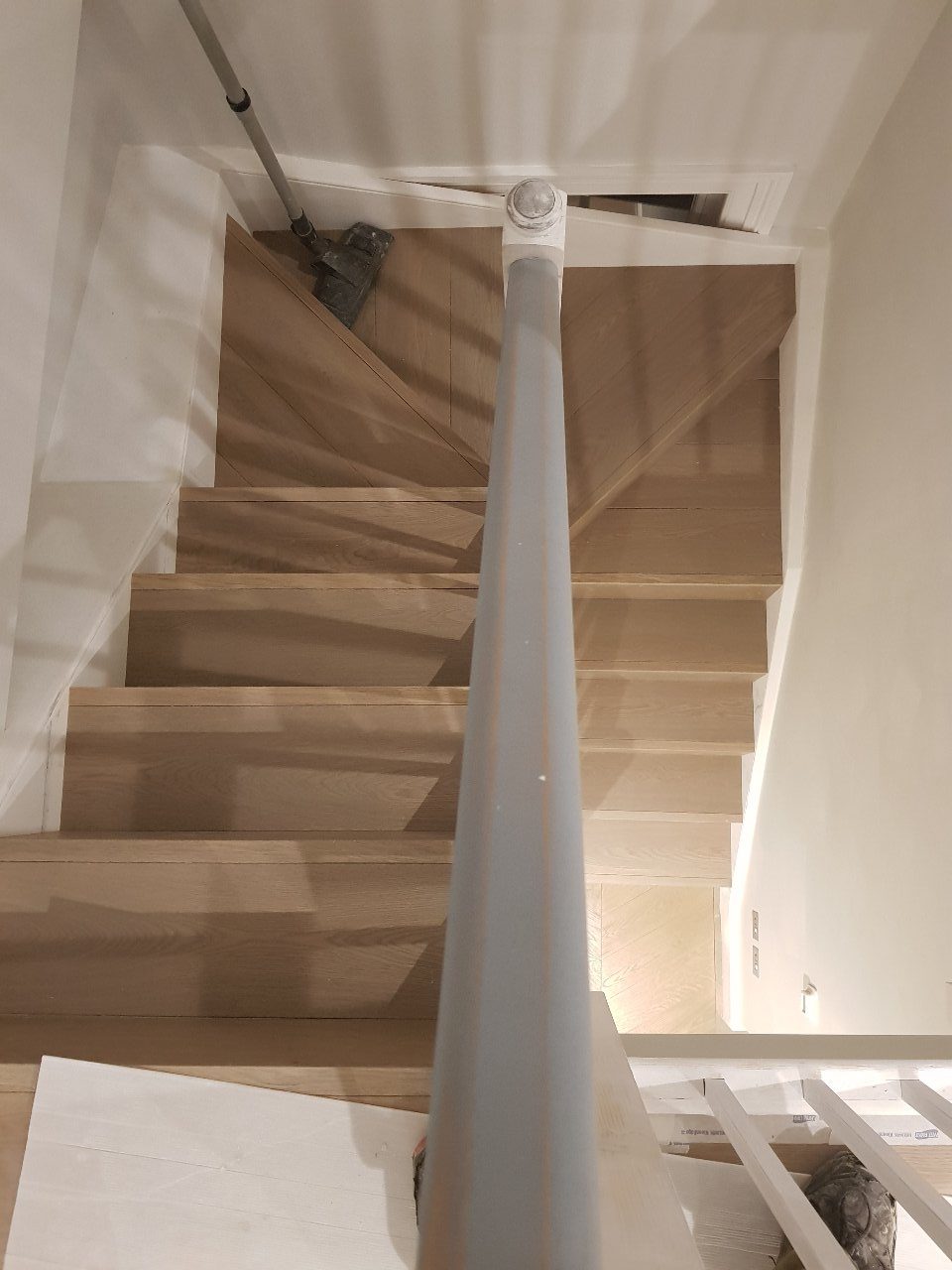
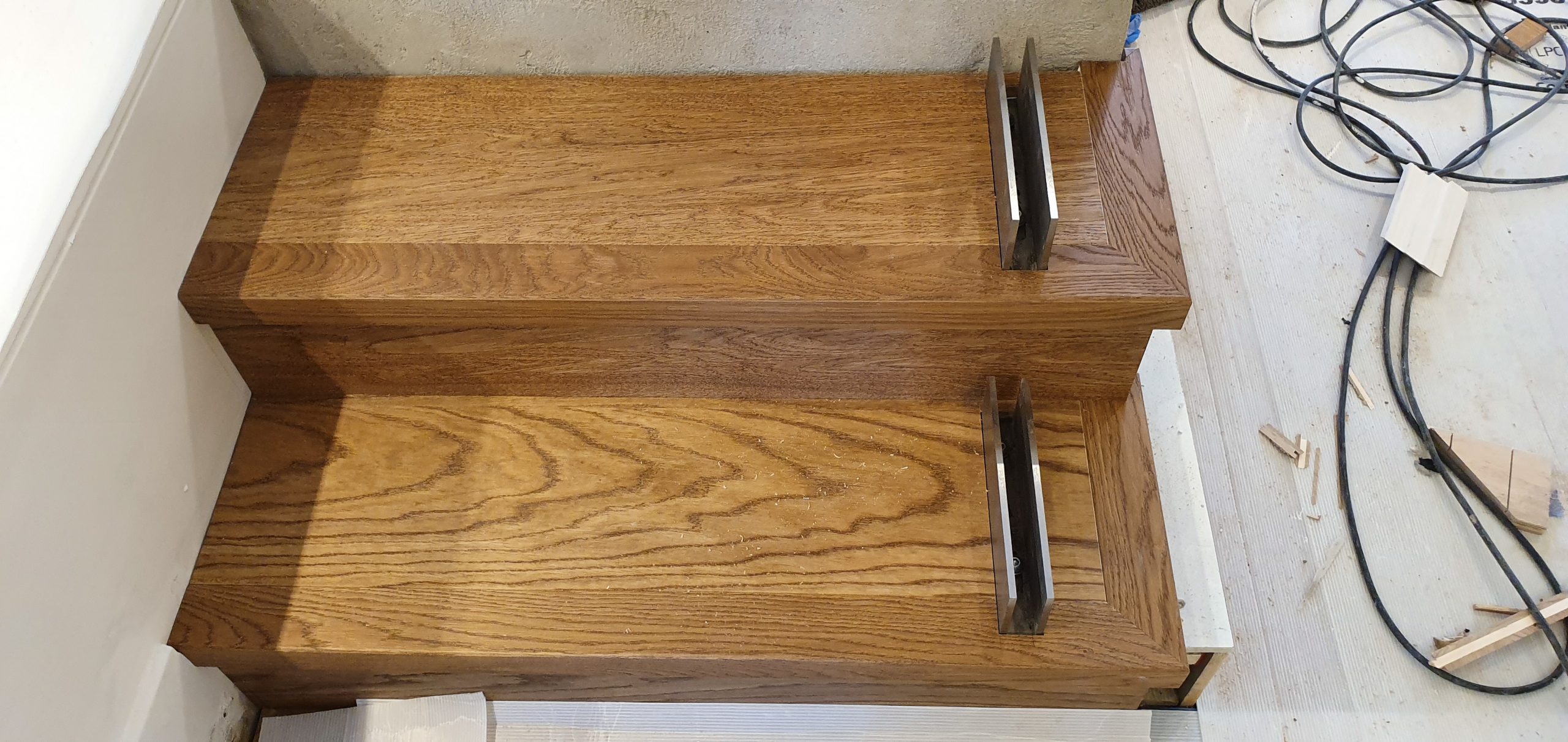
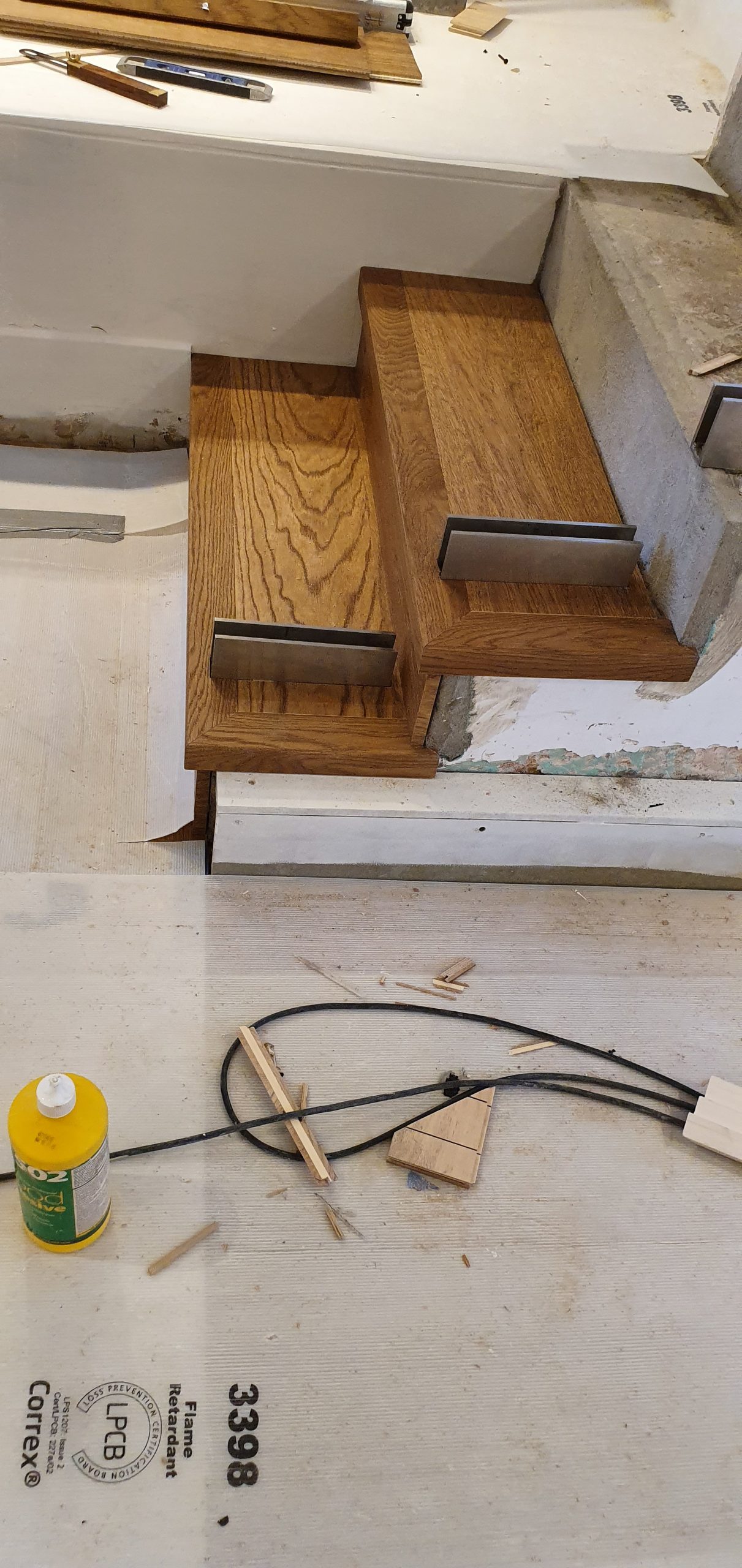
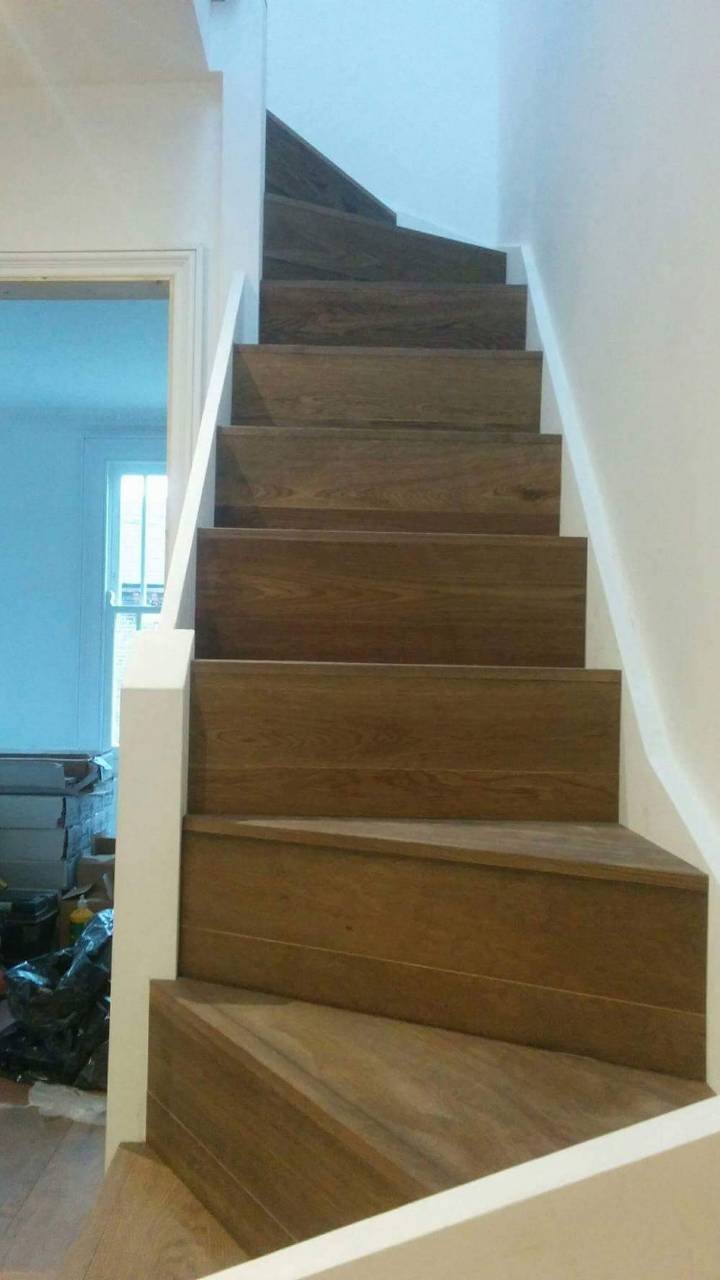
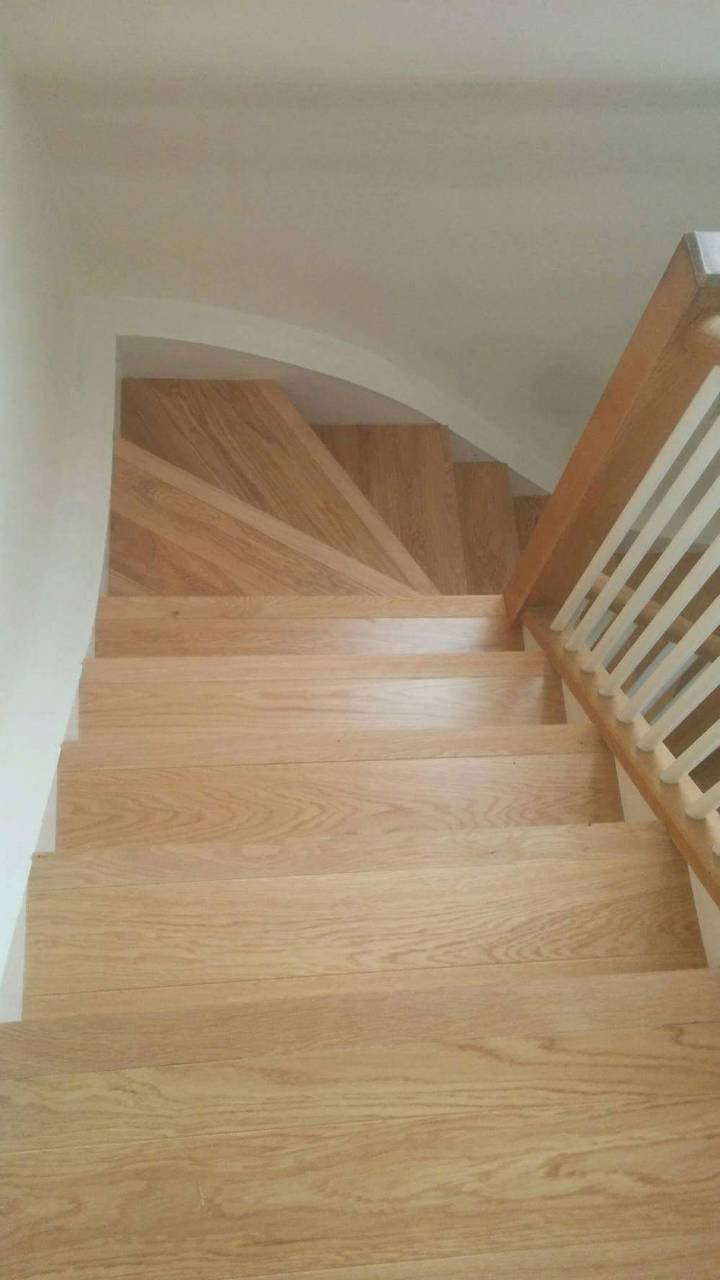
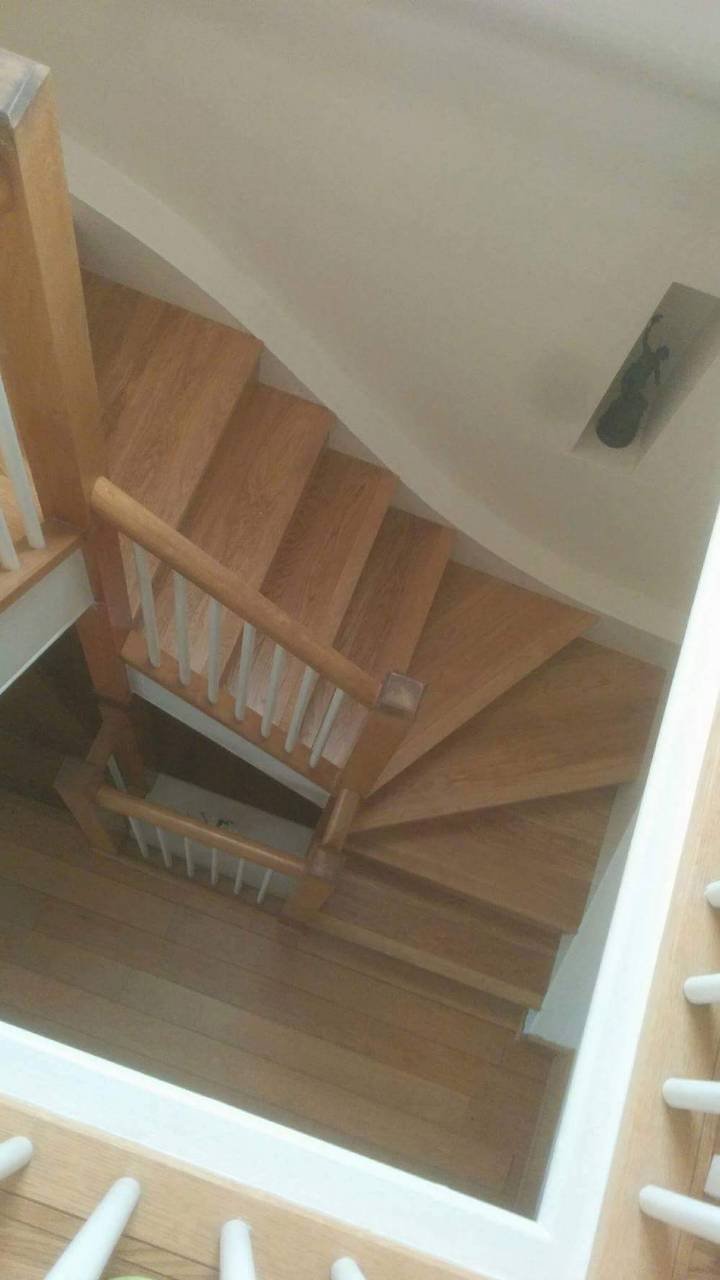
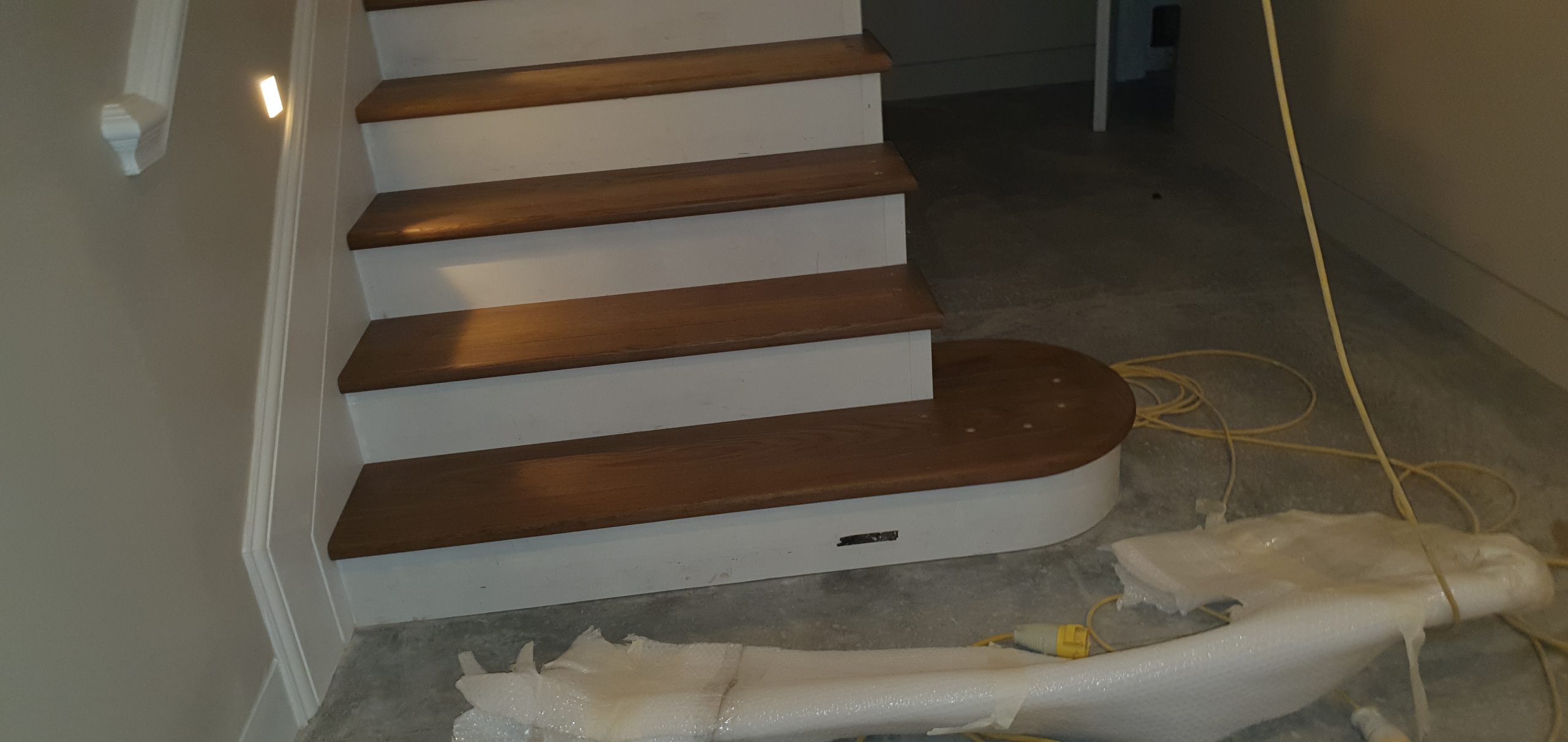
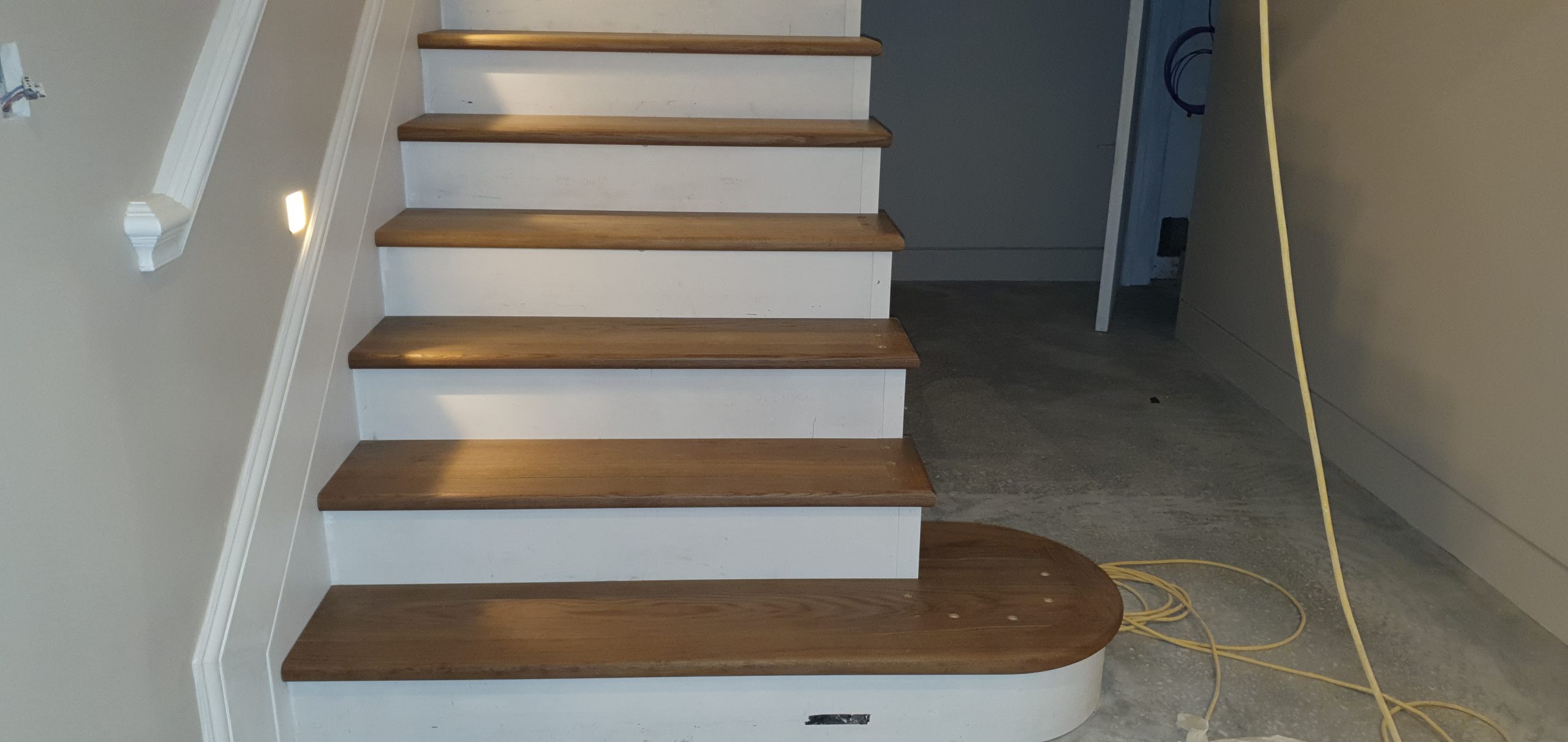
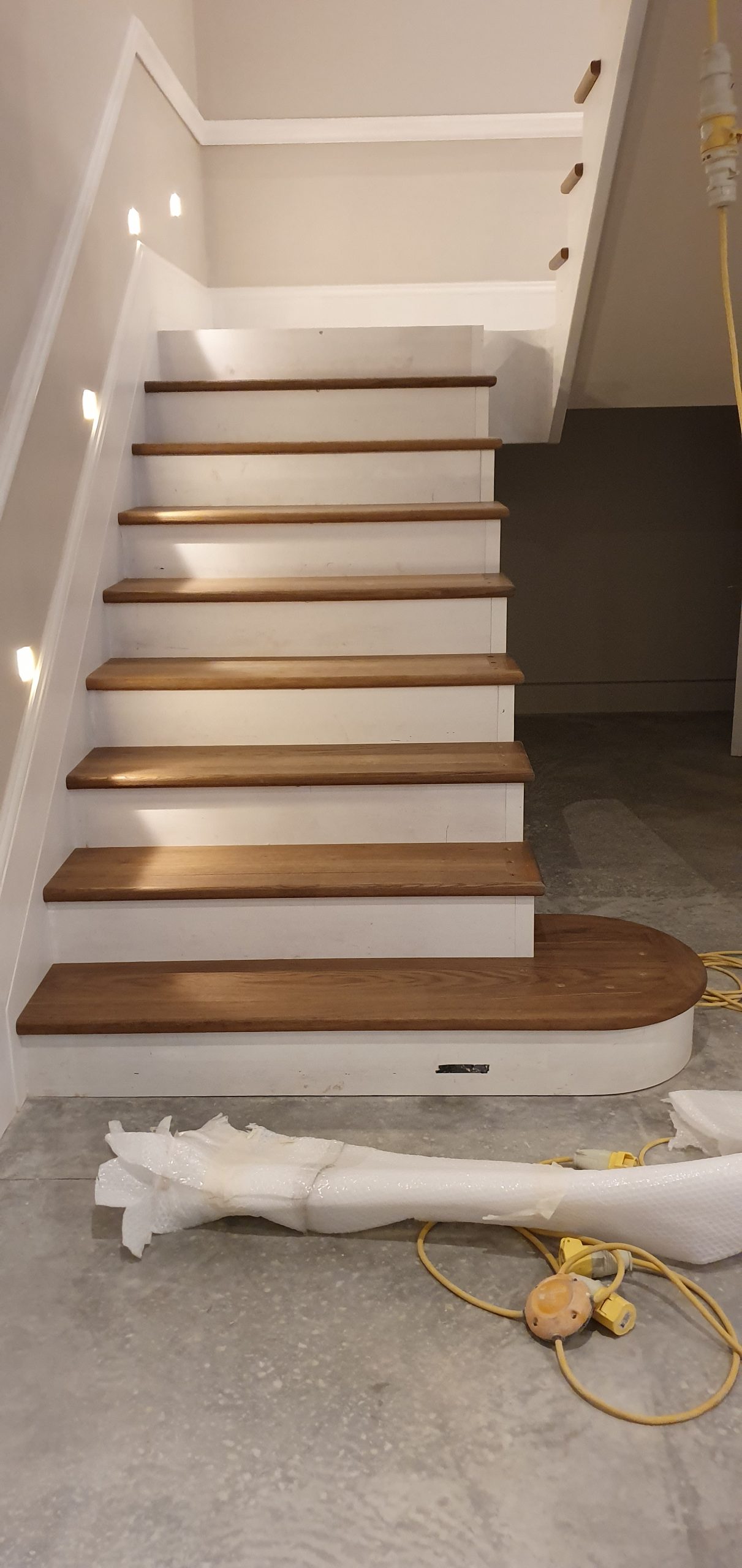
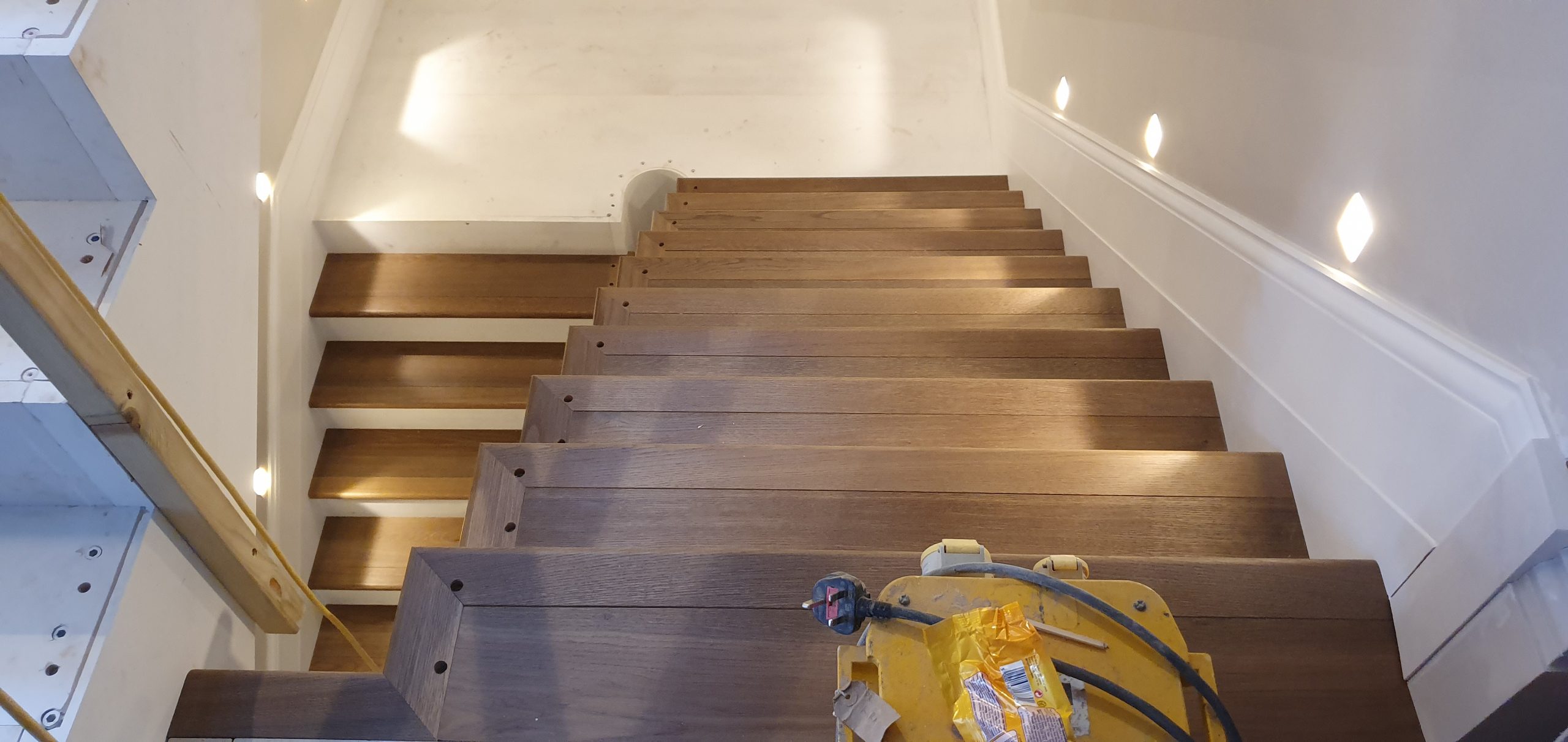
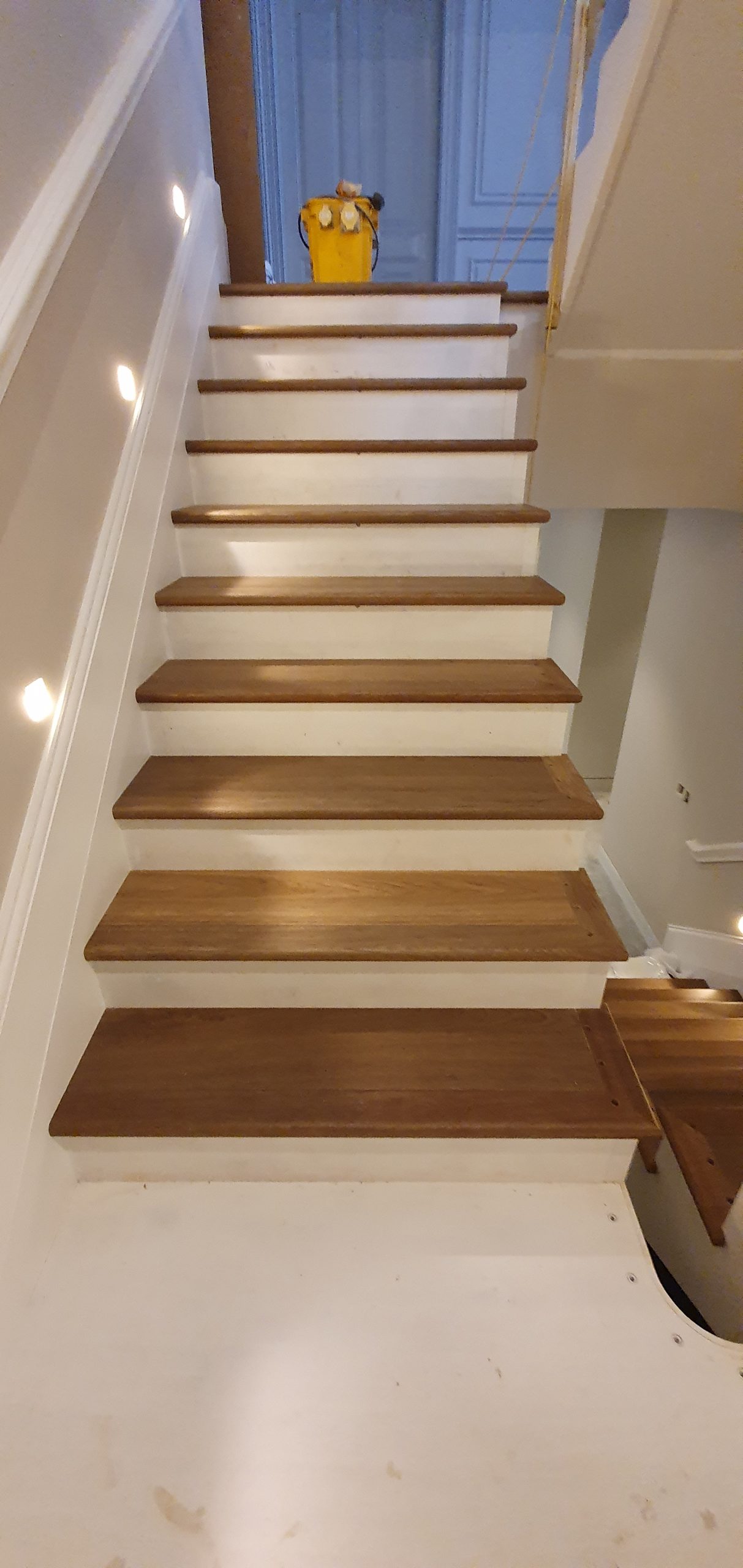
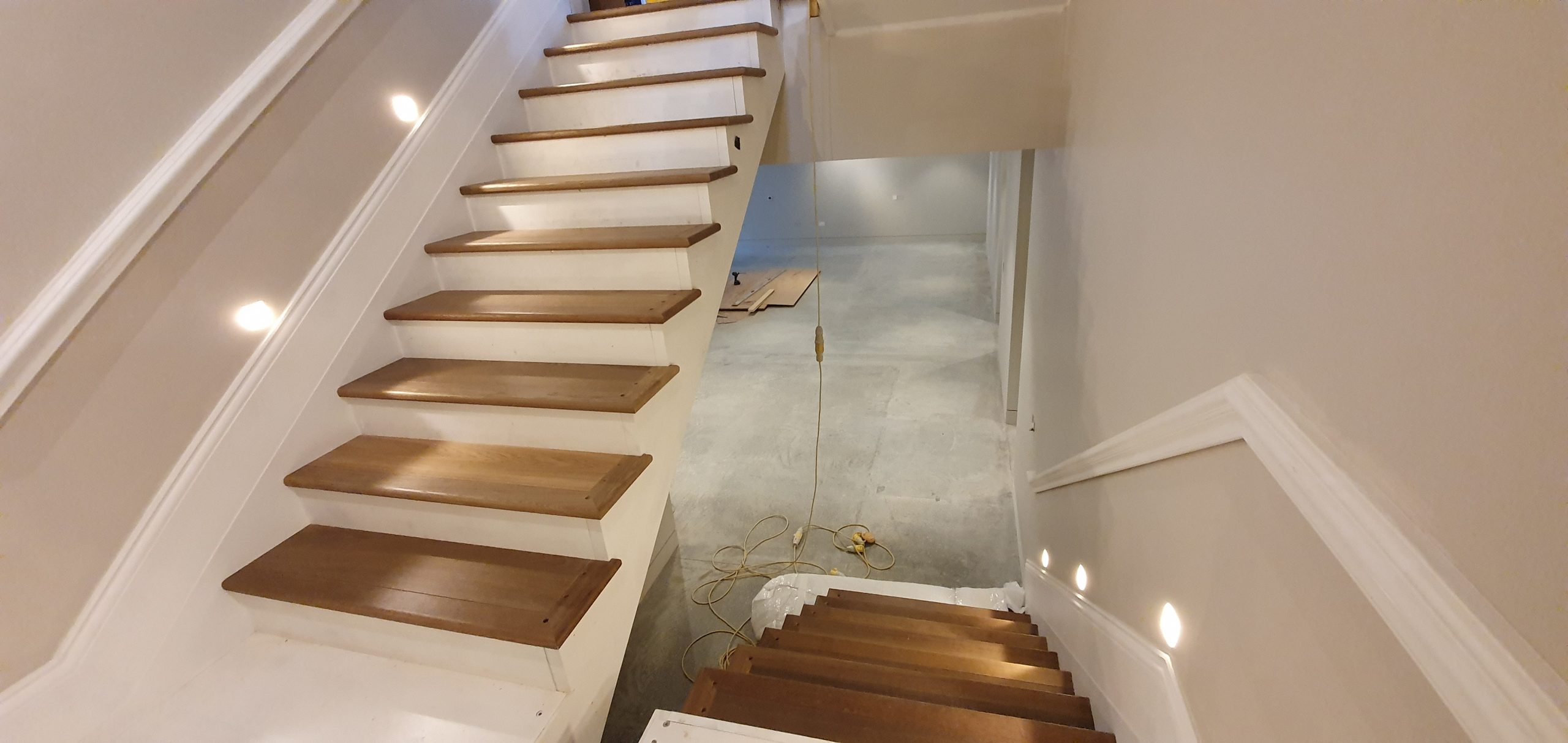
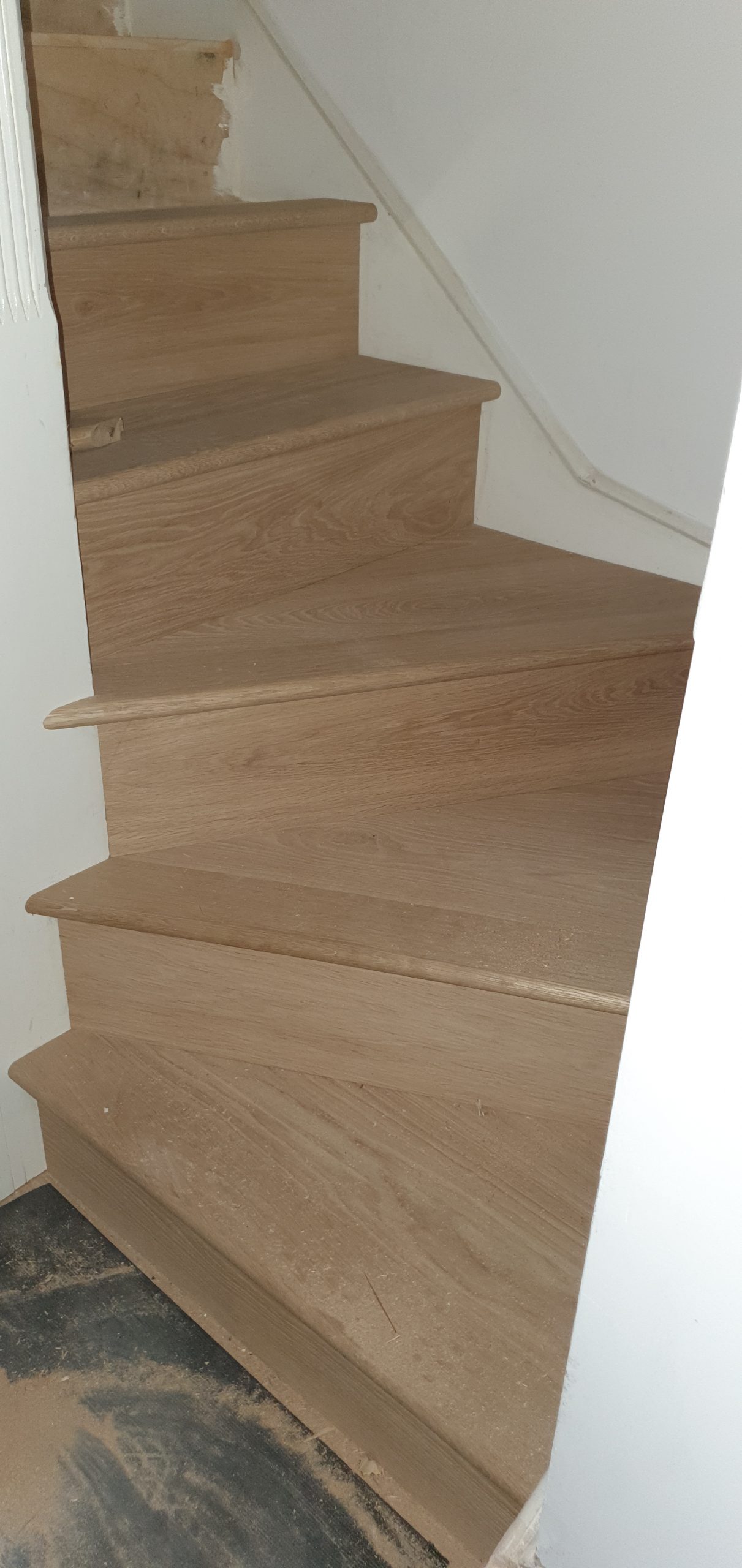
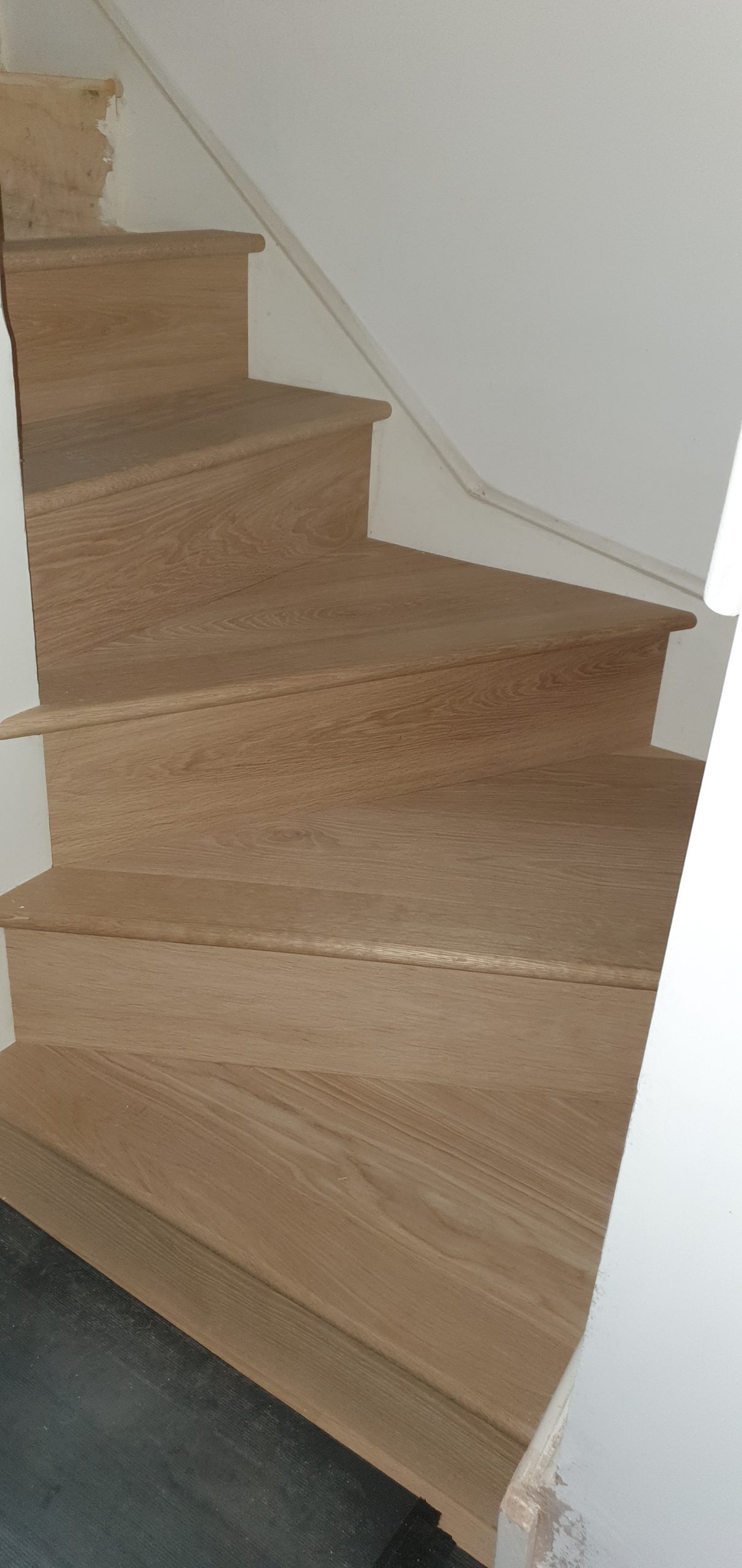
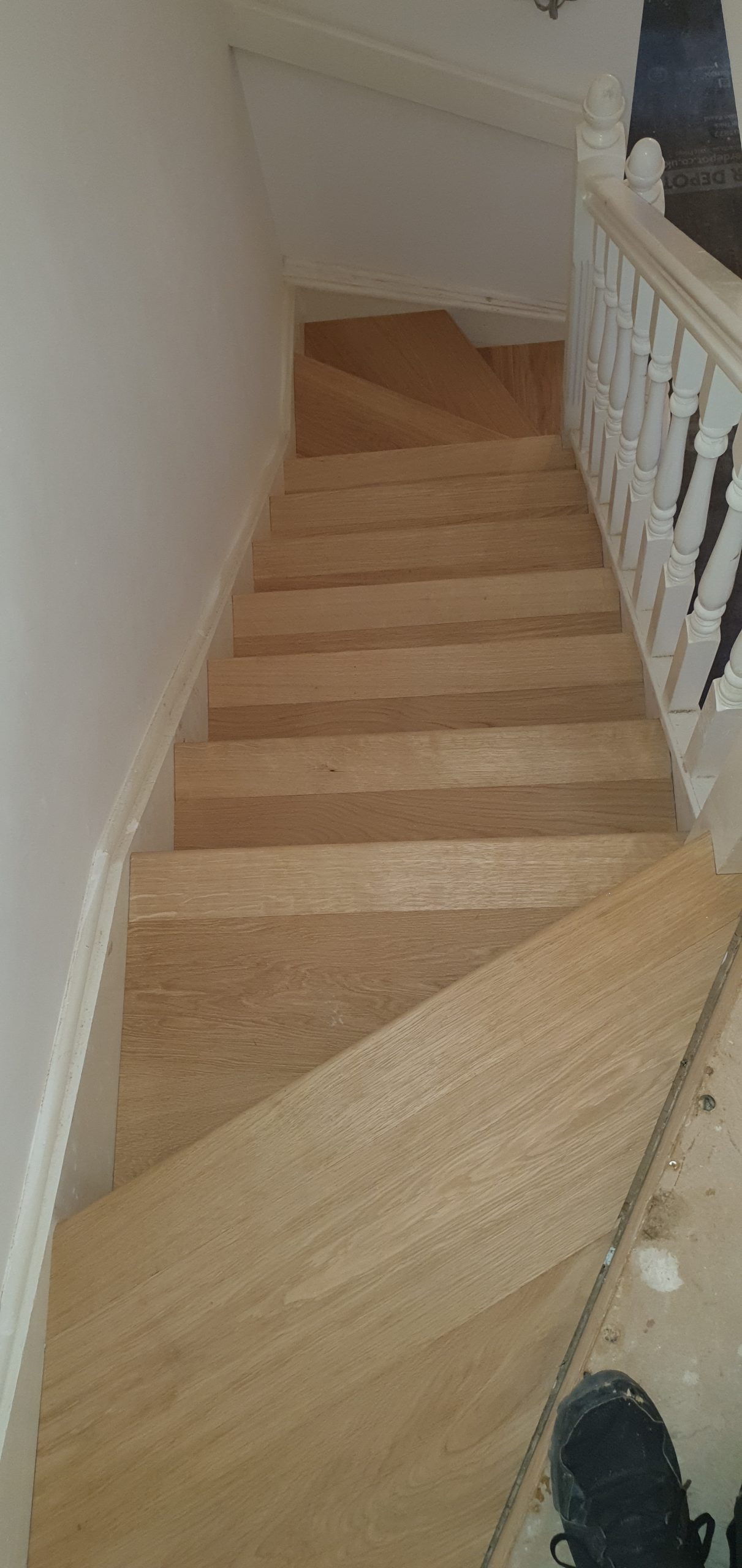
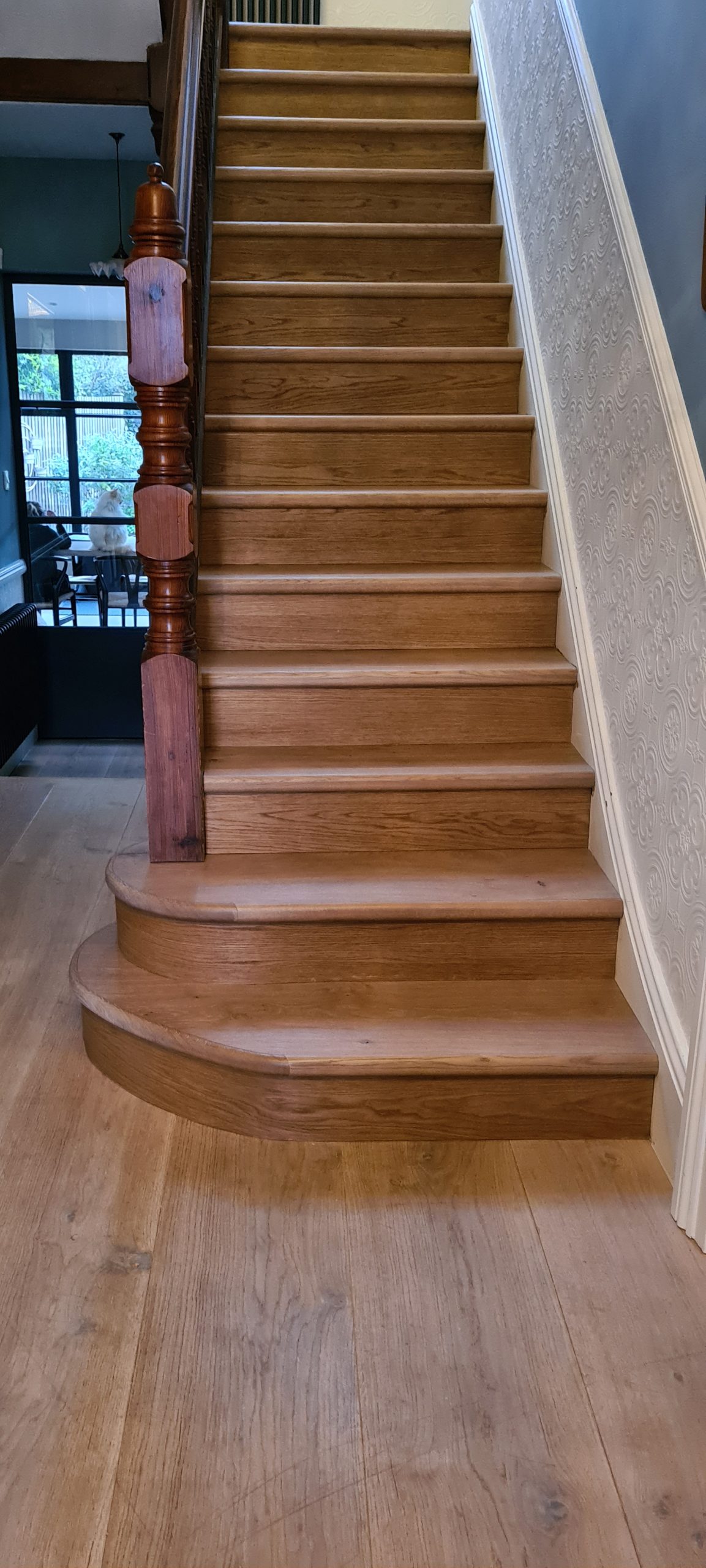
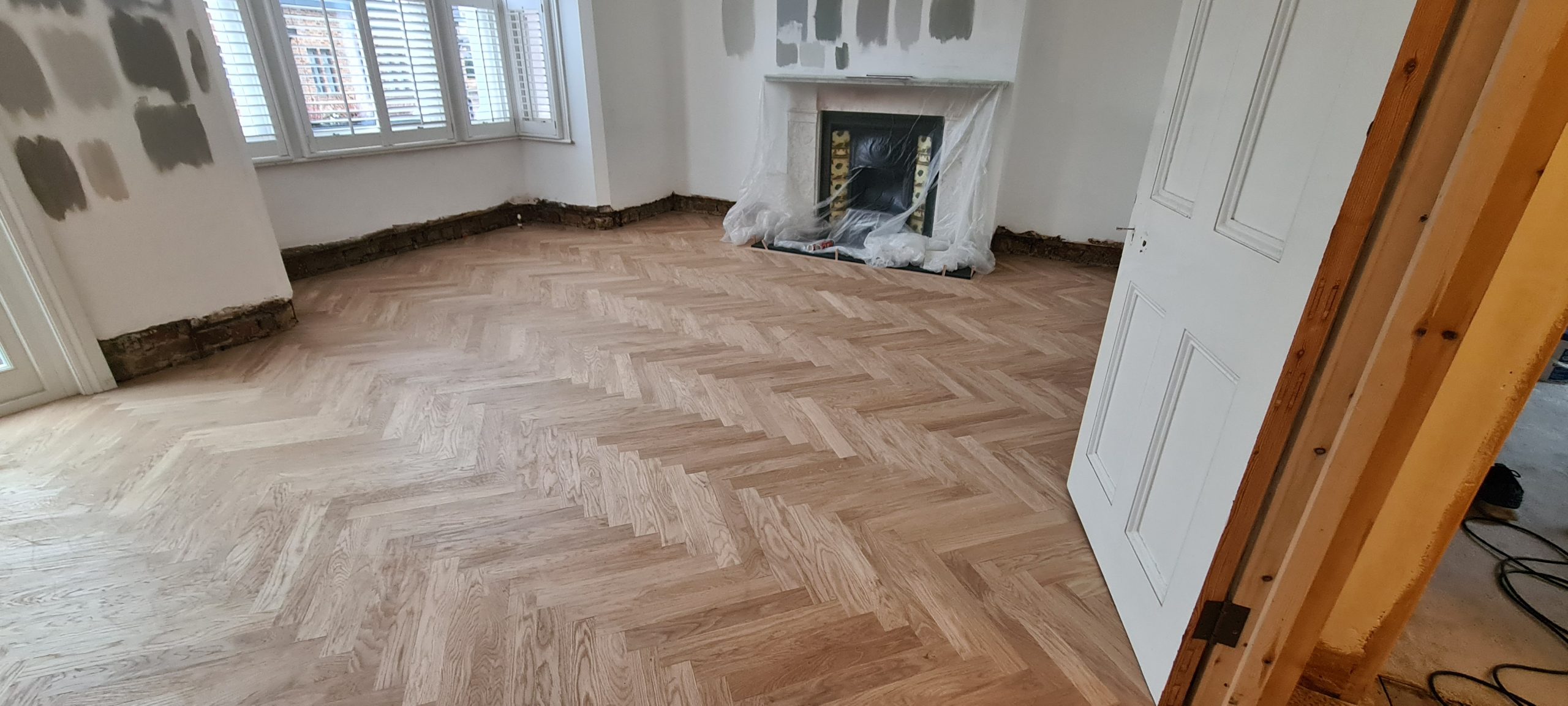
Wood stairs are not only a functional necessity in multi-level homes but also a significant design element that adds warmth, character, and value to a space. The choice of wood as a material for stairs is favored for its natural beauty, durability, and versatility in design. Wood stairs can be crafted to suit a wide range of interior styles, from traditional to modern, making them a popular choice among homeowners and designers. This section aims to introduce the basics of wood stairs, highlighting their importance in home design, the advantages they offer, and the variety available in terms of wood types, styles, and finishes. By understanding the essentials of wood stairs, homeowners can make informed decisions that align with their aesthetic preferences and functional needs.
Wooden stairs are mostly used in house construction.
A wooden stair is cheap and don’t have very much weight. Most of the wooden stair is made of deal.
Stairs of deal are very often faced with carped.
Stairs
Stairs
Stairs
Stairs
Stairs
Stairs
Stairs
Stairs
Stairs
Stairs
Stairs
Stairs
Stairs
Stairs
Stairs
Stairs
Stairs
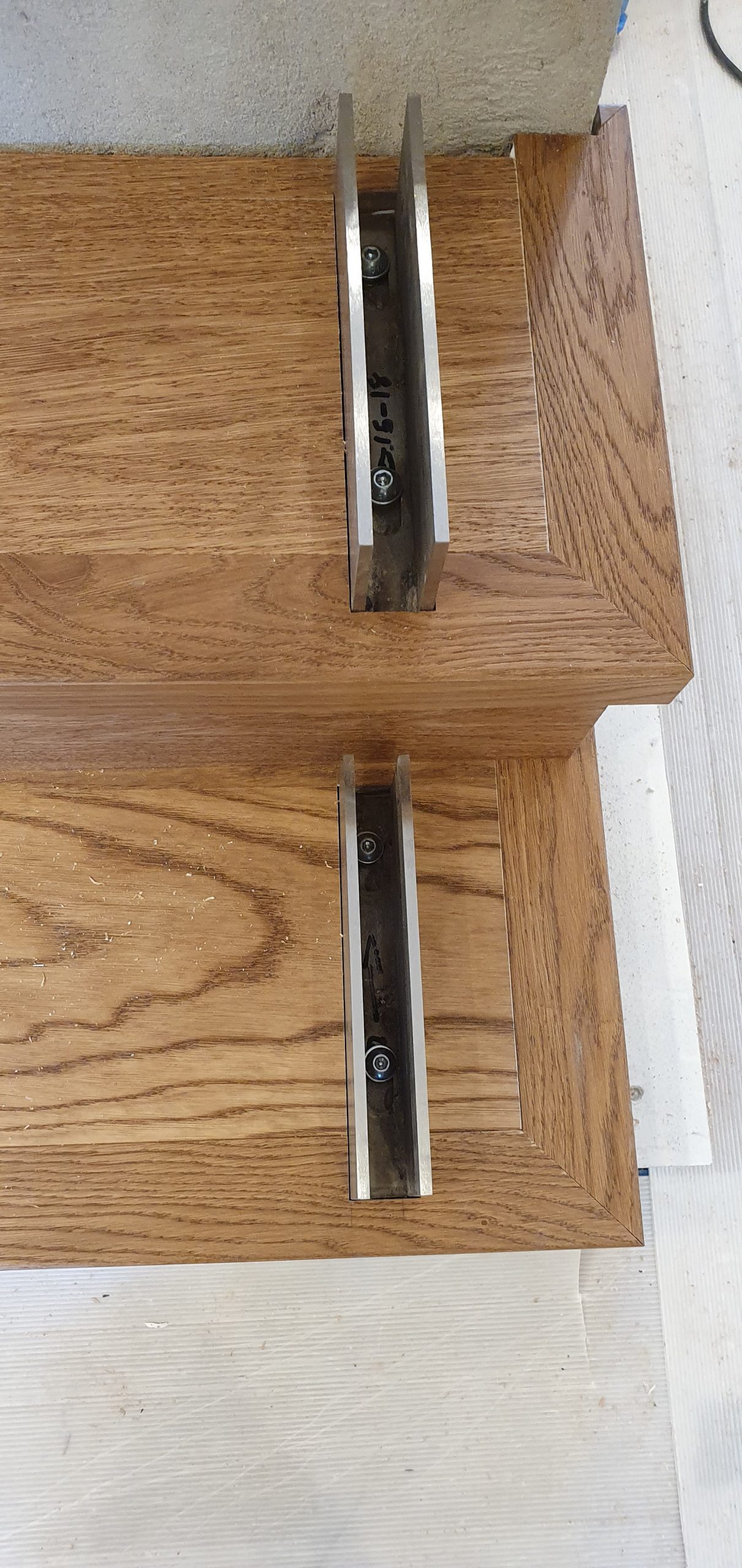
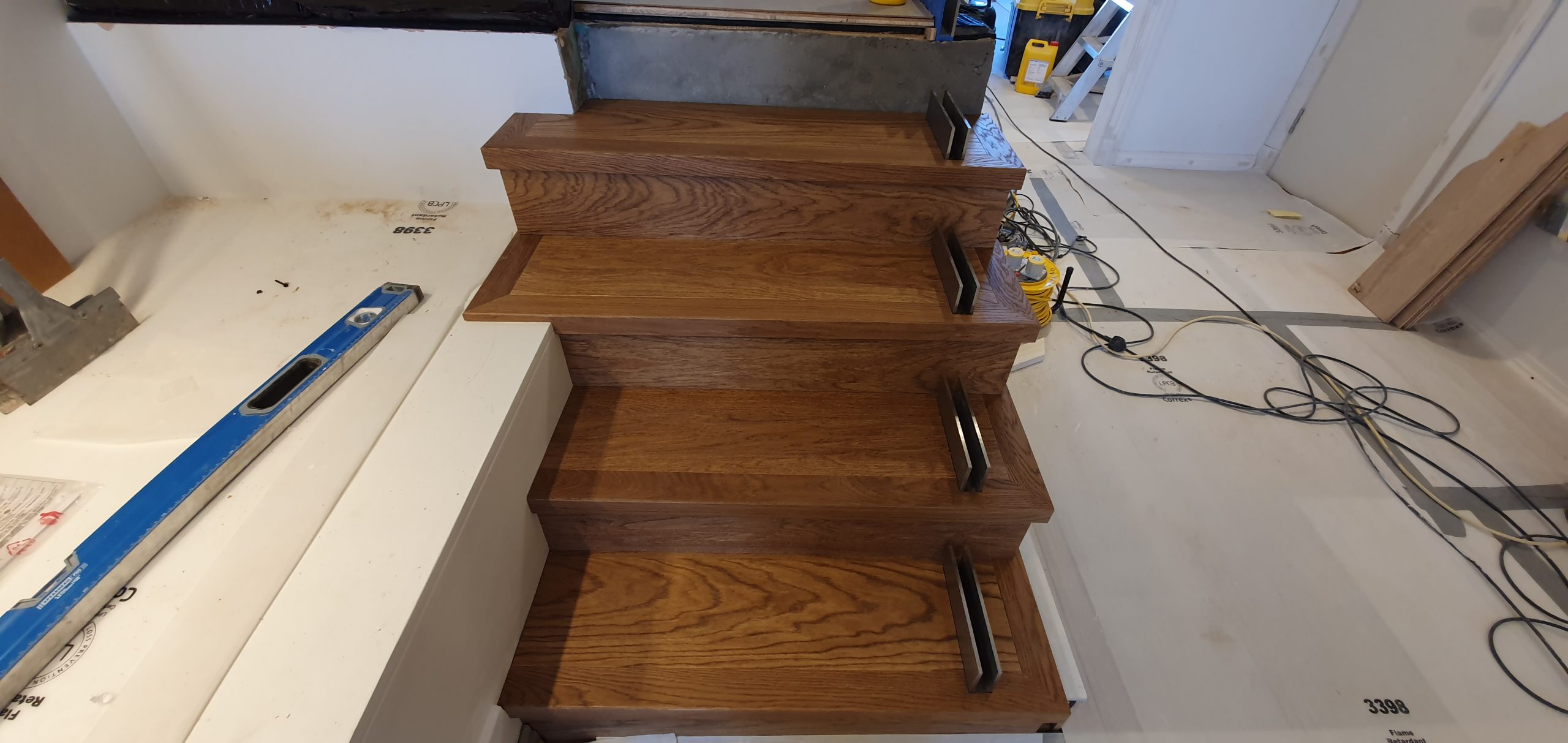
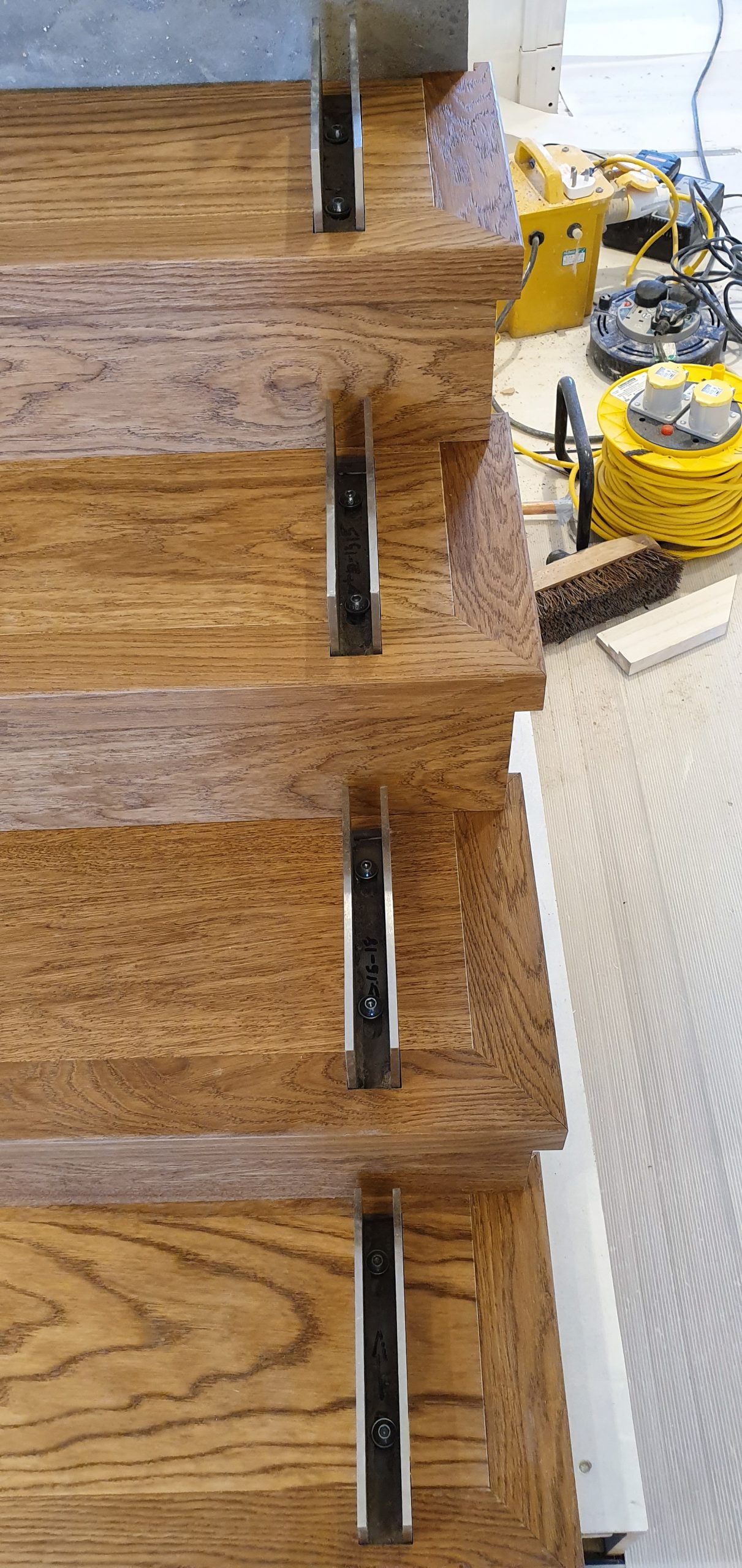
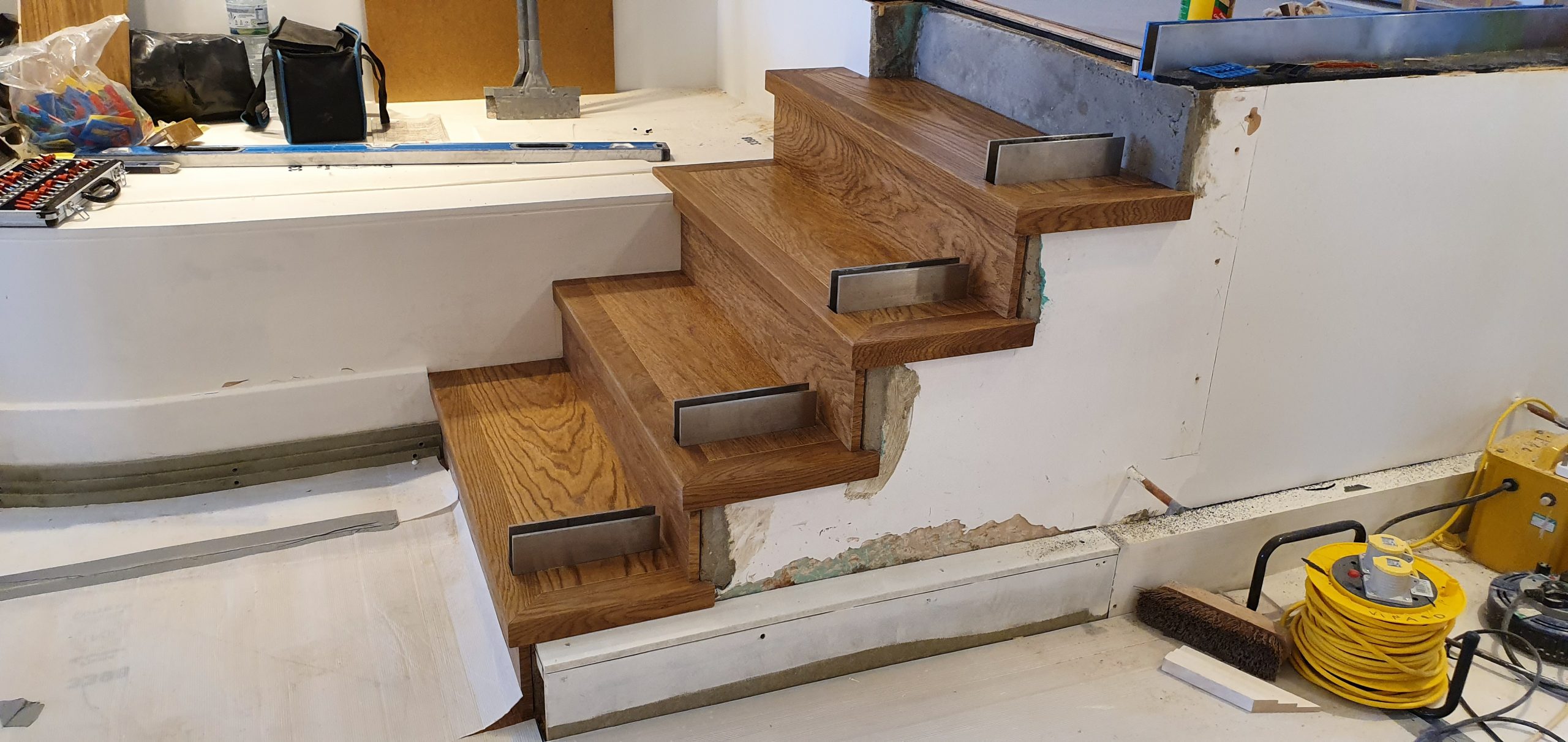
The type of wood selected for stairs significantly impacts their appearance, durability, and maintenance requirements. Hardwoods, such as oak, maple, cherry, and walnut, are preferred for their strength, longevity, and rich colors and grain patterns. Oak, particularly, is highly regarded for stair construction due to its hardness and resistance to wear, making it ideal for high-traffic areas. Softwoods like pine and cedar offer a more cost-effective option and are easier to work with, but they may not withstand heavy use as well as hardwoods.
Exotic woods, such as mahogany and teak, provide unique color variations and patterns for a distinctive look but come at a higher price point.
The choice of wood should consider both the desired aesthetic outcome and the stairs’ intended use to ensure they remain beautiful and functional over time.
Stairs
Stairs
Stairs
Stairs
Stairs
Stairs
Stairs
Stairs
Stairs
Stairs
Stairs
Stairs
Stairs
Stairs
Stairs
Stairs
Stairs
Stairs
Stairs
Stairs
Stairs
Stairs
Stairs
Stairs
Stairs
The construction and installation of wood stairs is a complex process that requires precision, skill, and a deep understanding of carpentry and architecture. The process typically begins with the design phase, where measurements are meticulously taken, and a plan is drafted to ensure the stairs will fit the space perfectly and meet local building codes.
Selection of Wood: After finalizing the design, the appropriate wood type is selected based on durability, aesthetics, and budget. The wood is then conditioned to the environment of the home to prevent future warping or shrinking.
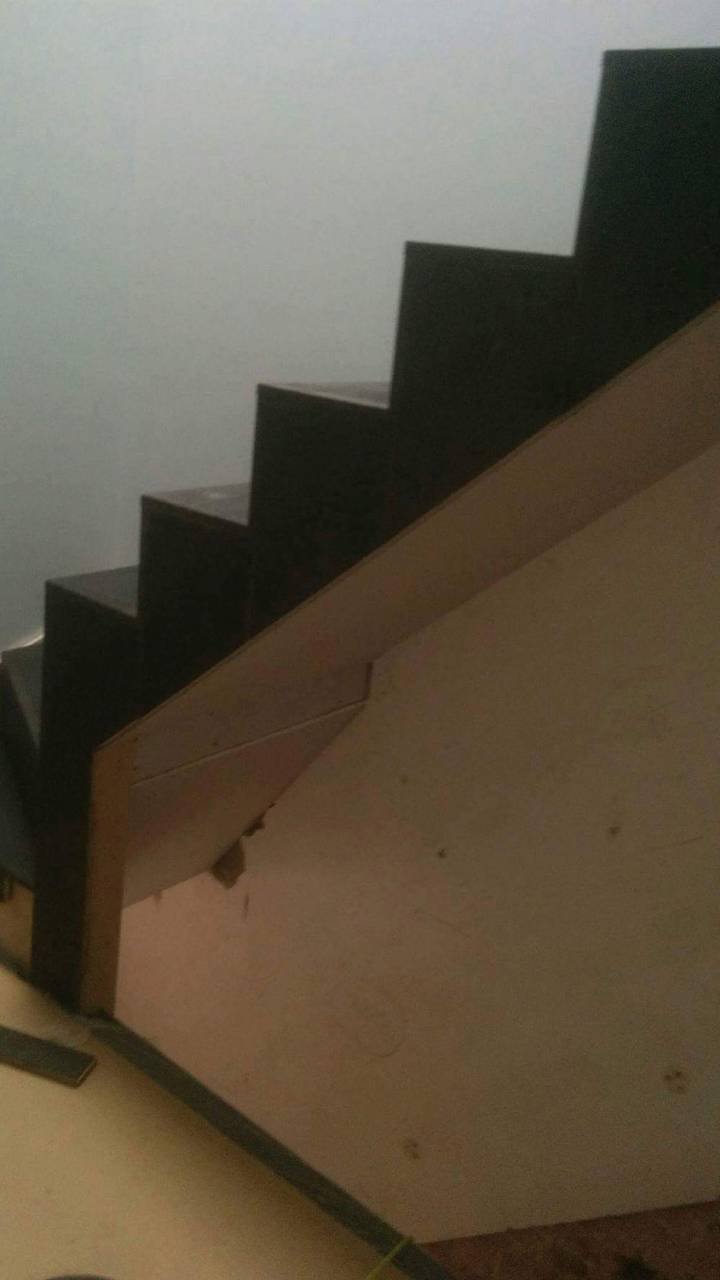
Cutting and Shaping: The wood is cut into the various components of the stairs – treads (the horizontal pieces that are stepped on), risers (vertical pieces between treads), stringers (diagonal supports), and balustrades (handrails and spindles). Each piece must be precisely cut to ensure a snug, secure fit.
Assembly: Starting with the stringers, the basic framework of the staircase is assembled. Treads and risers are then attached, followed by the installation of the balustrade system. This step requires careful alignment and securing of each component to ensure the staircase is stable and sturdy.
Finishing: The wood is sanded, treated, and finished with stains or sealants to enhance its appearance and durability. The choice of finish can greatly affect the stairs’ look and feel, as well as its resistance to wear and tear.
Installation: The final step involves installing the staircase in the designated area, ensuring it is perfectly aligned and anchored. This might involve additional framing or support work to integrate the staircase seamlessly with the existing structure.
Professional installation is highly recommended due to the technical skills required and the importance of precision for safety and longevity.
The complexity of the design and the staircase’s location within the home can also impact the construction and installation process, making expert guidance and execution crucial.