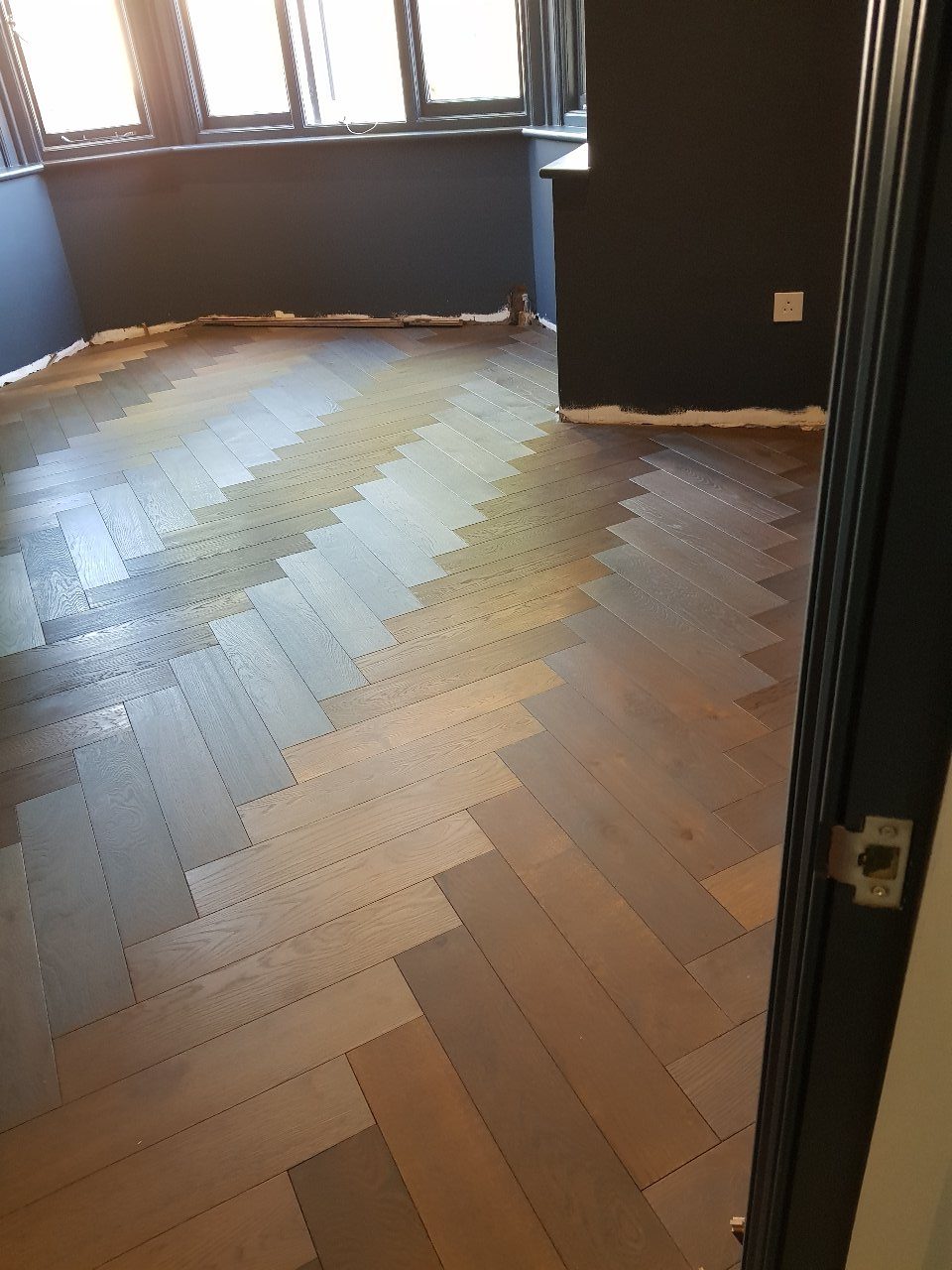
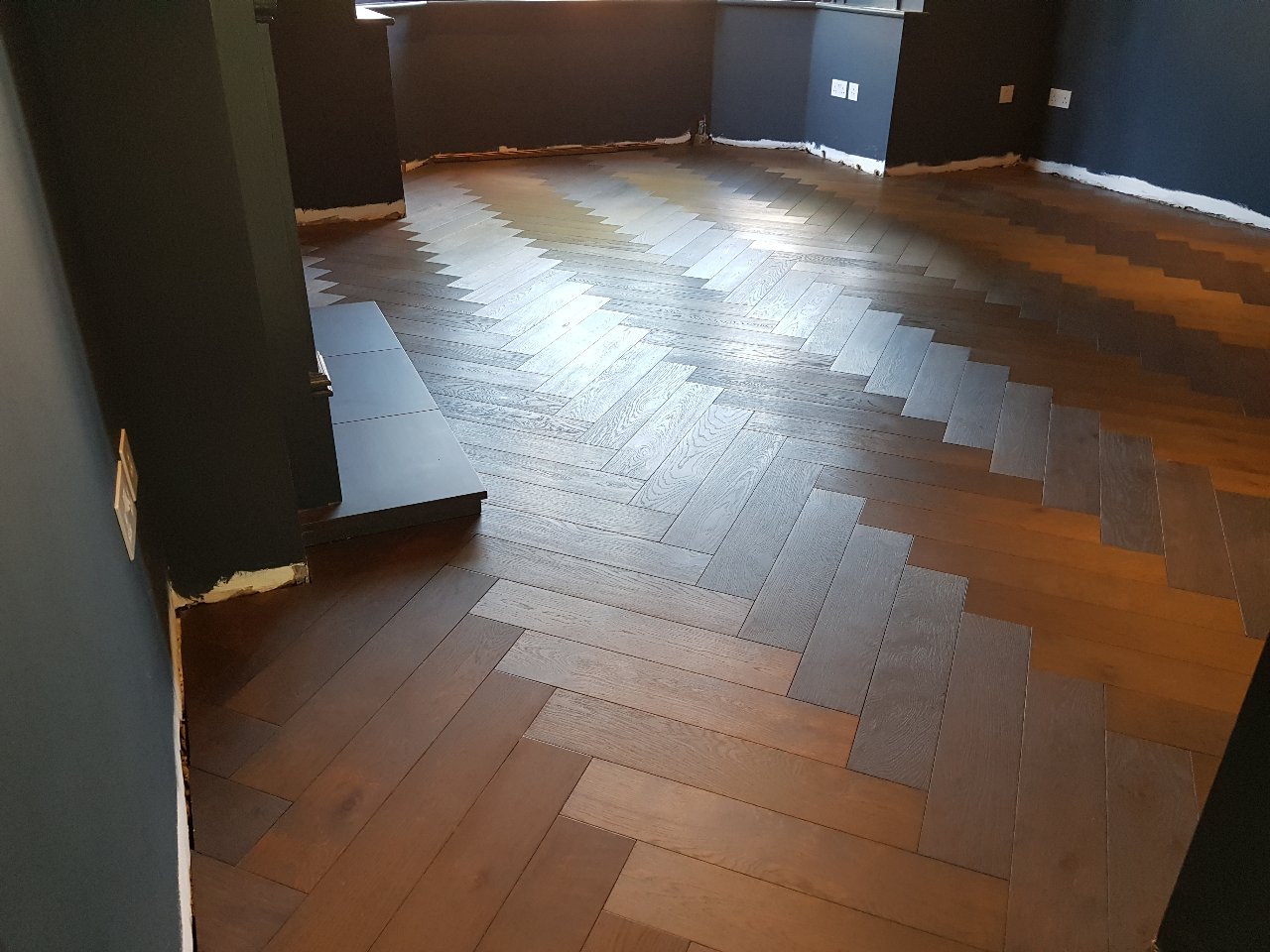
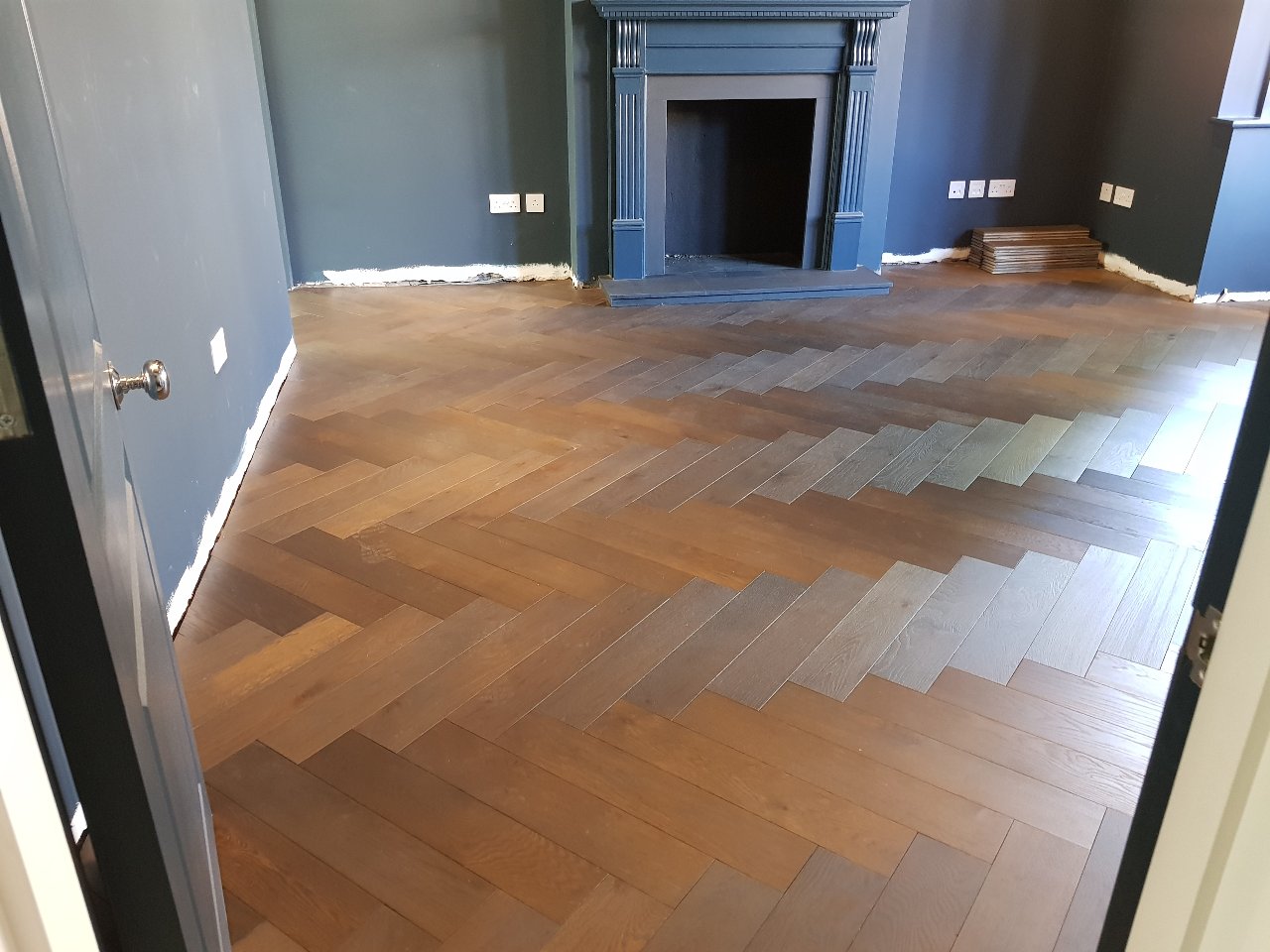
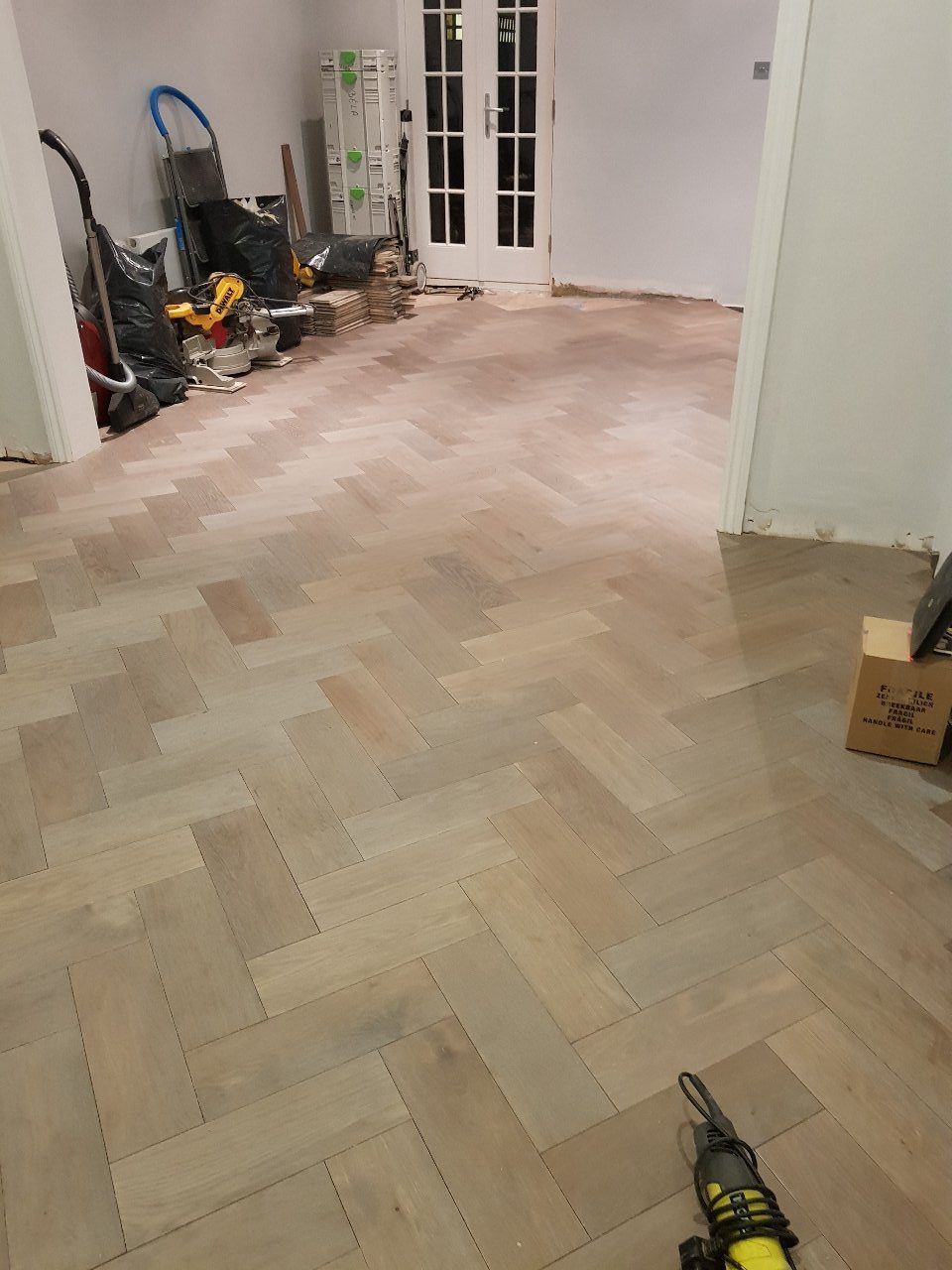
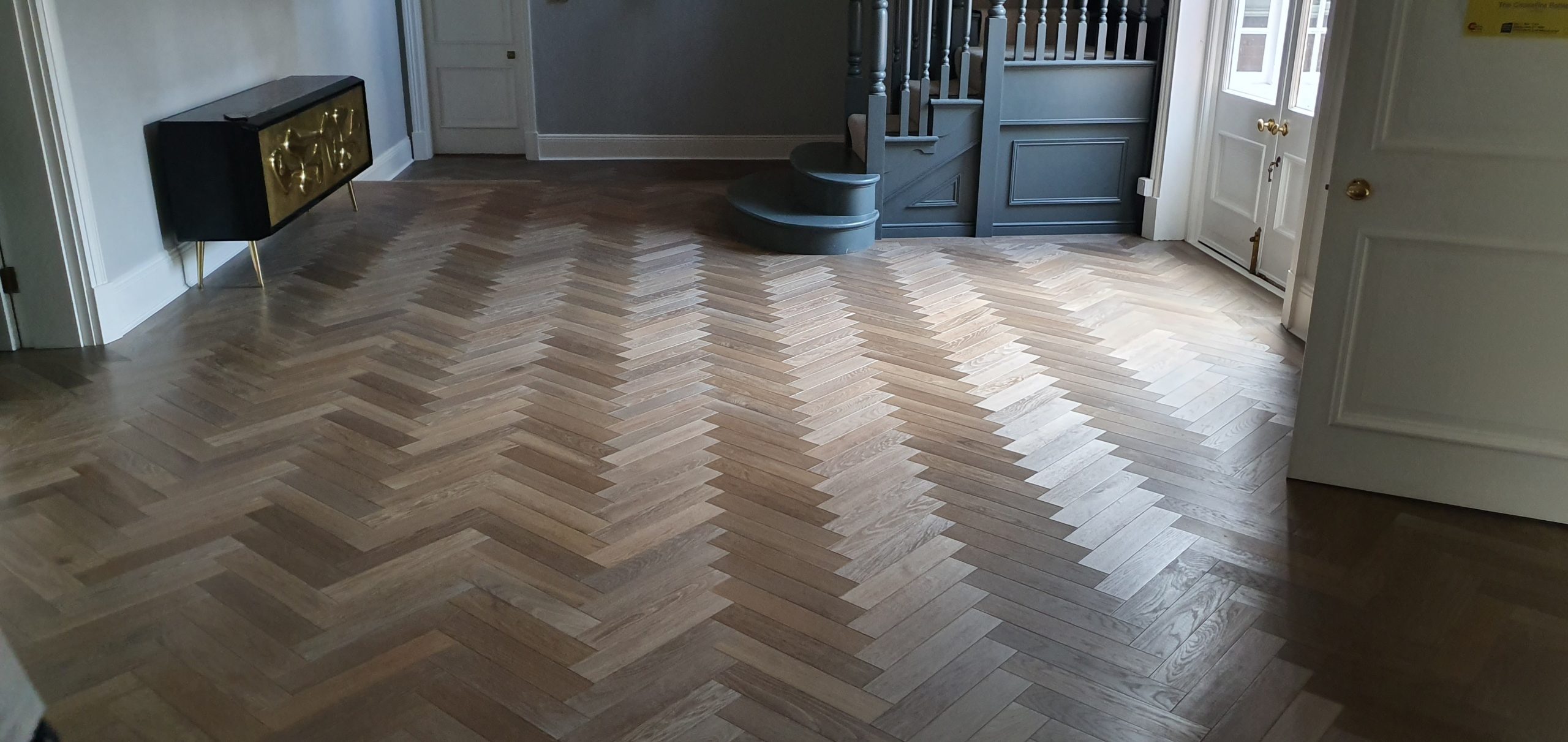
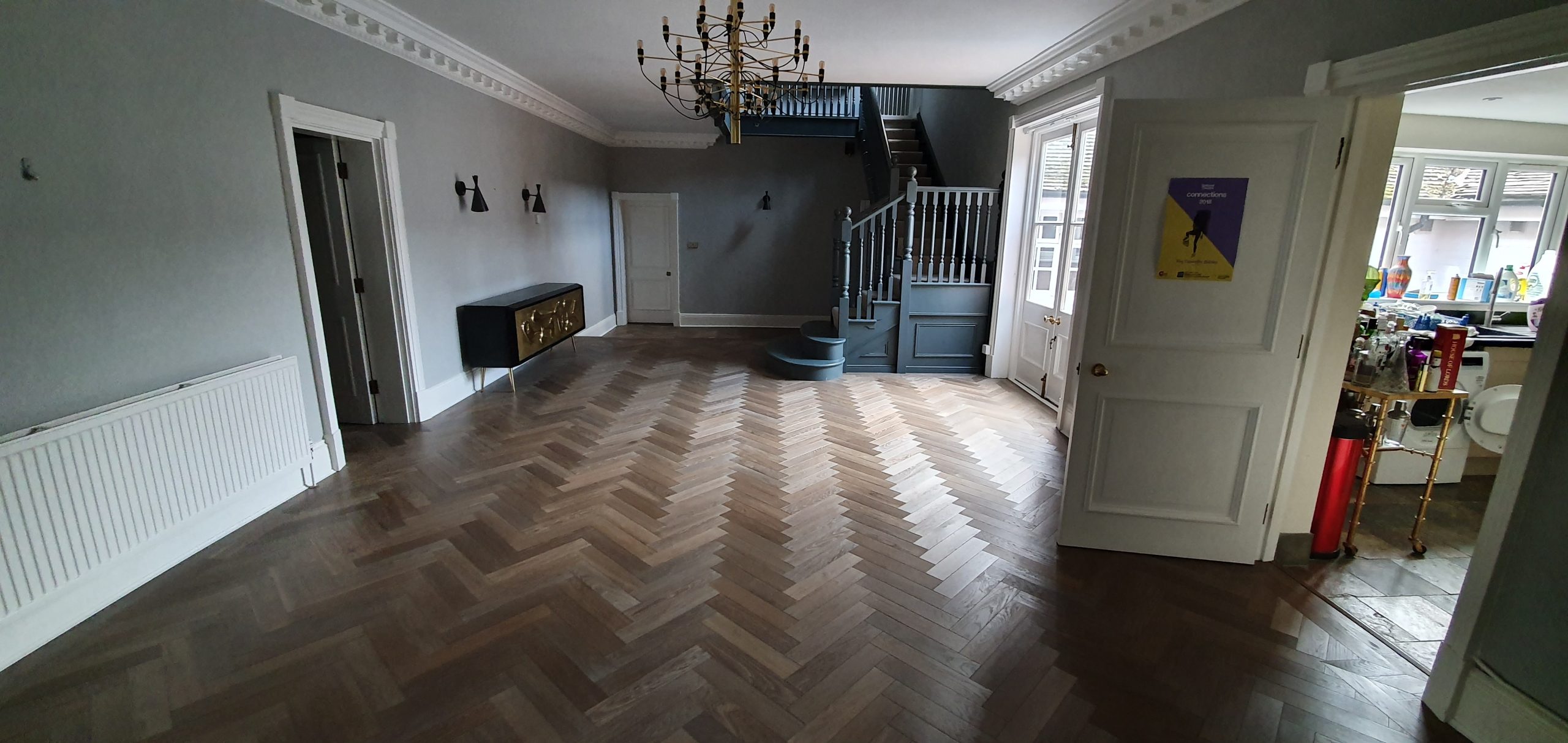
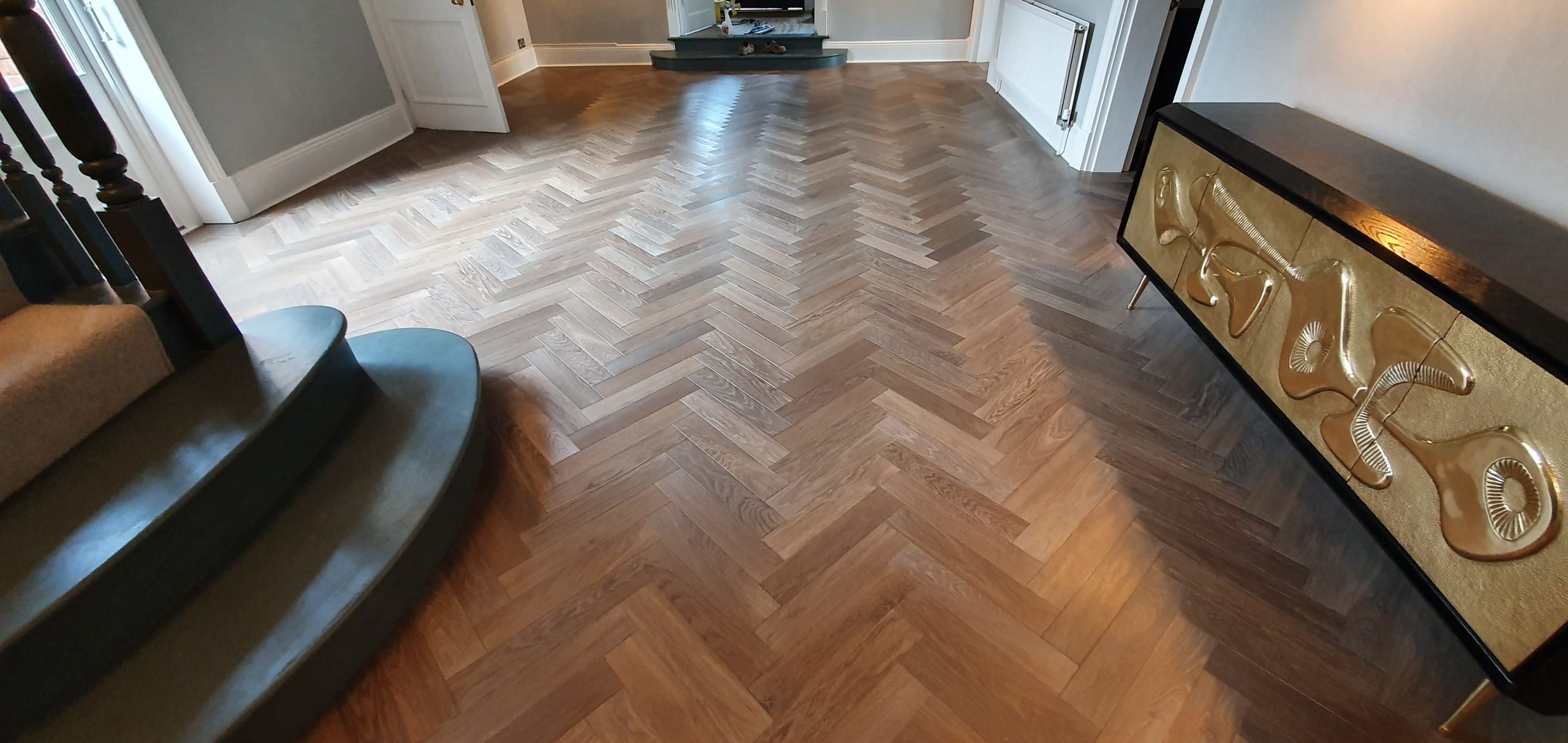
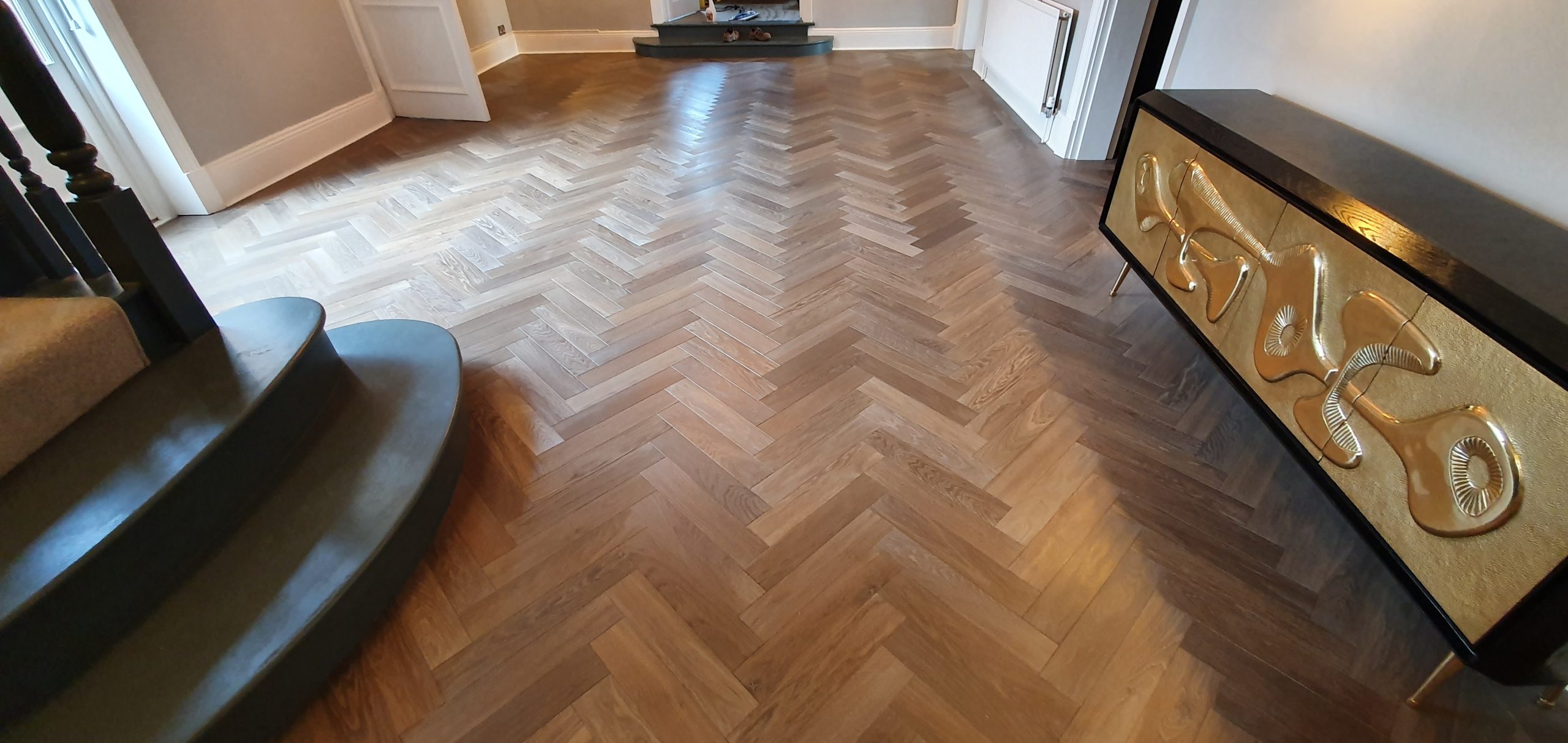
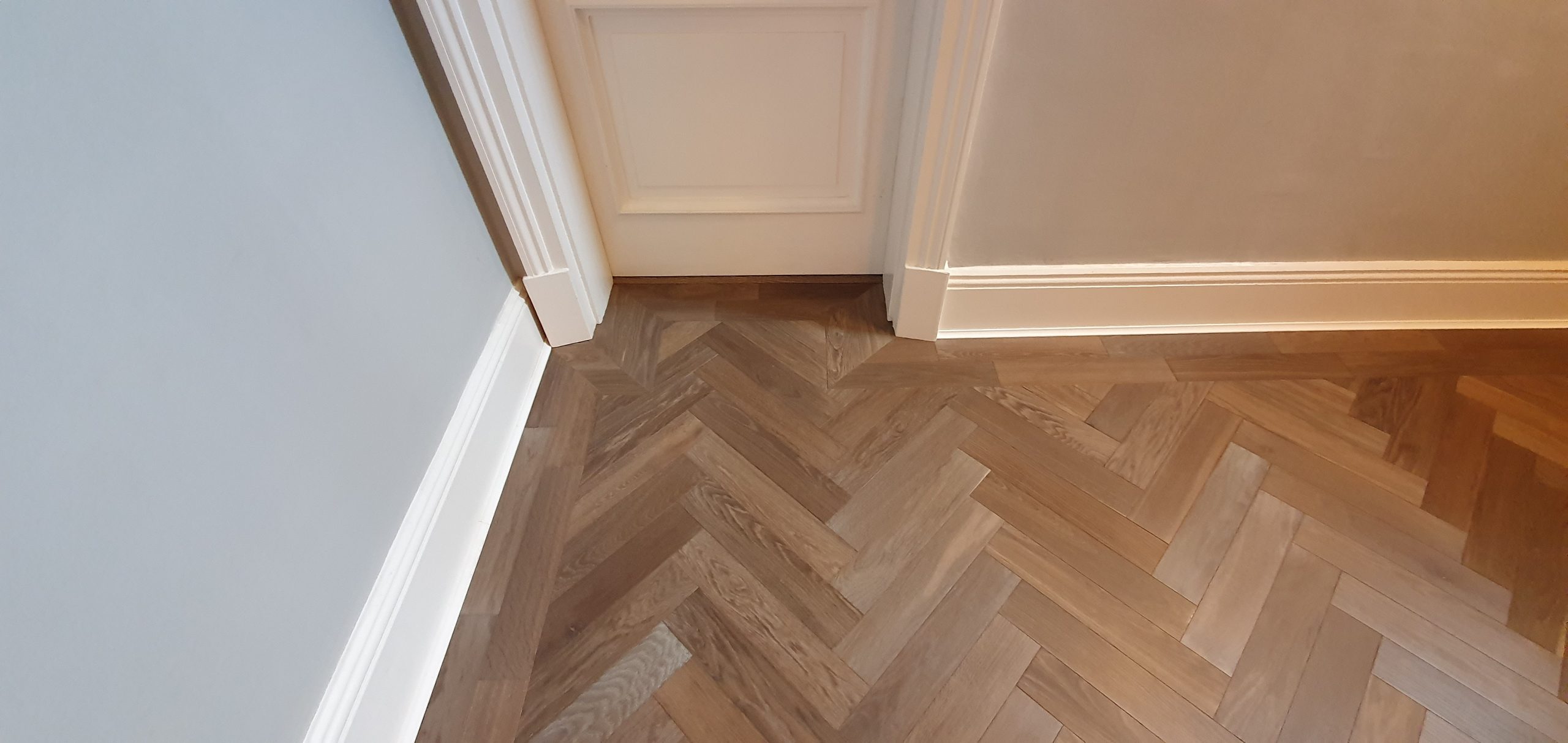
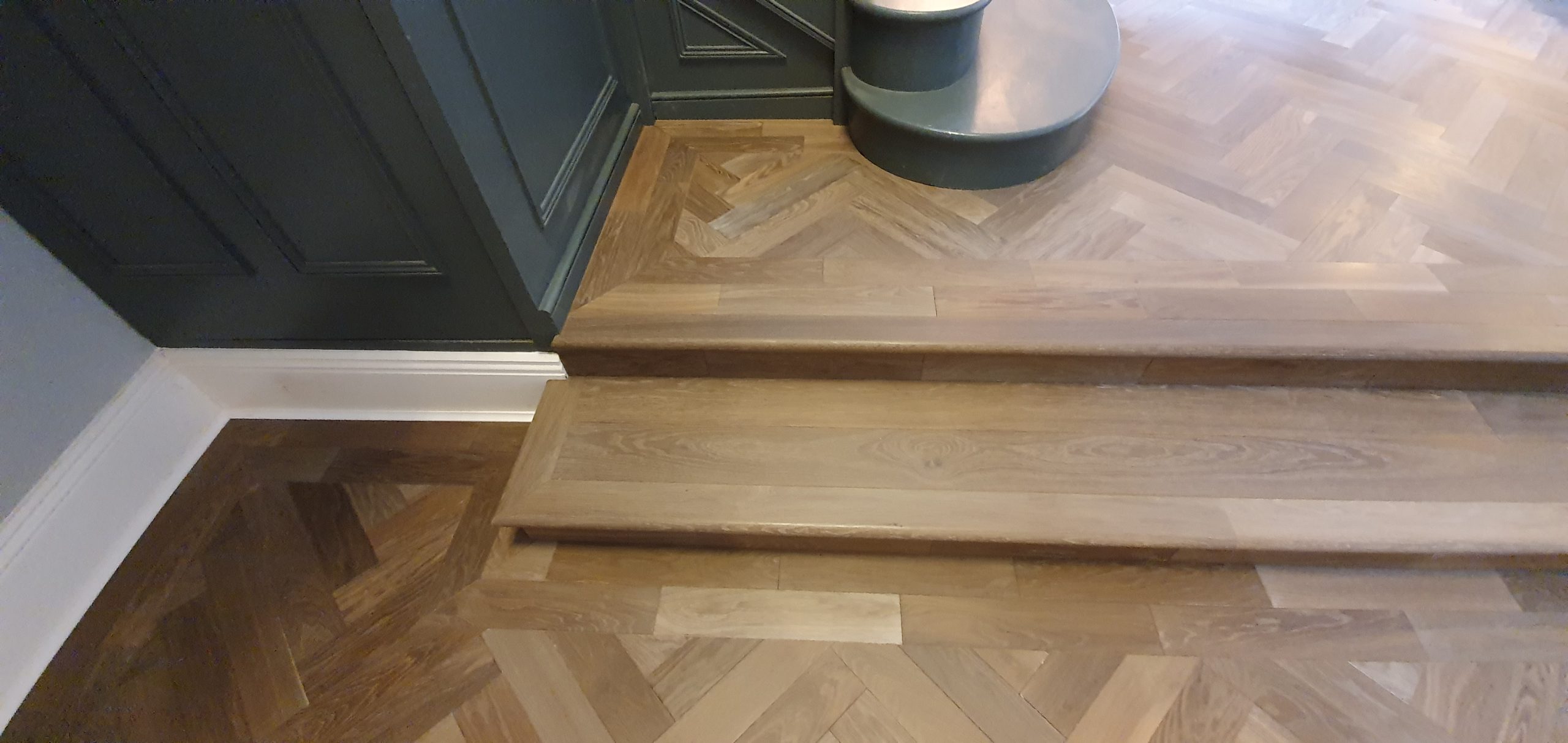
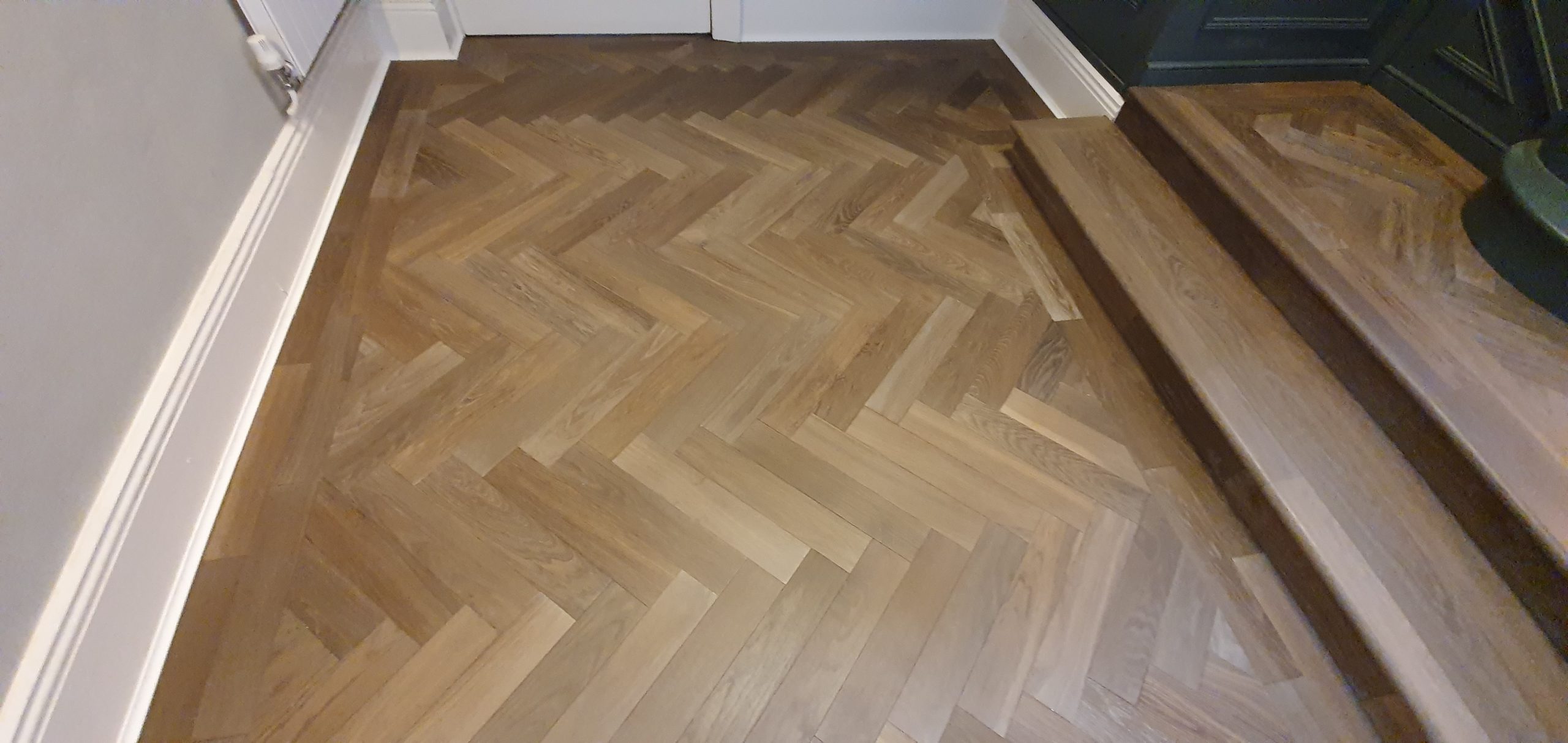
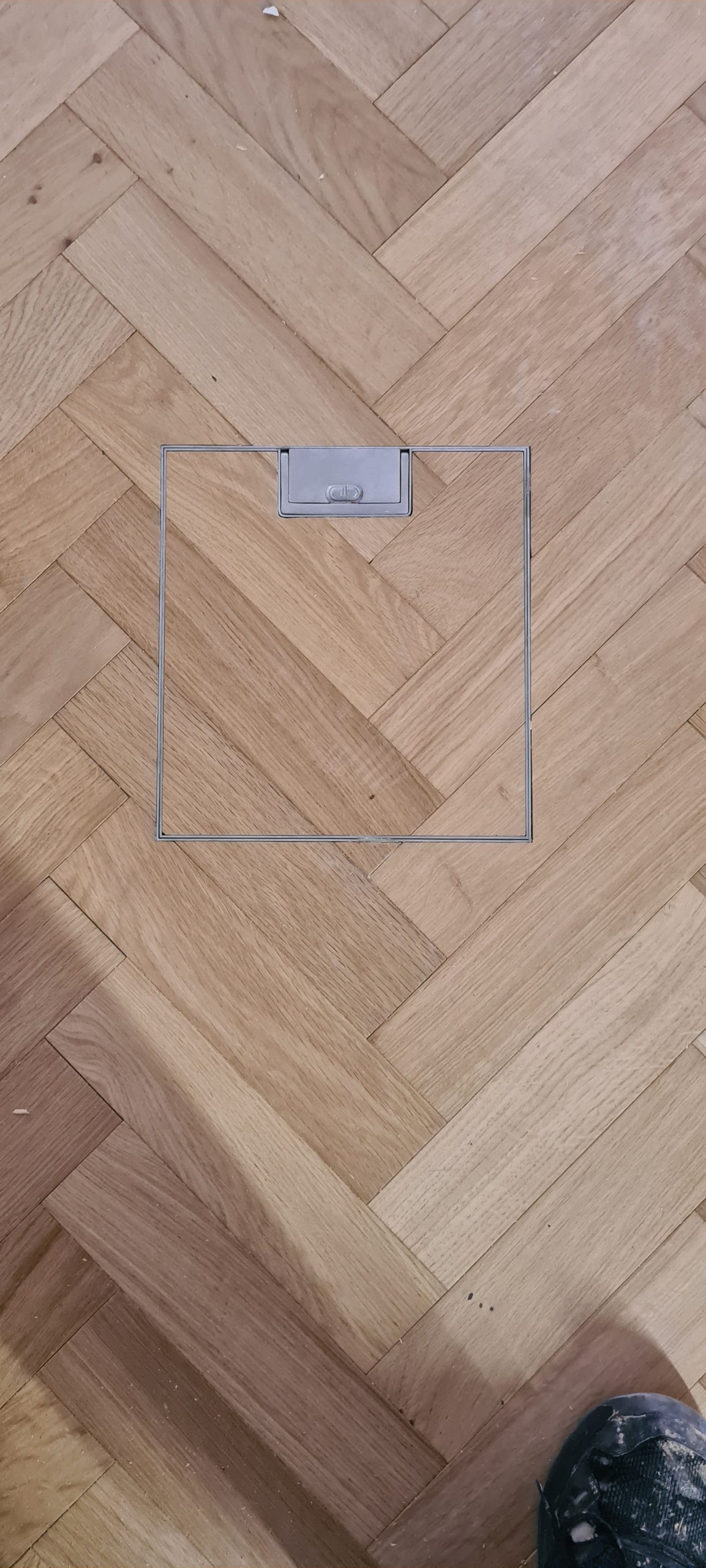
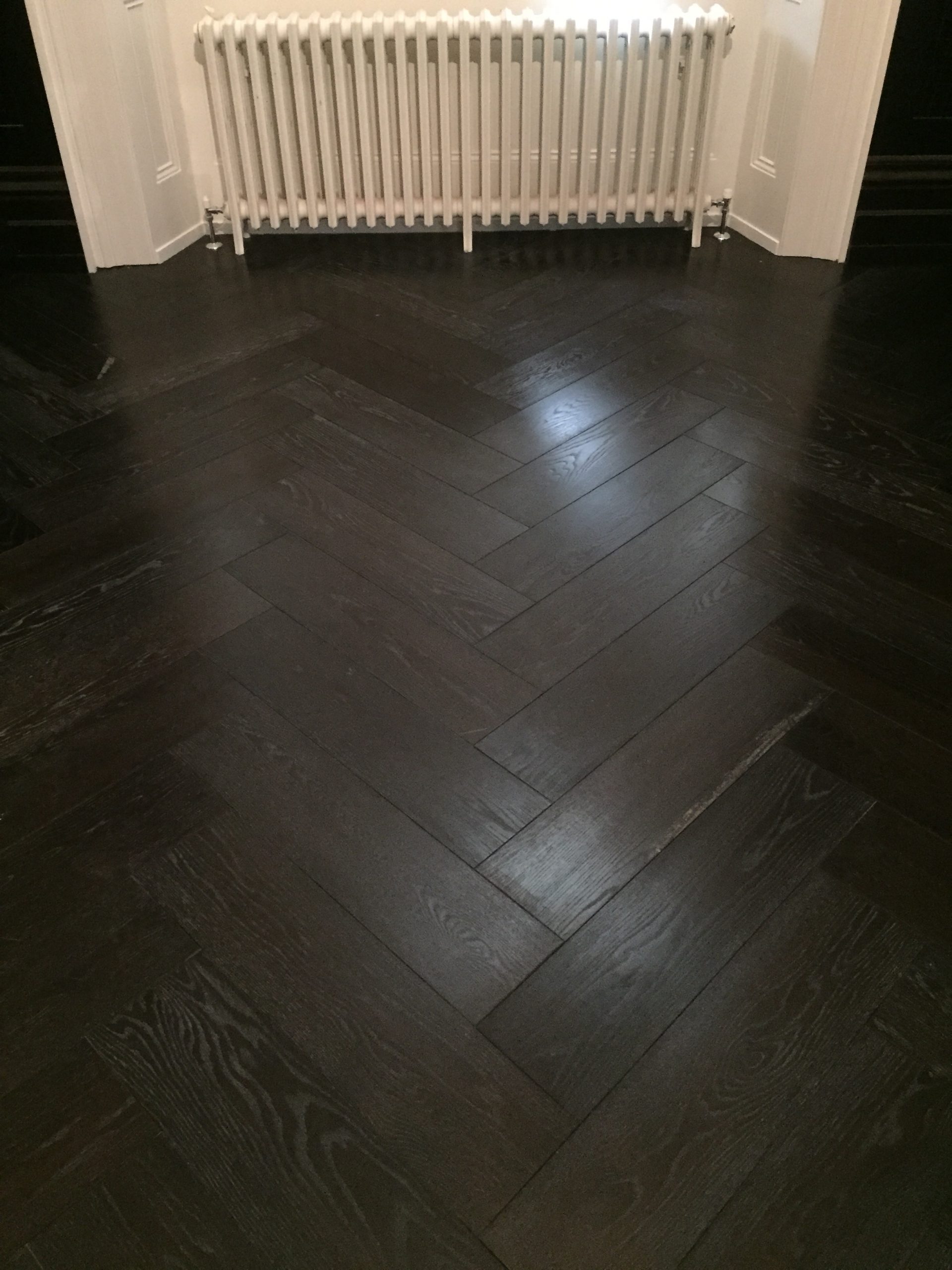
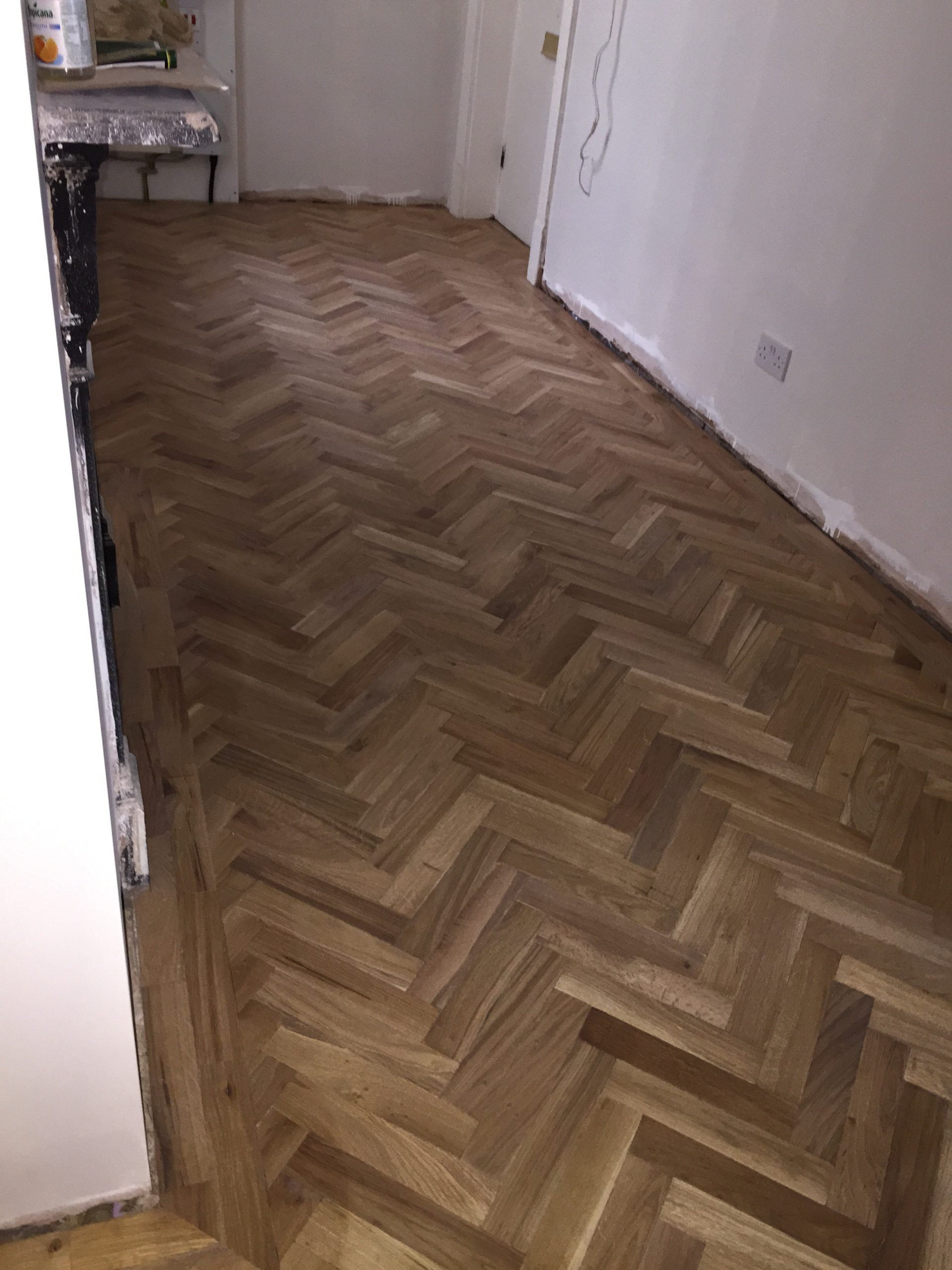
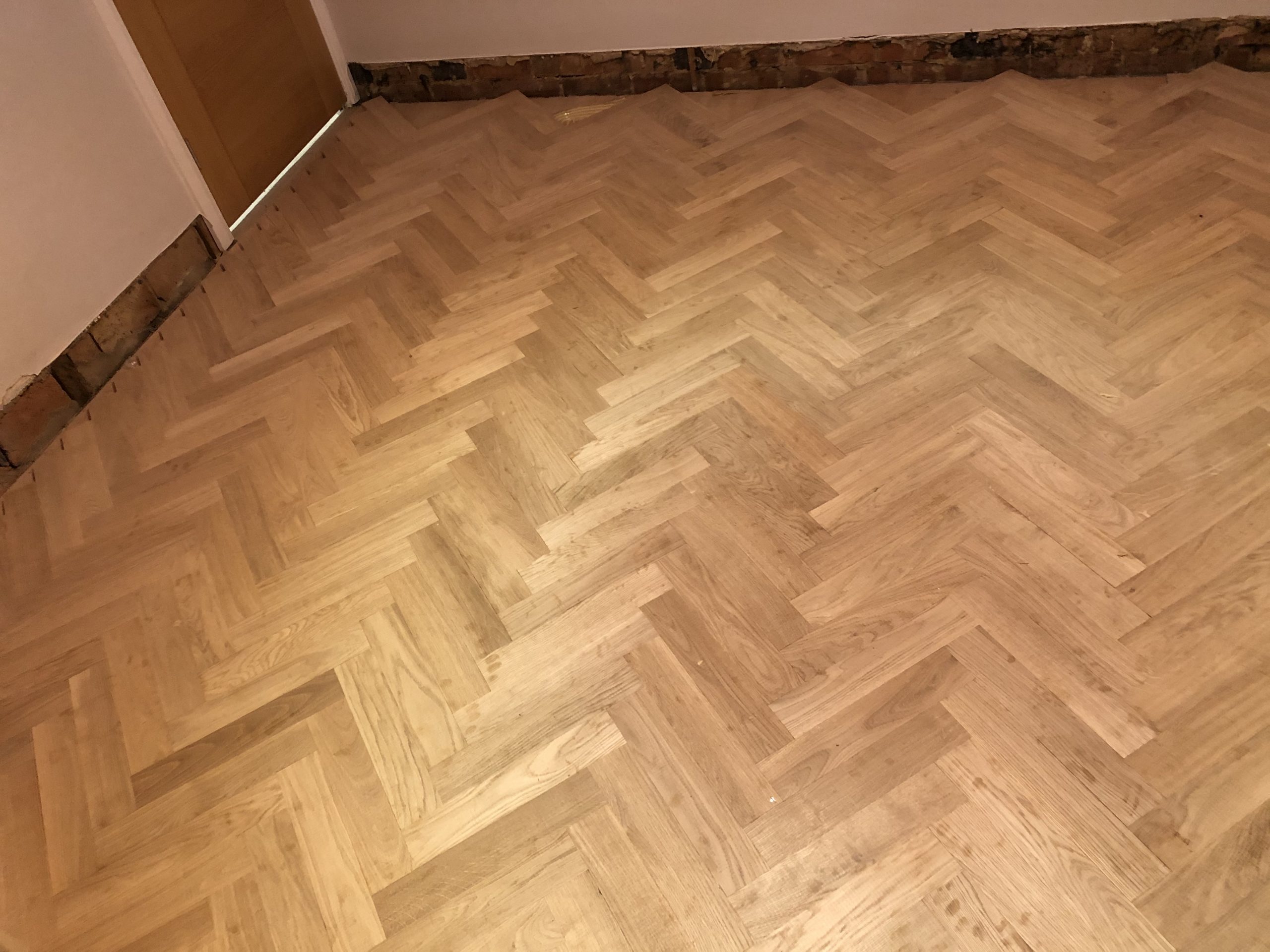
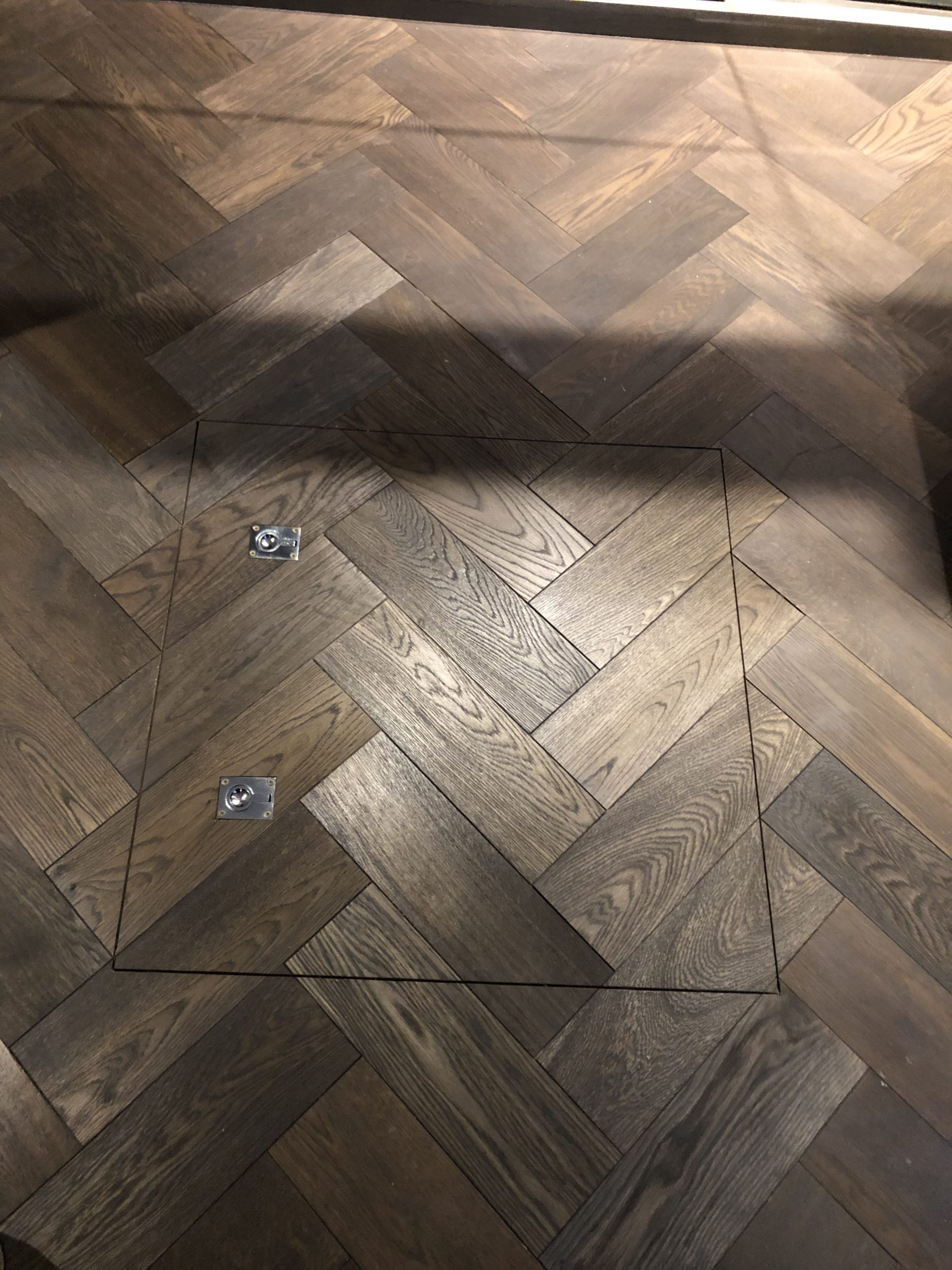
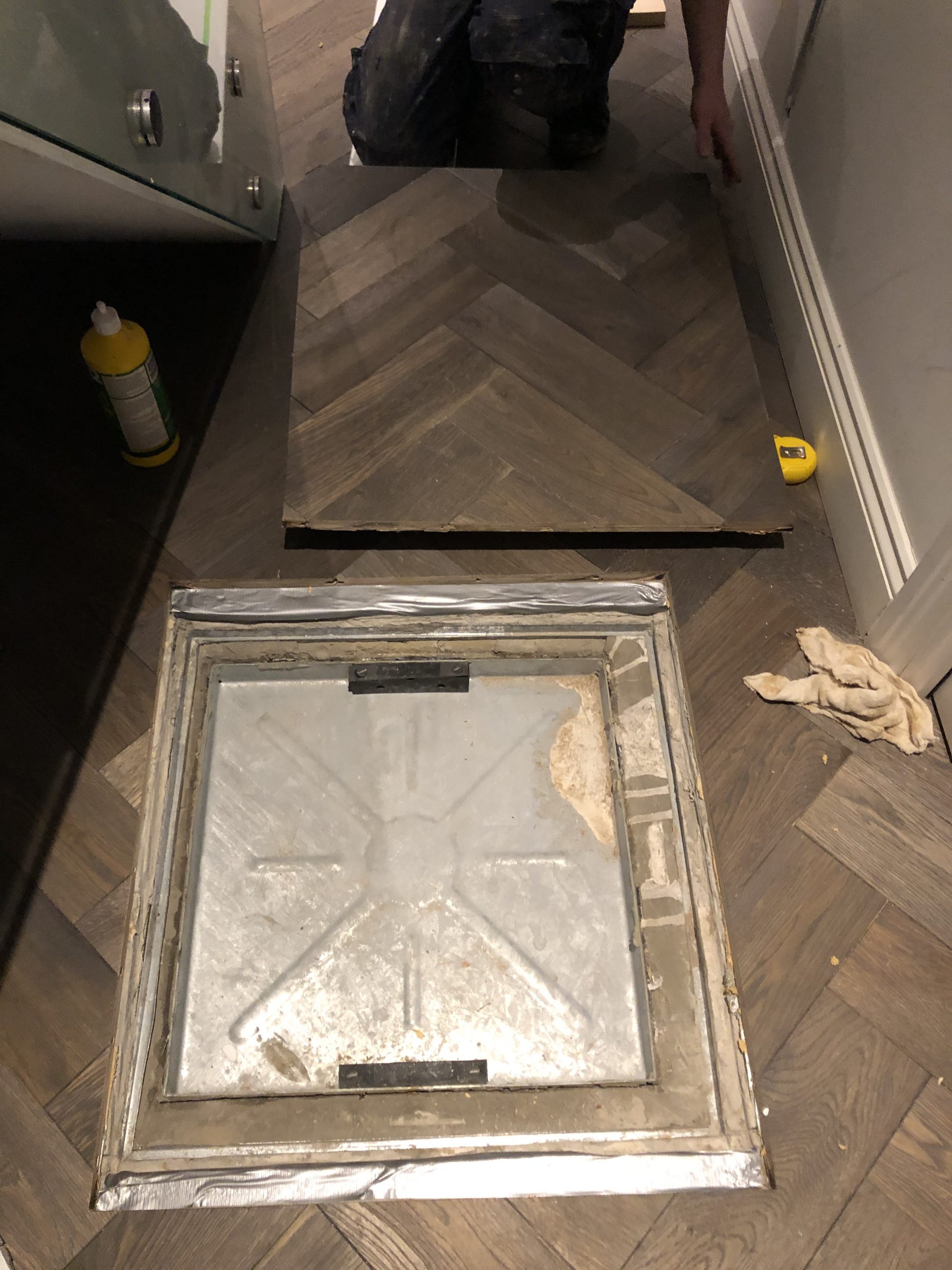
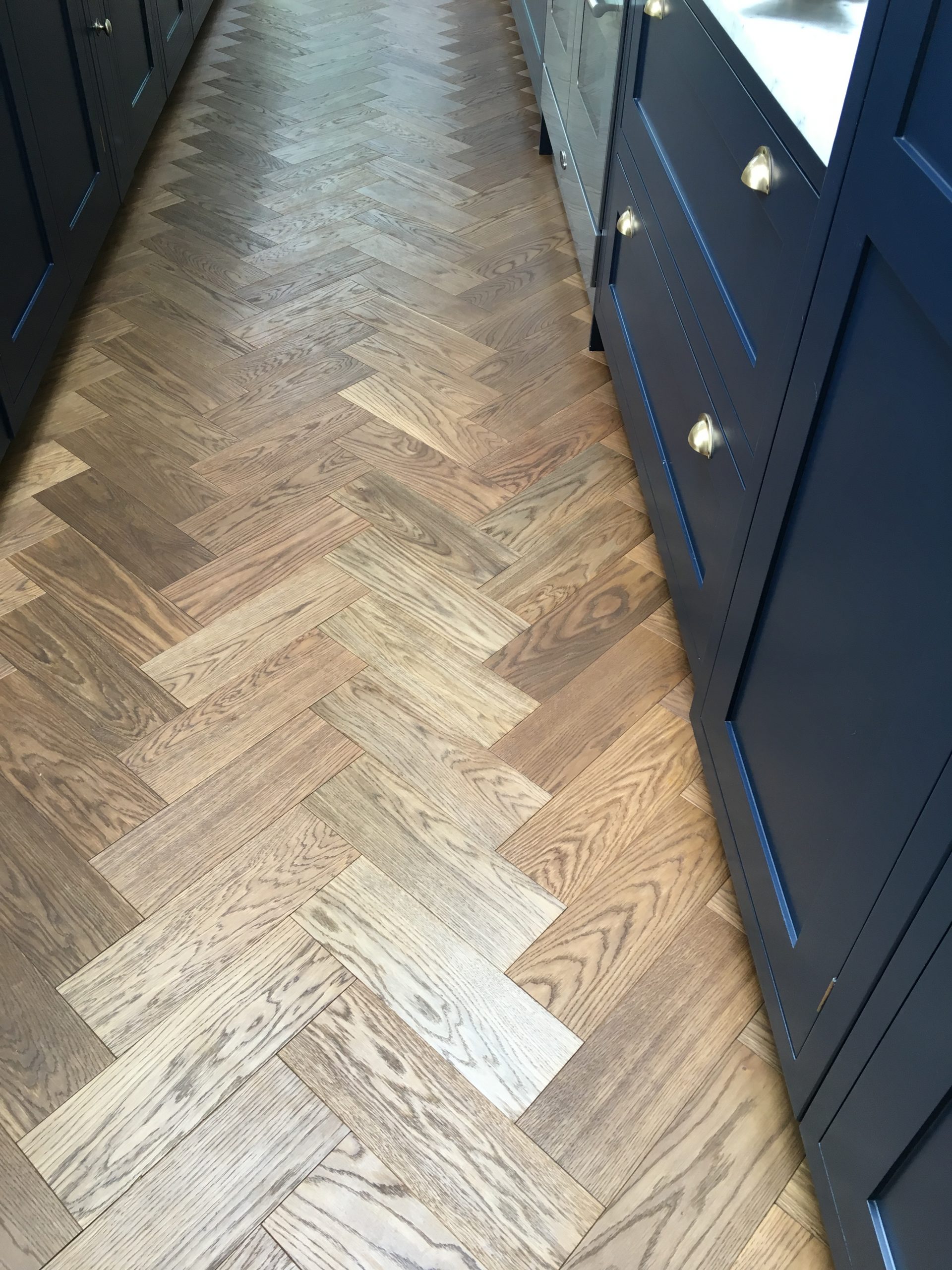
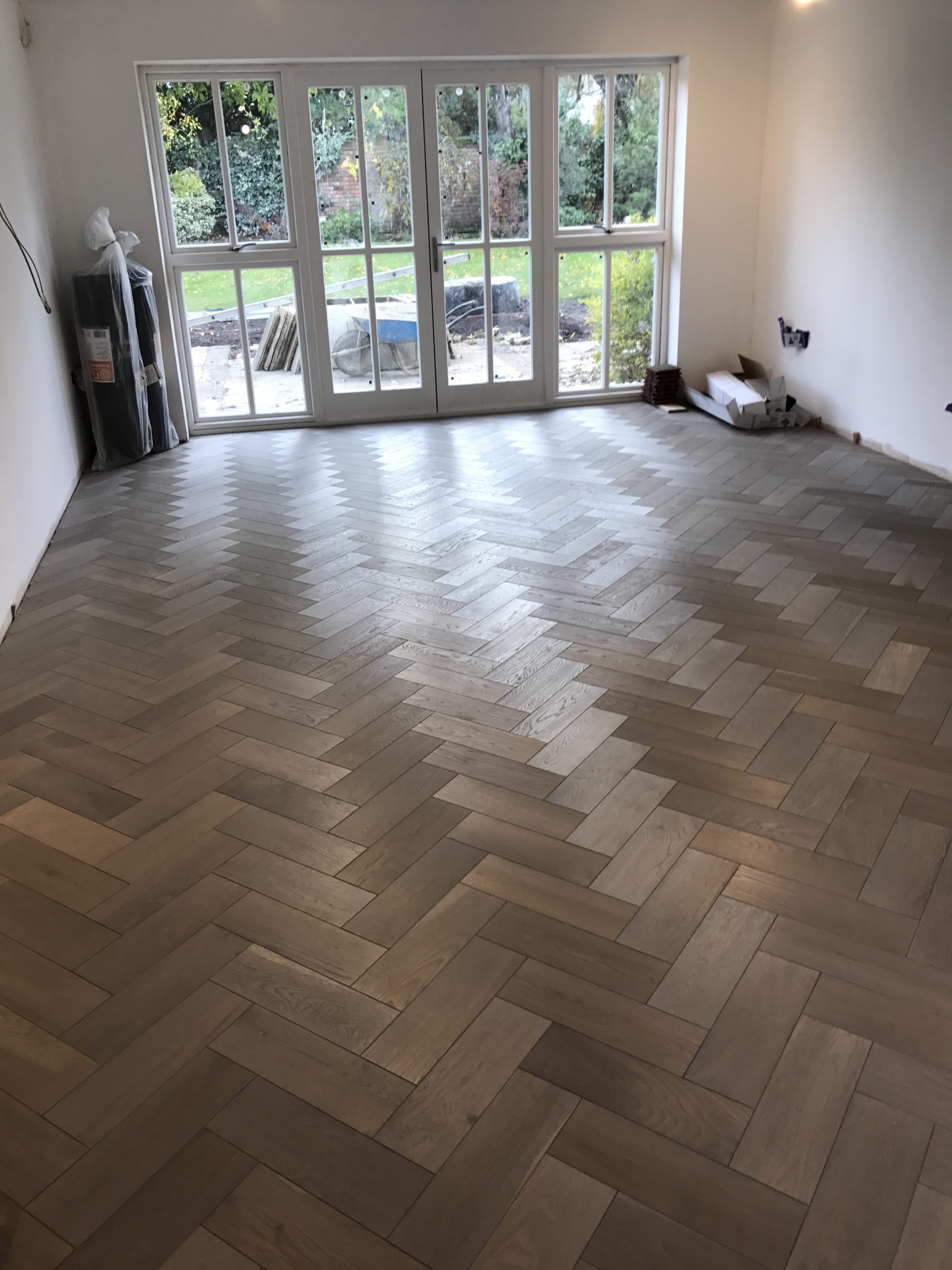
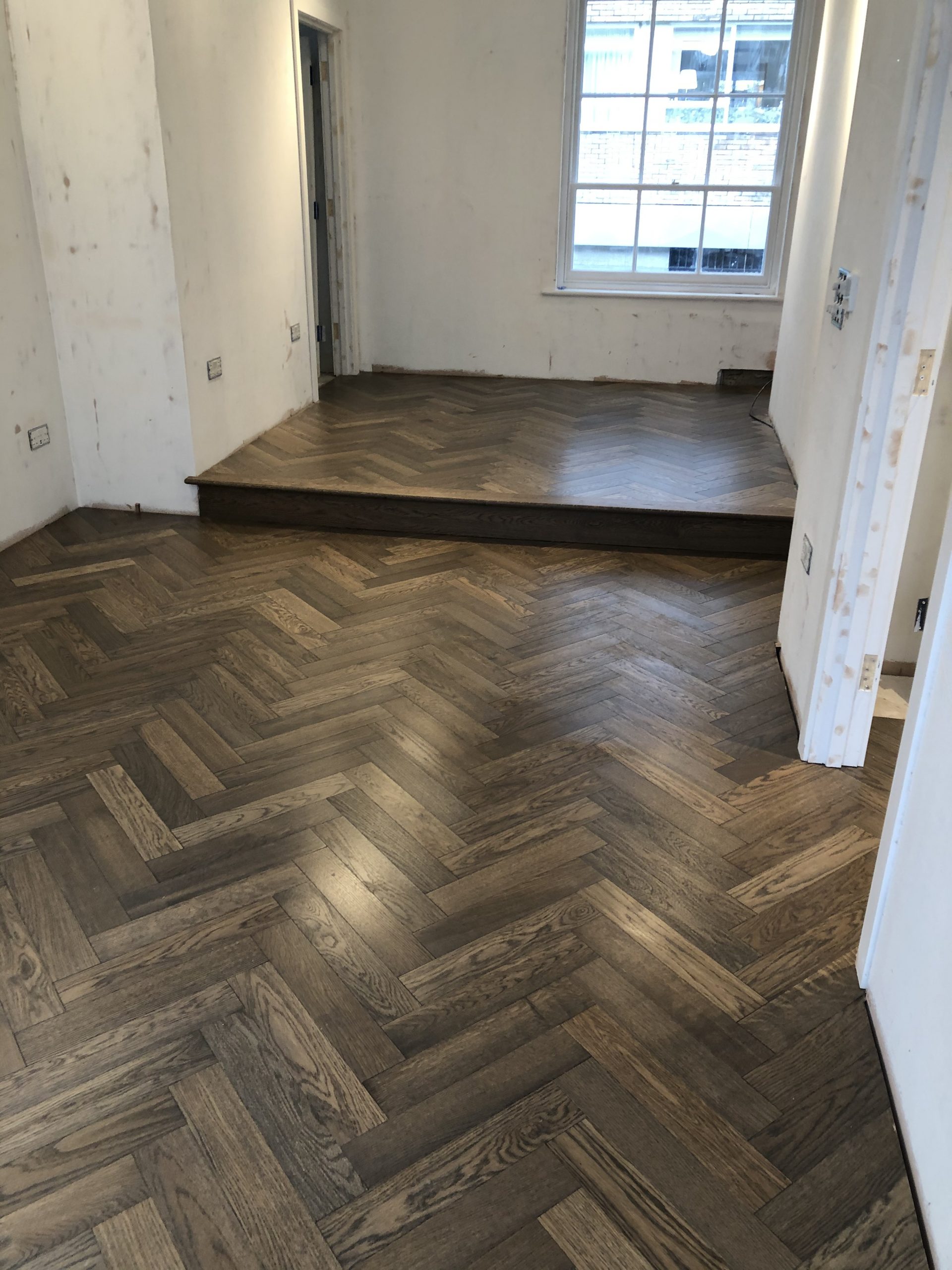
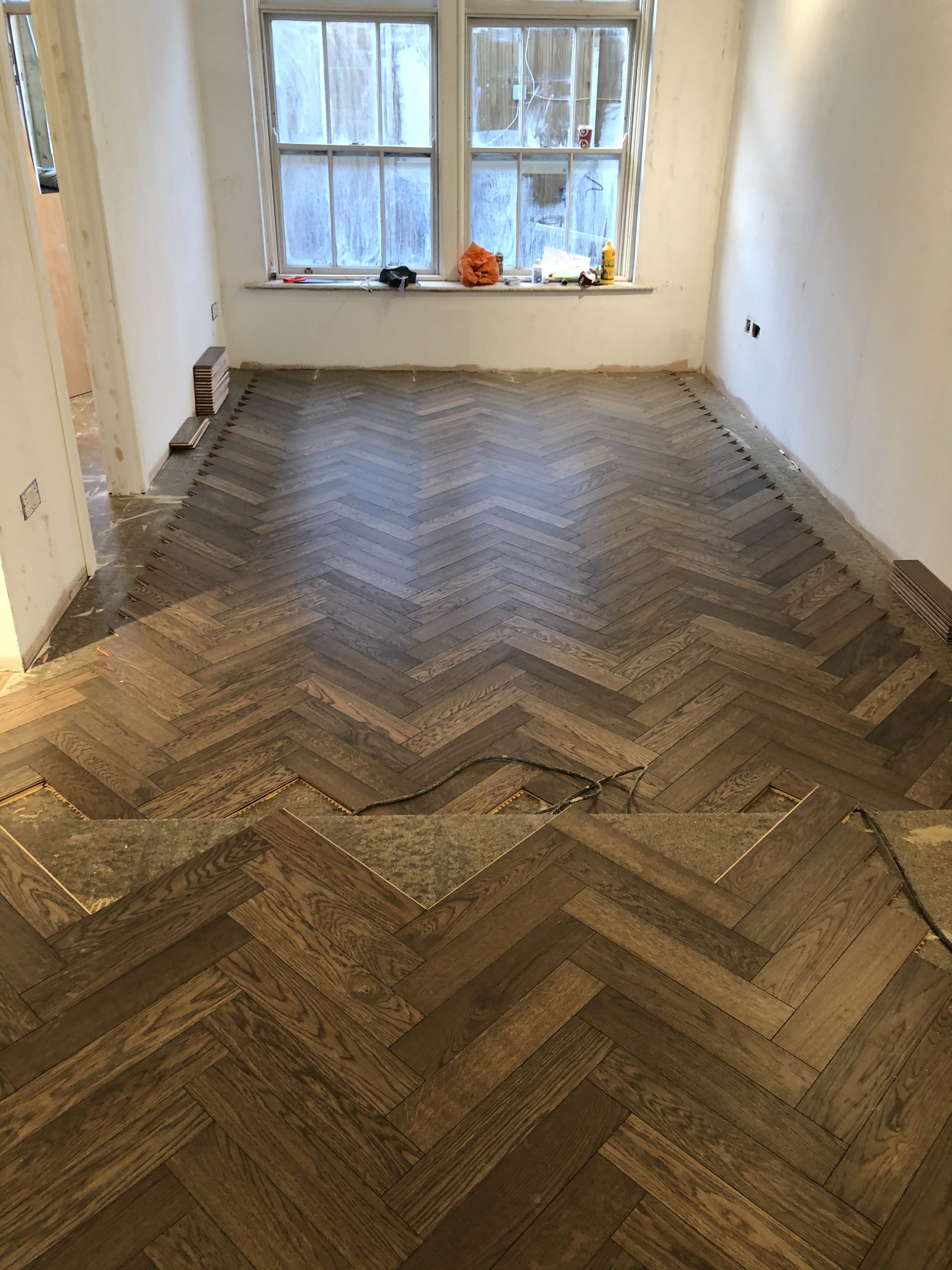
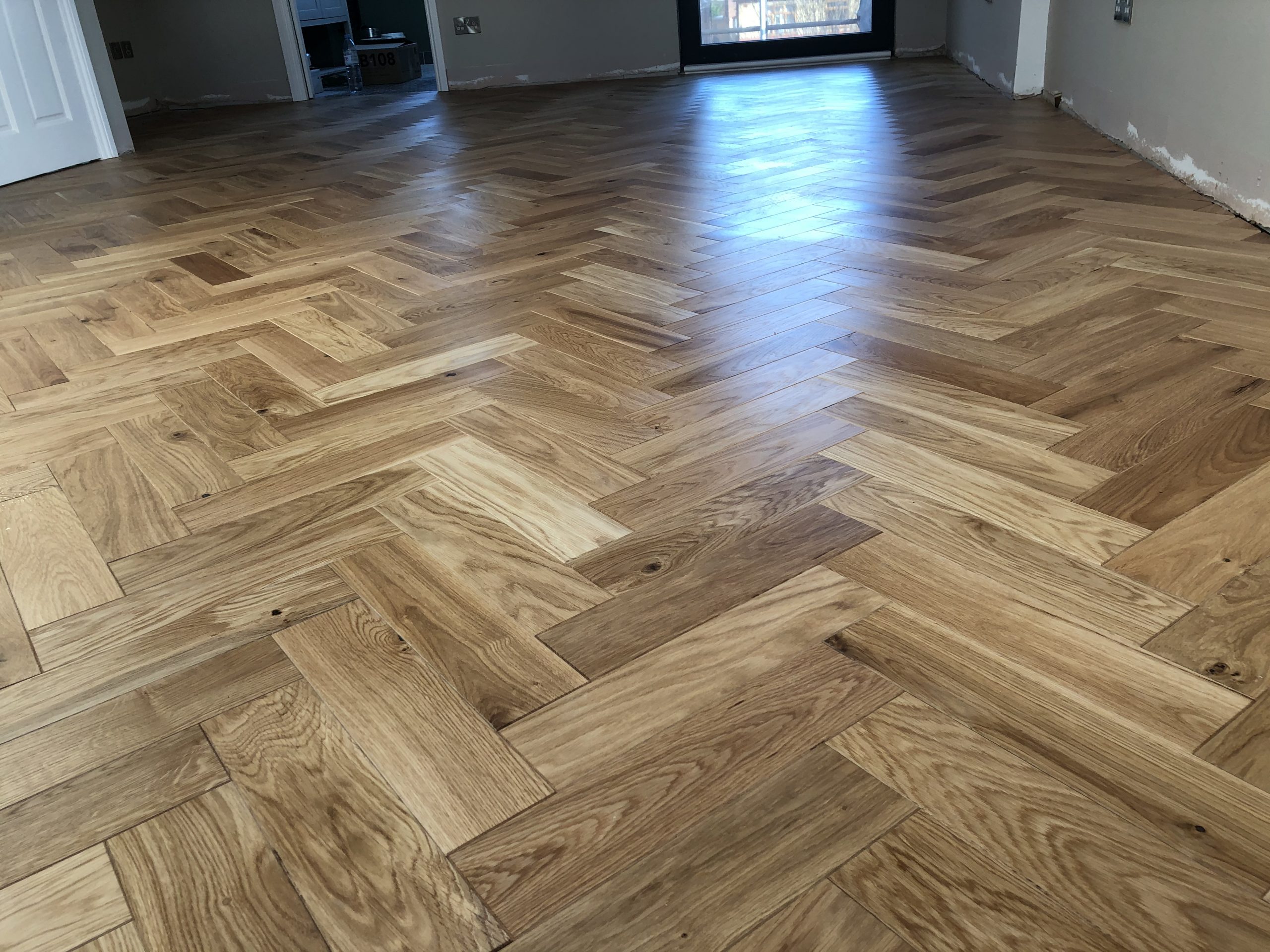
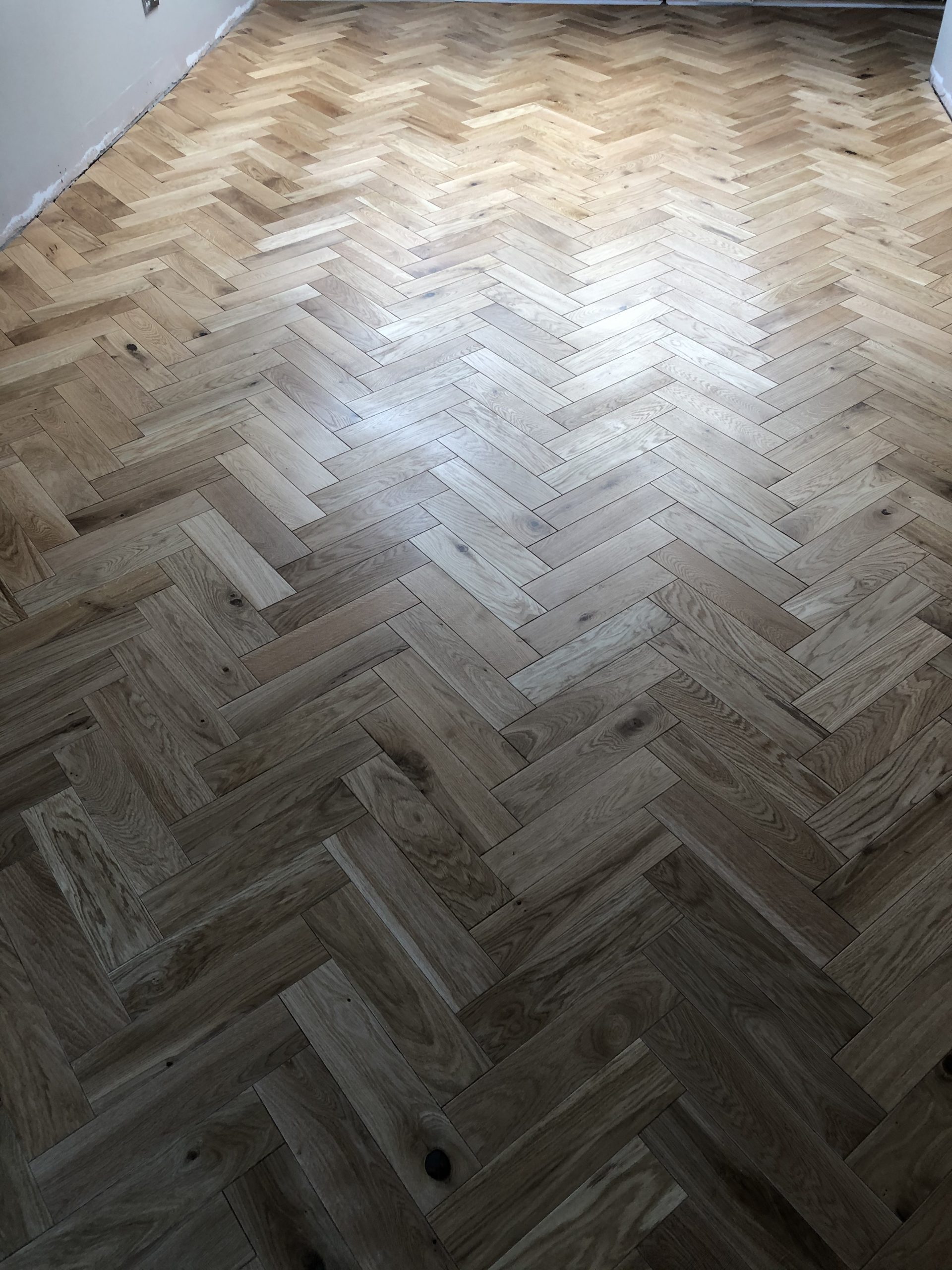
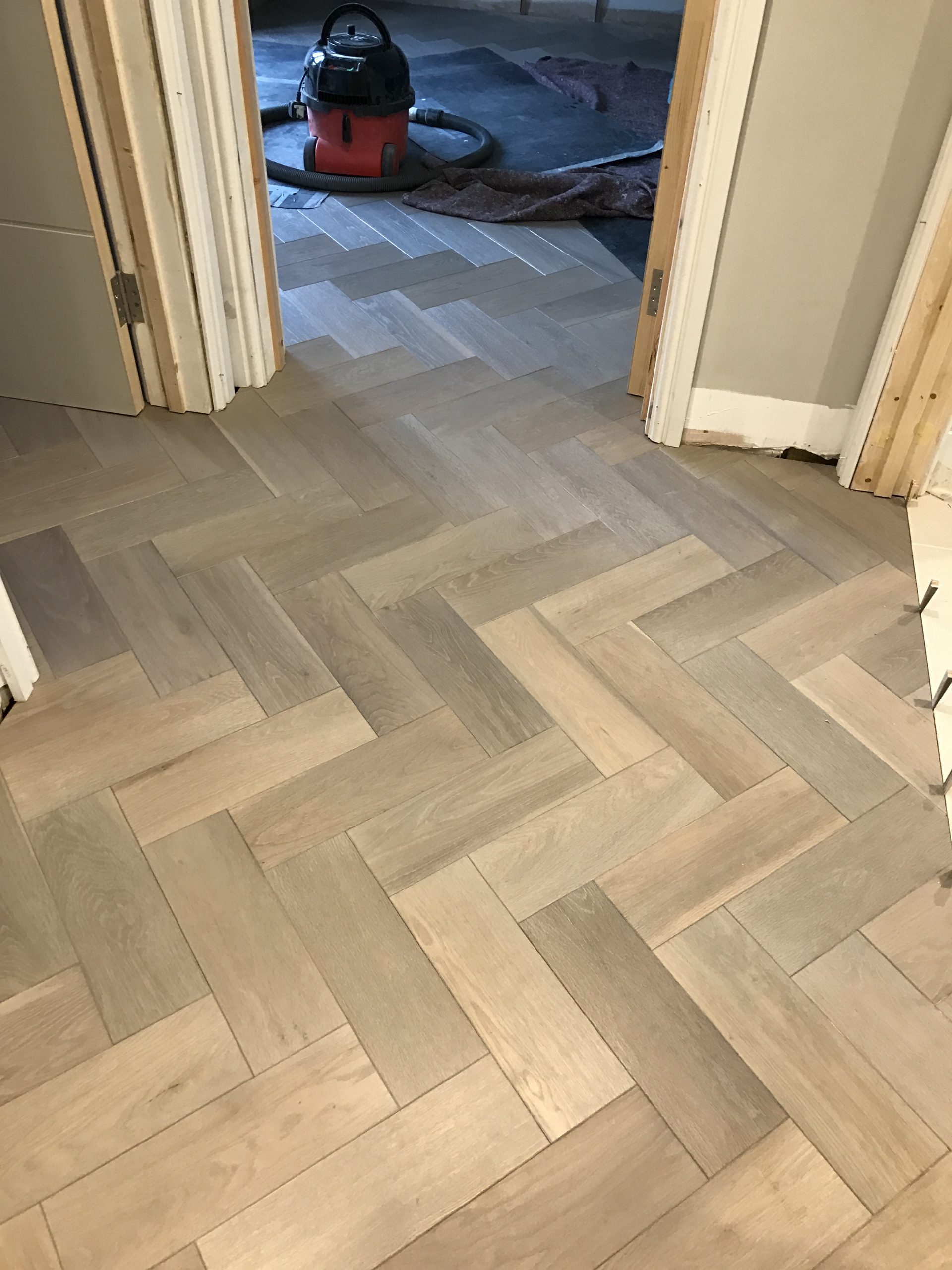
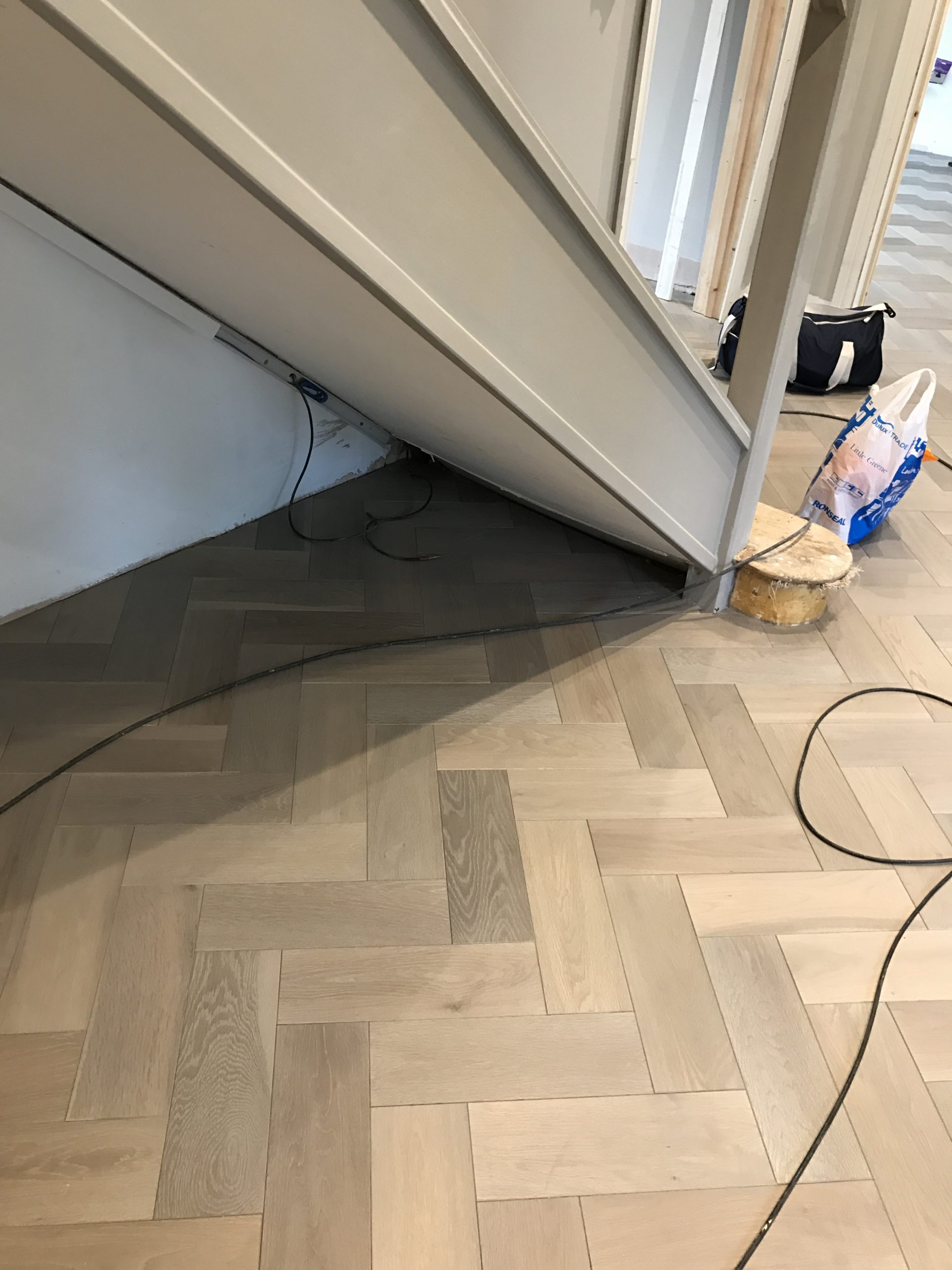
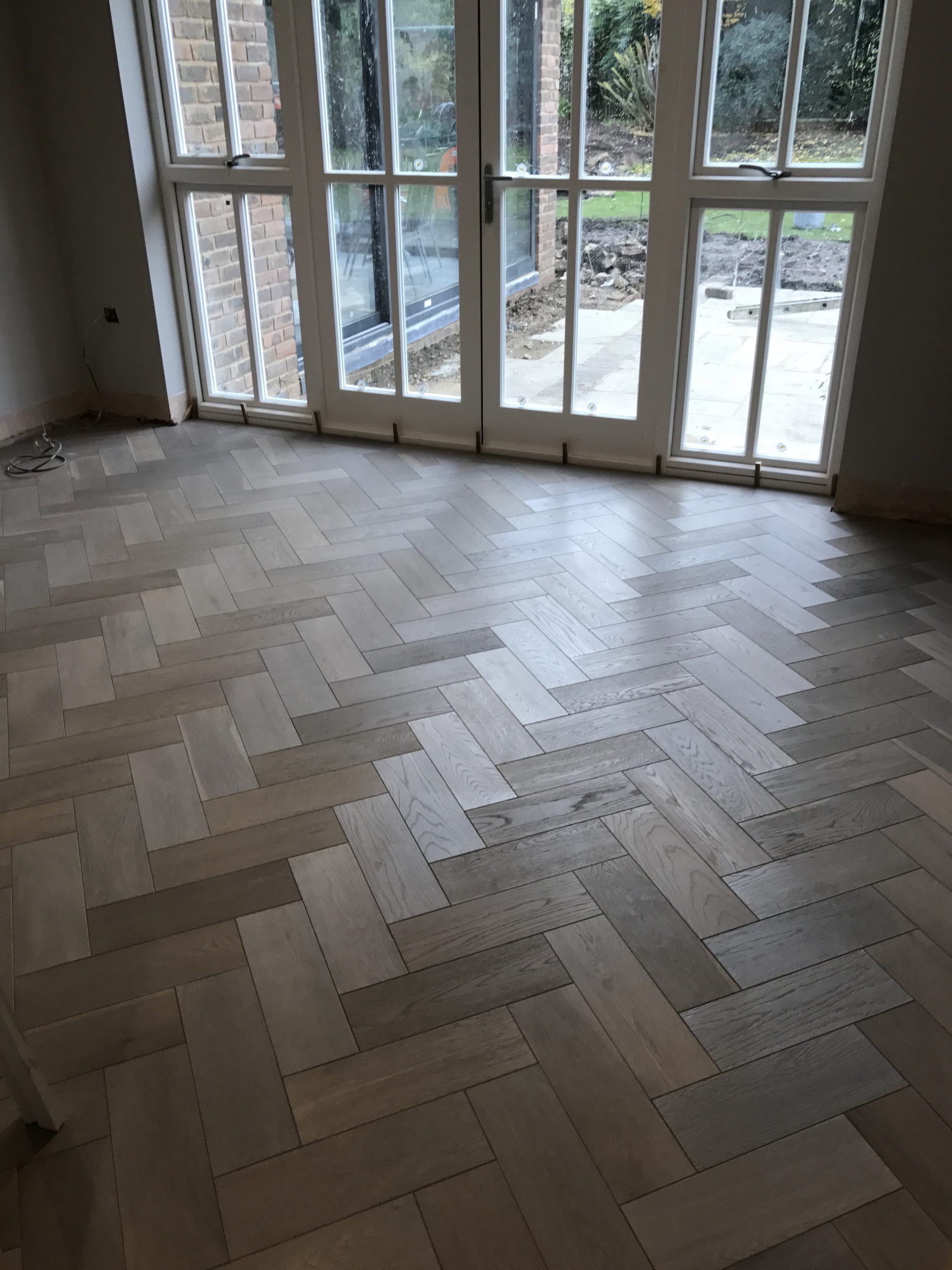
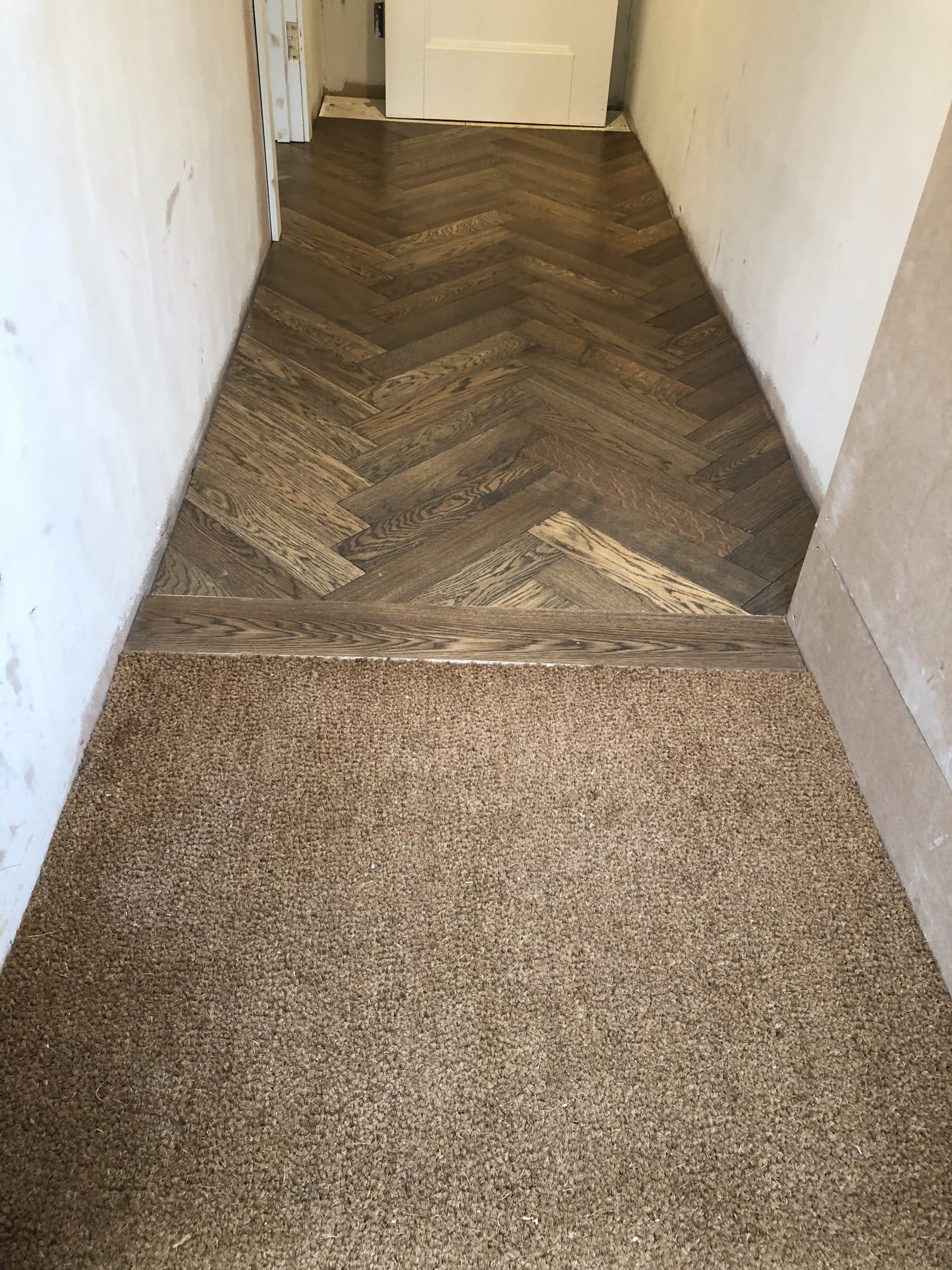
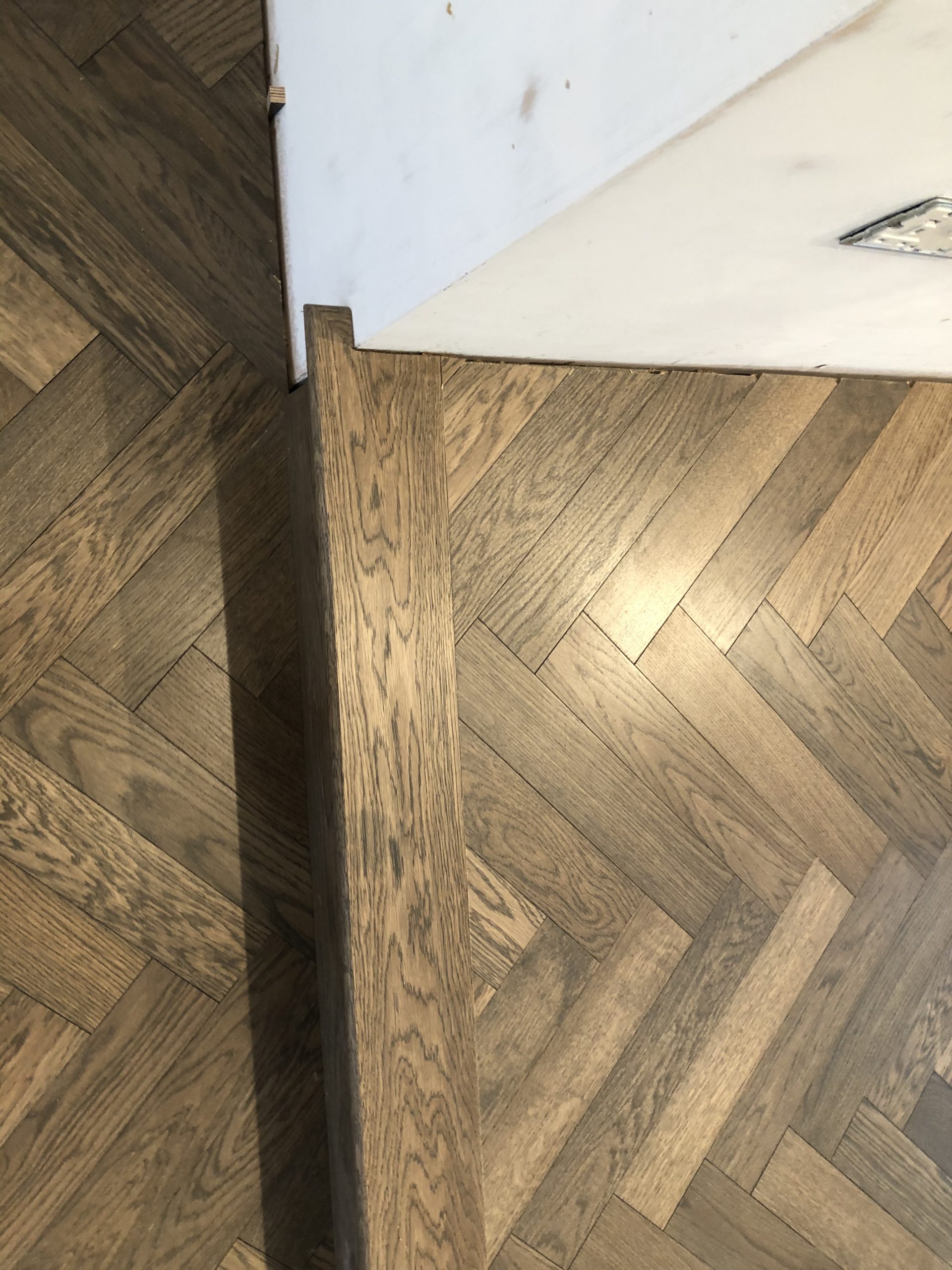
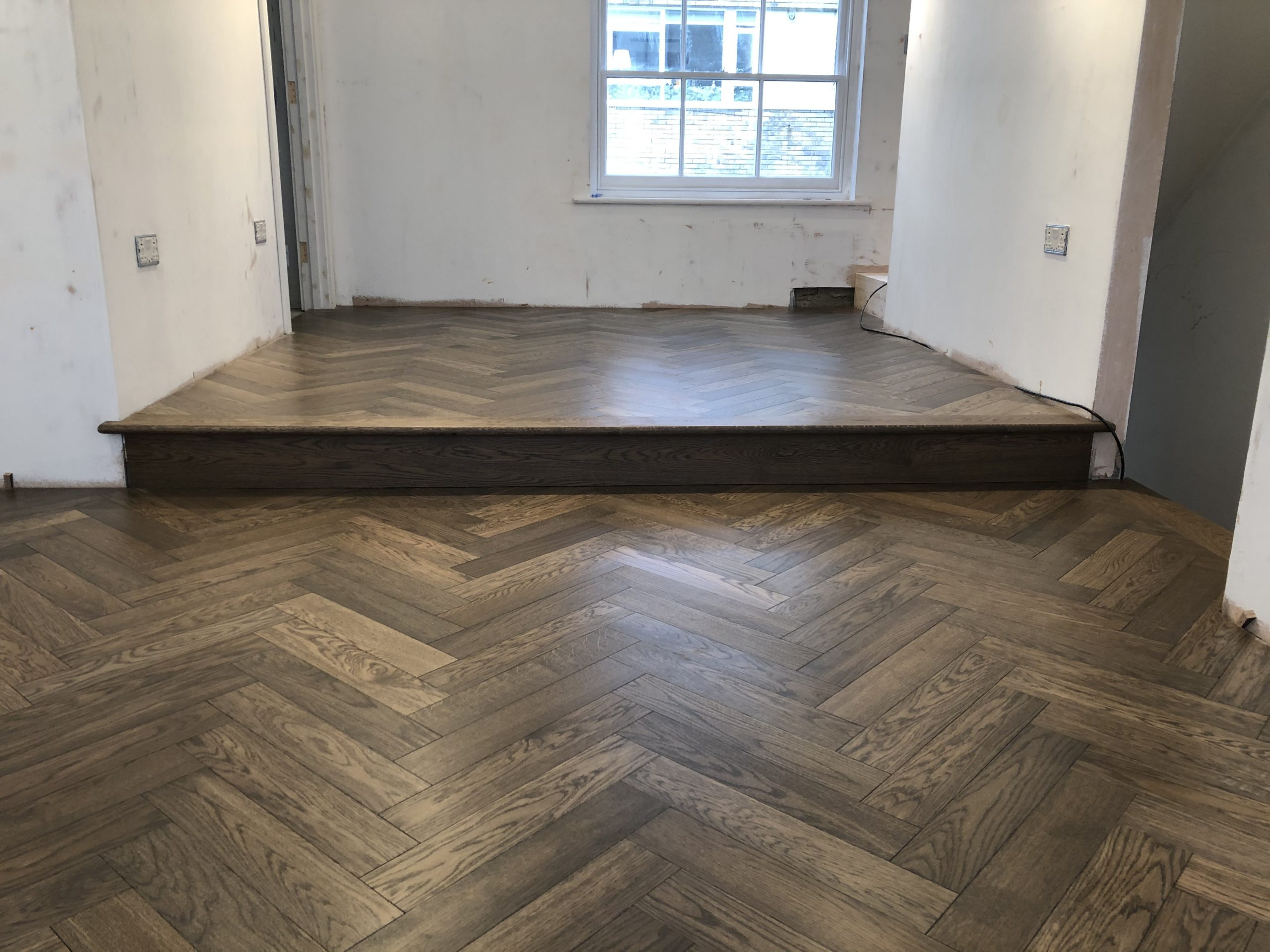
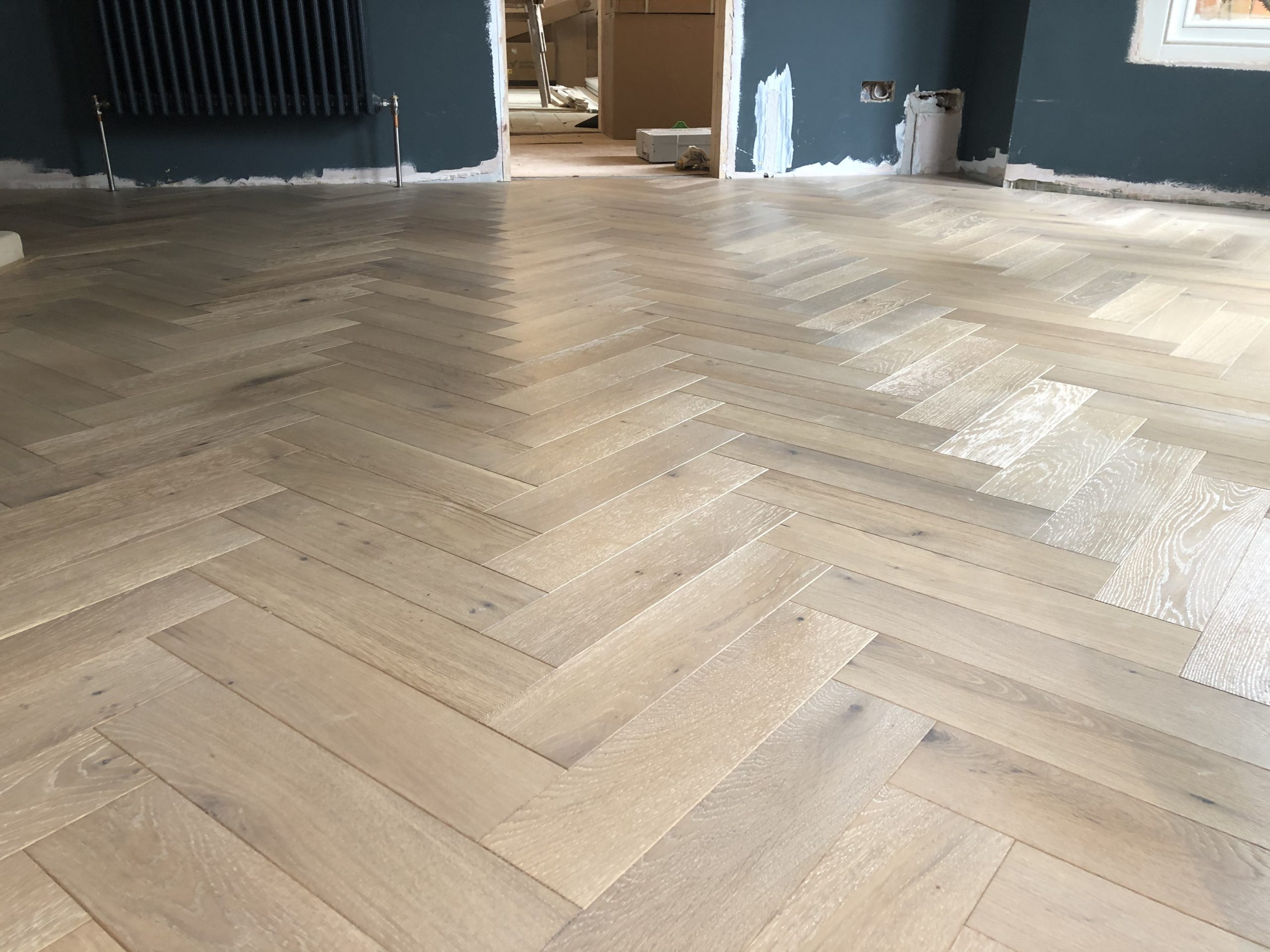
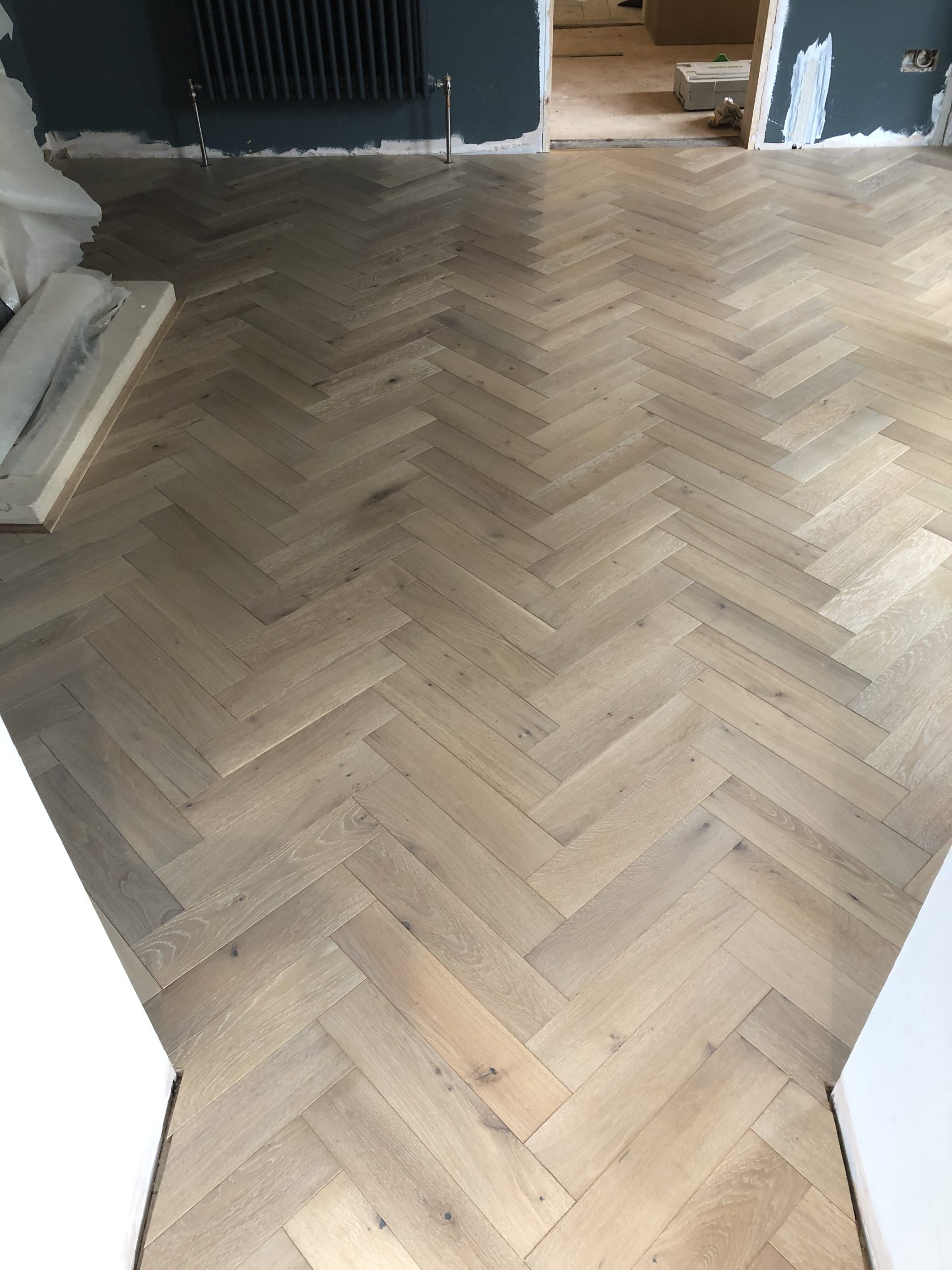
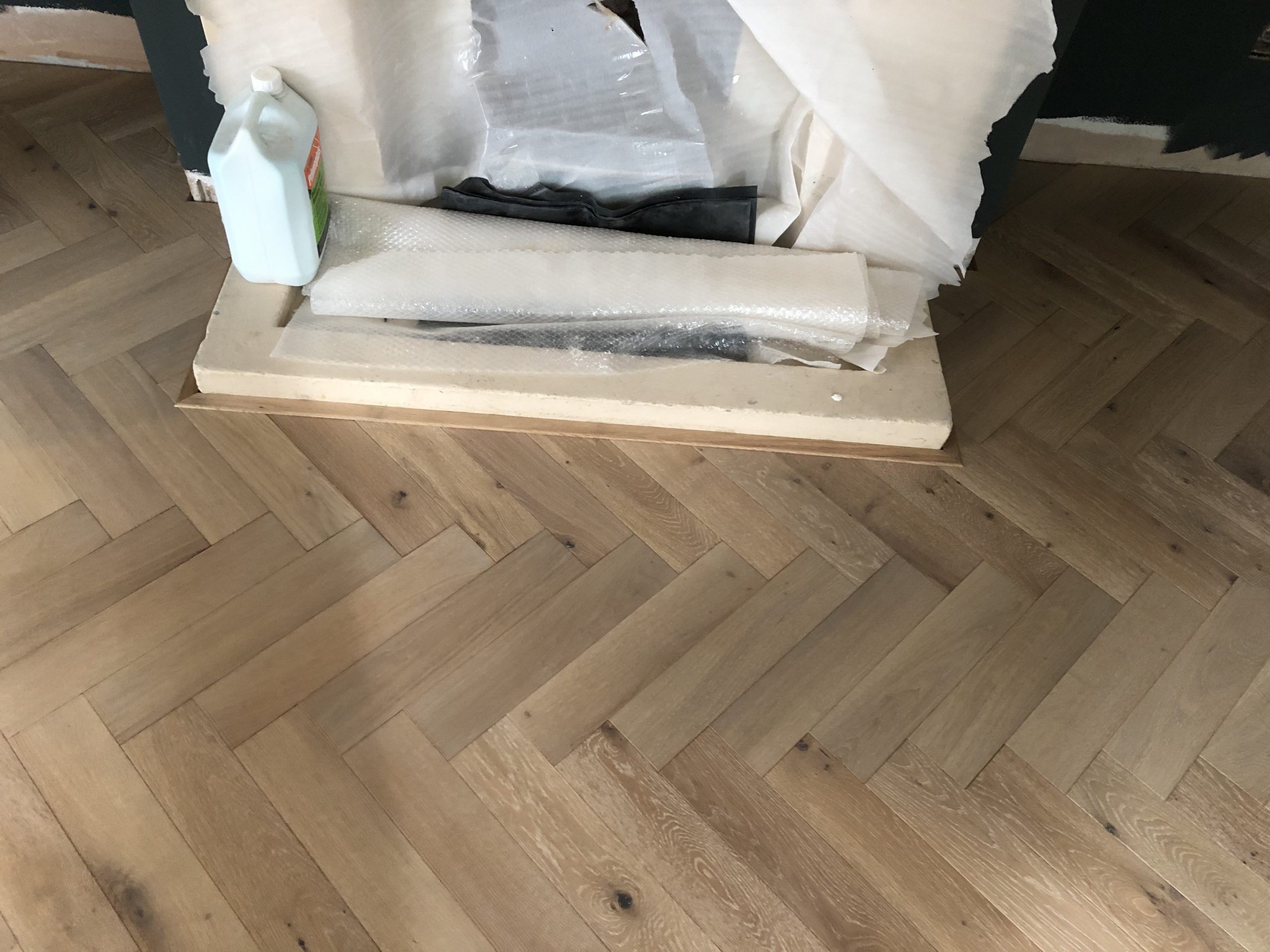
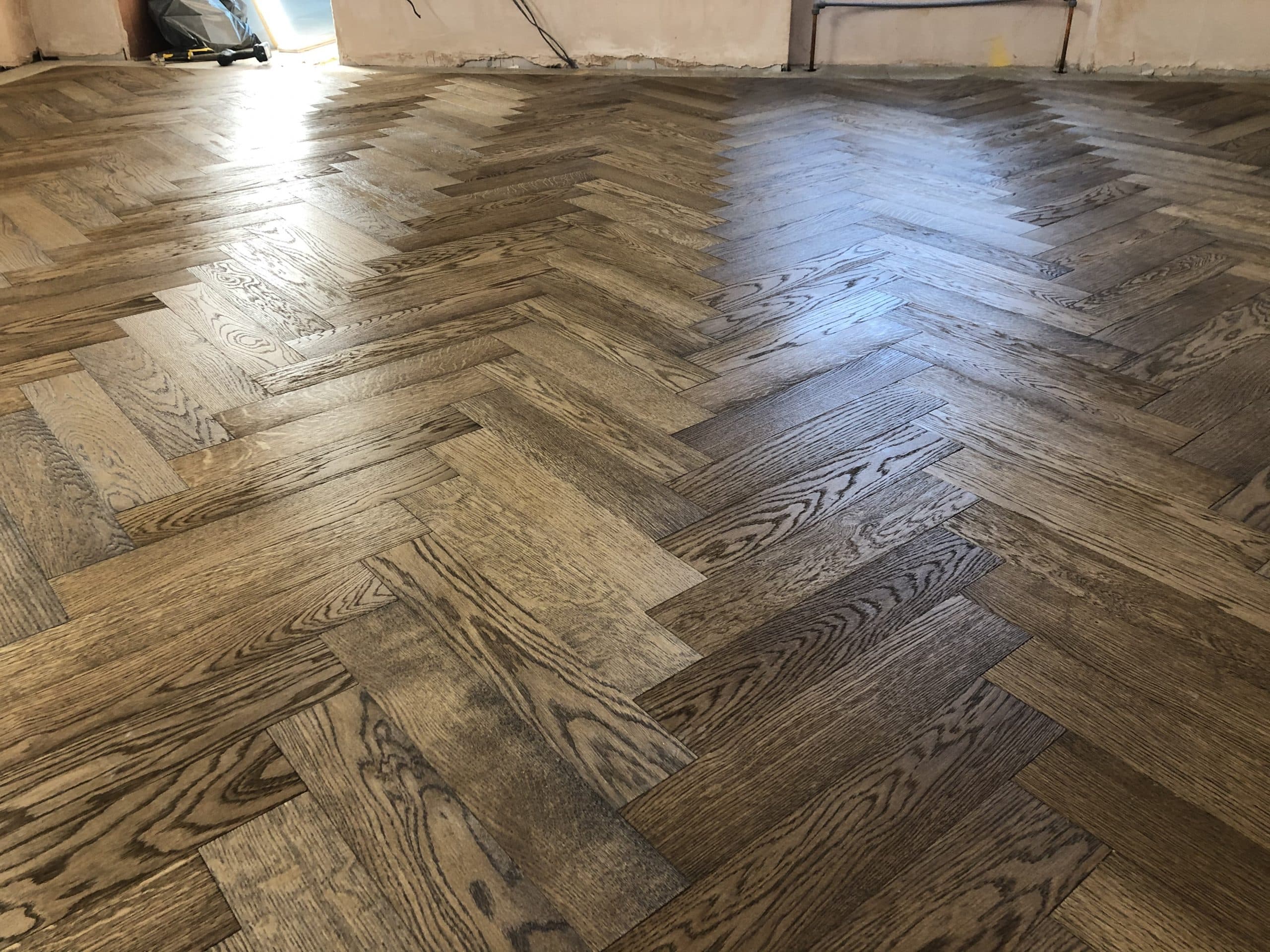
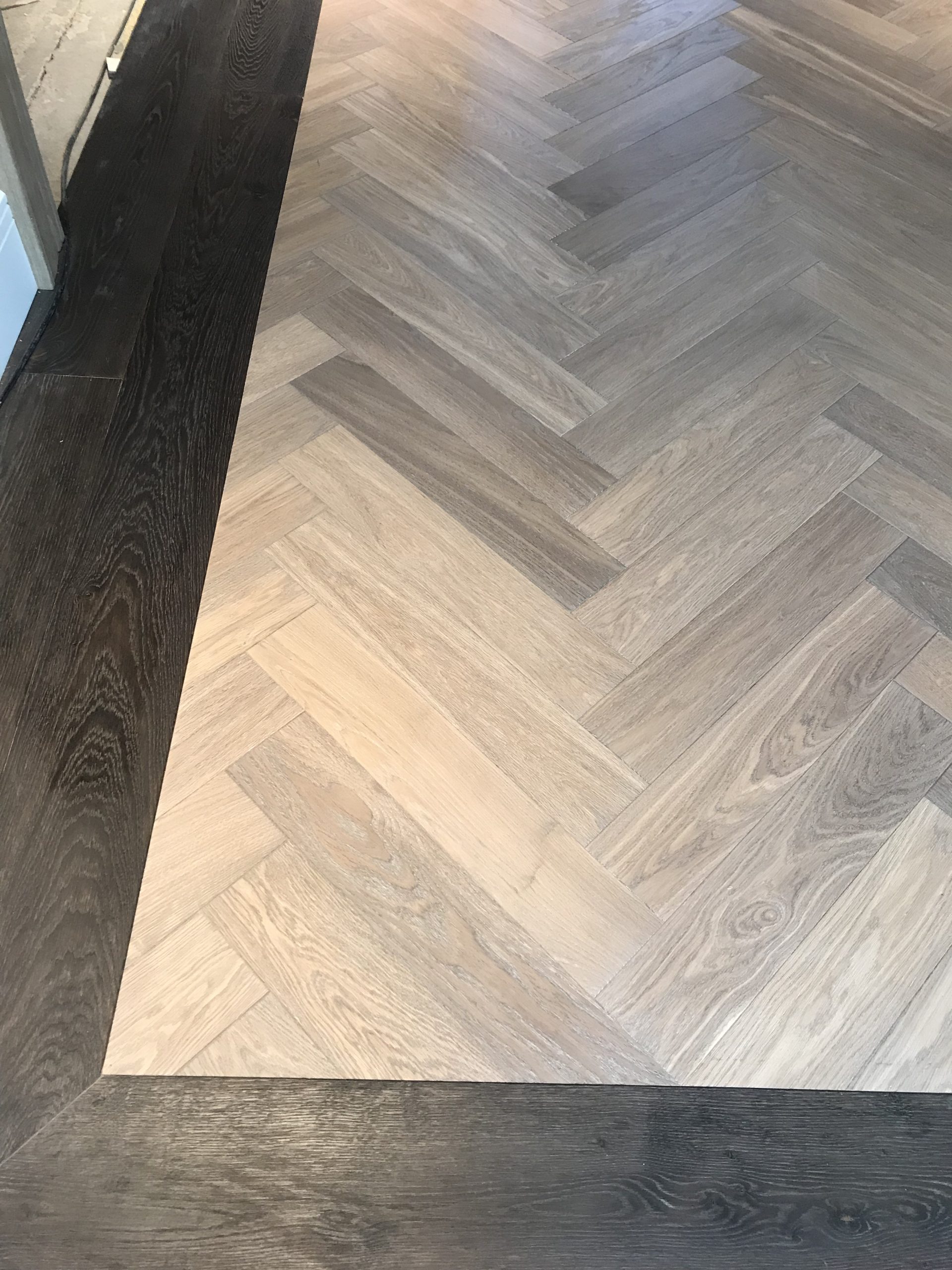
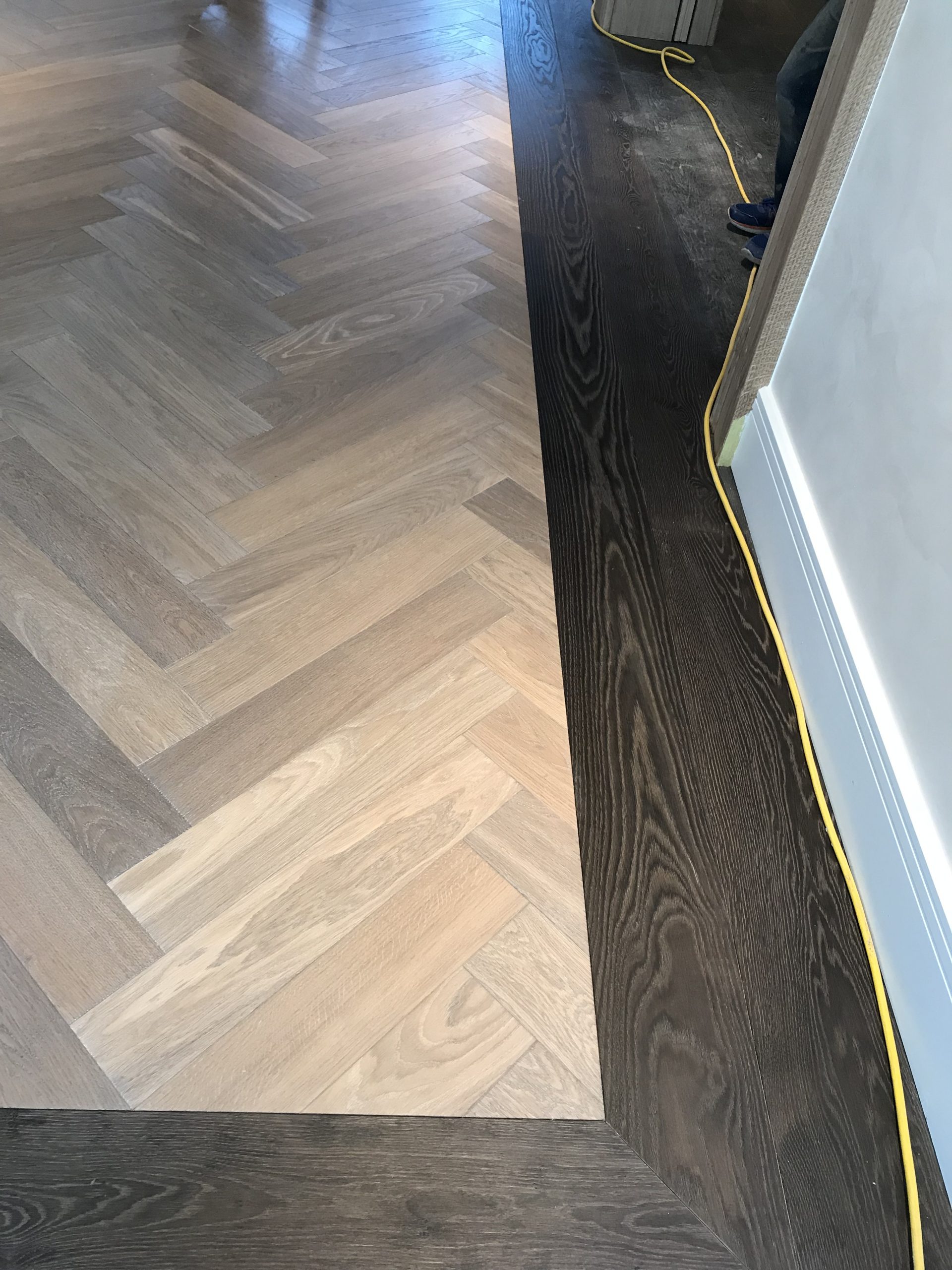
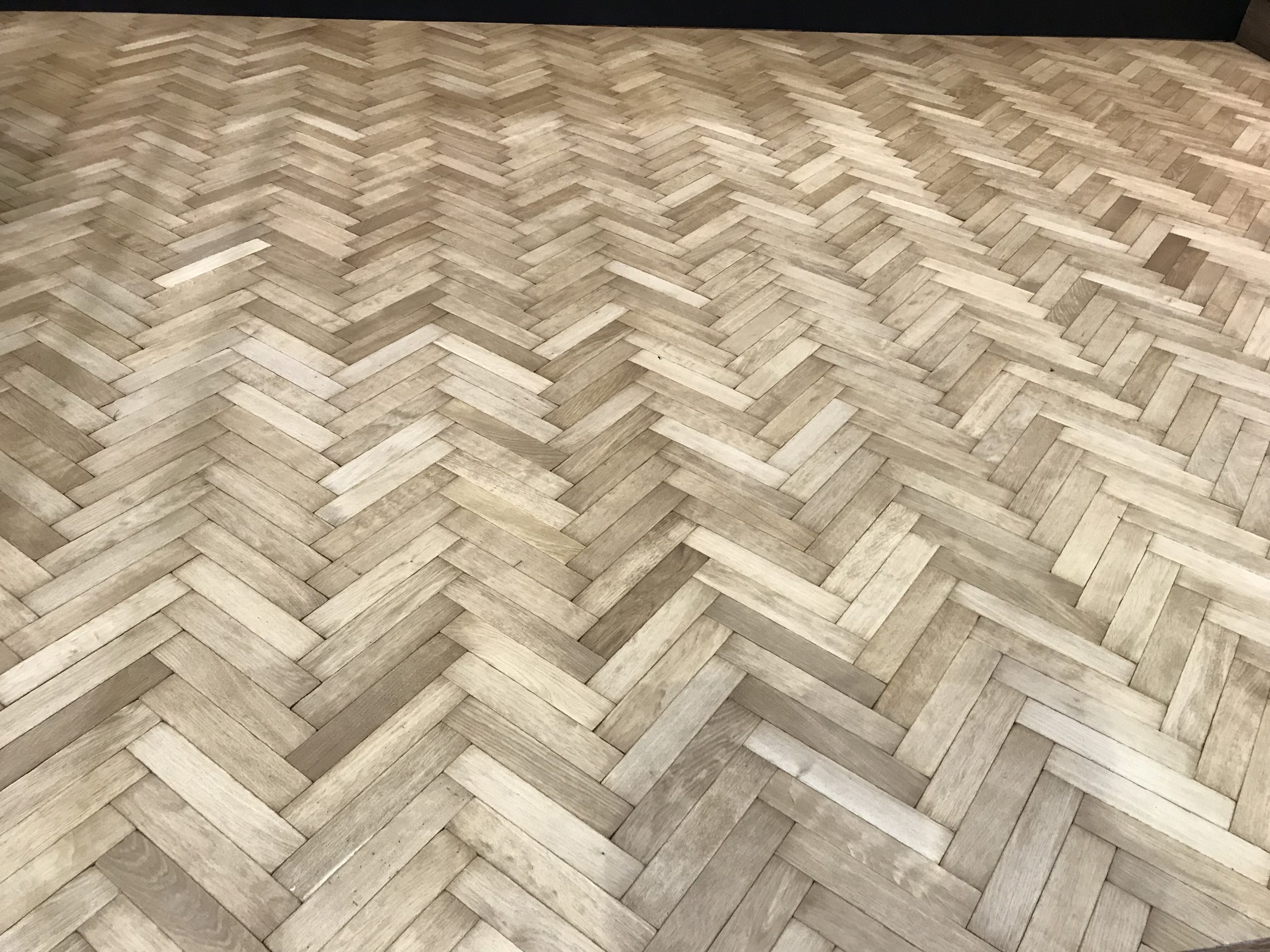
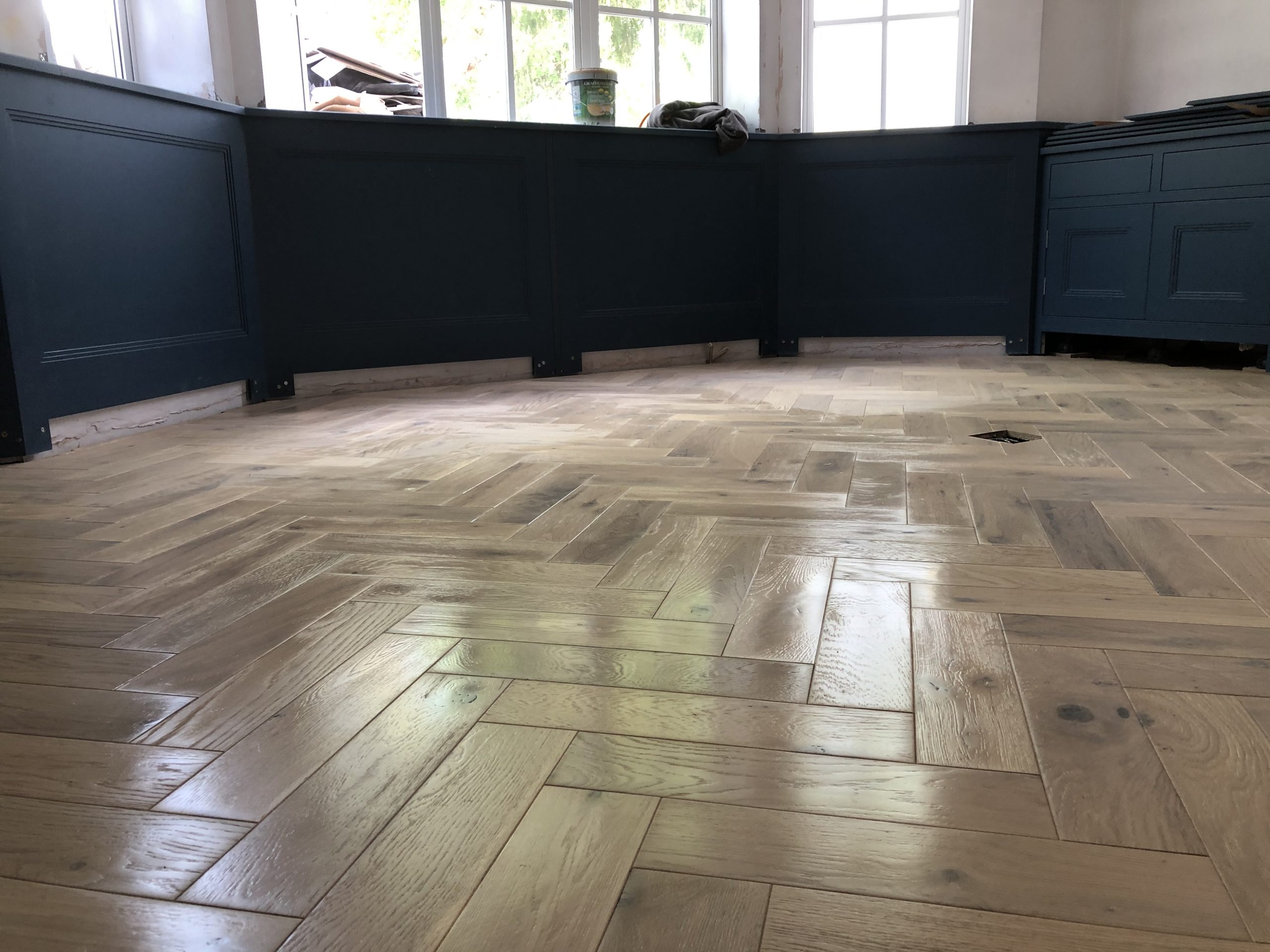
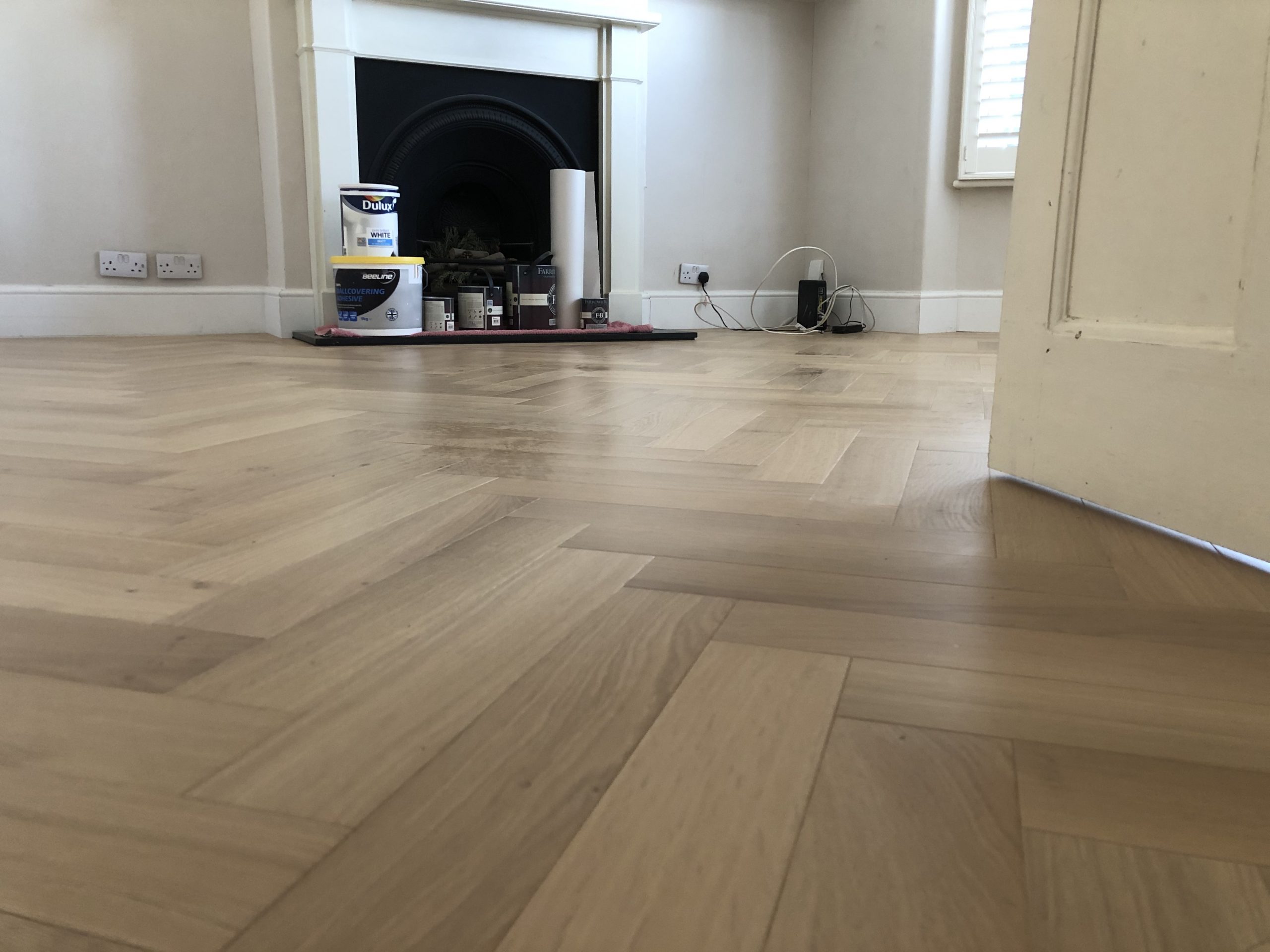
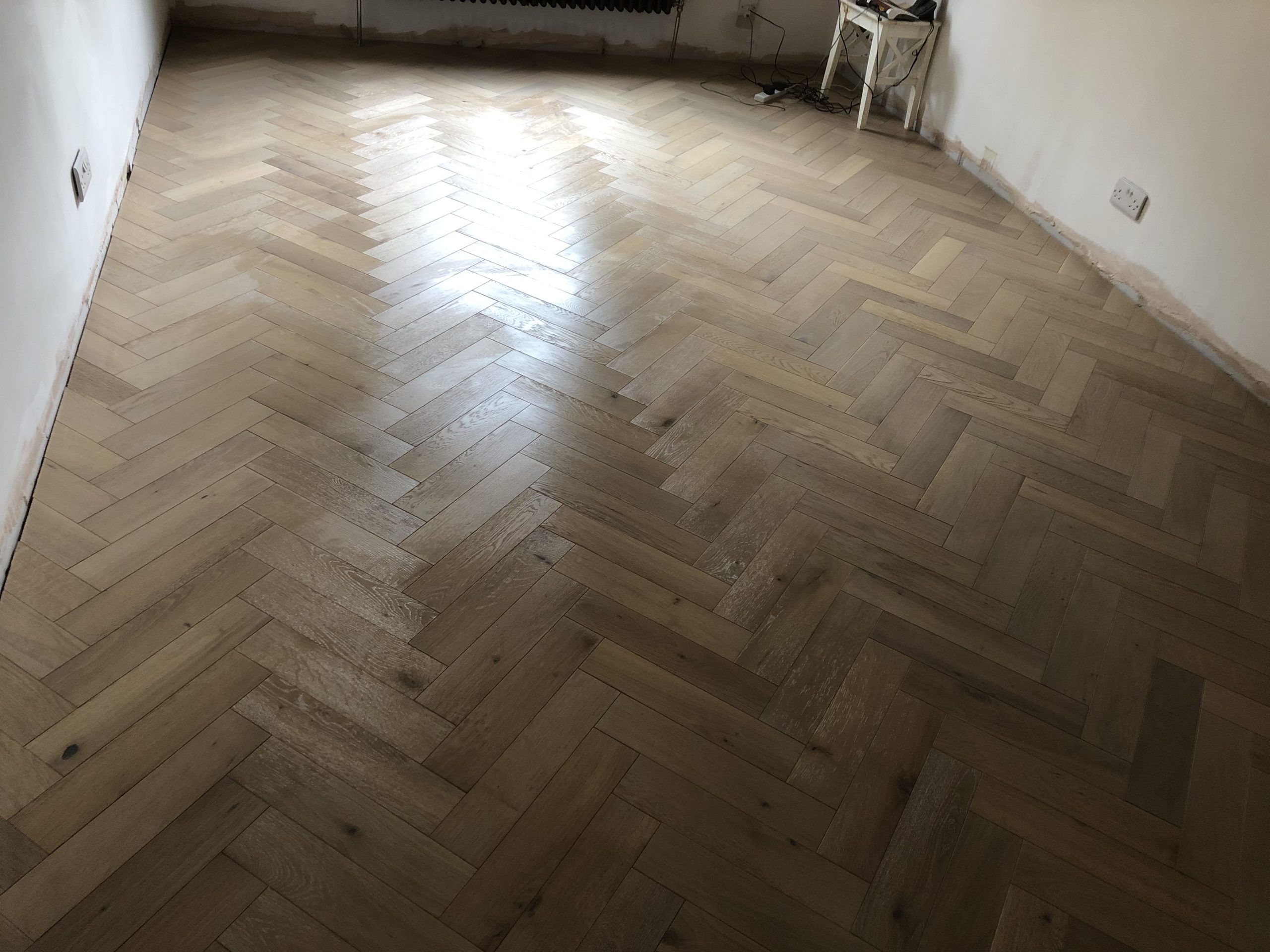
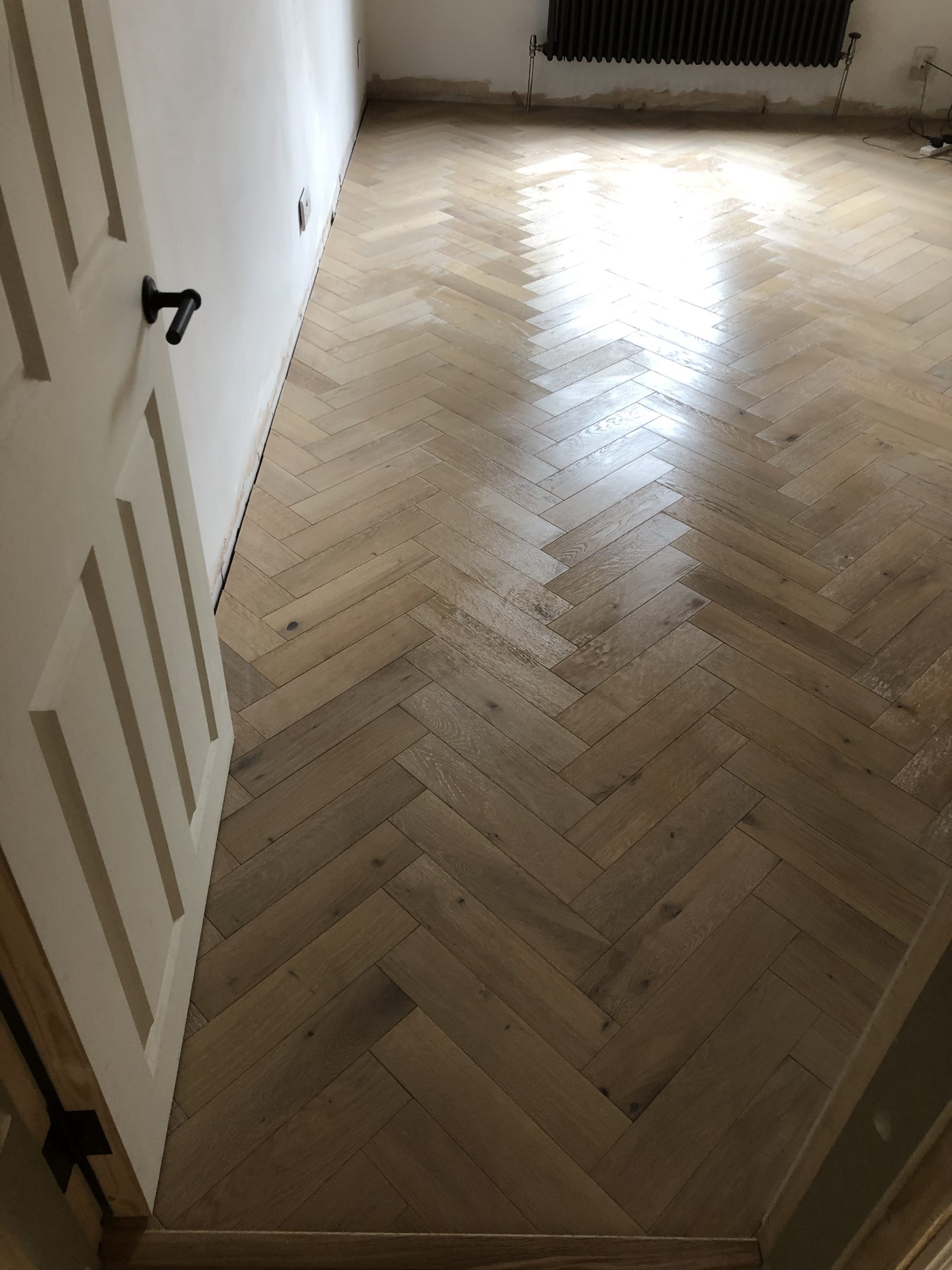
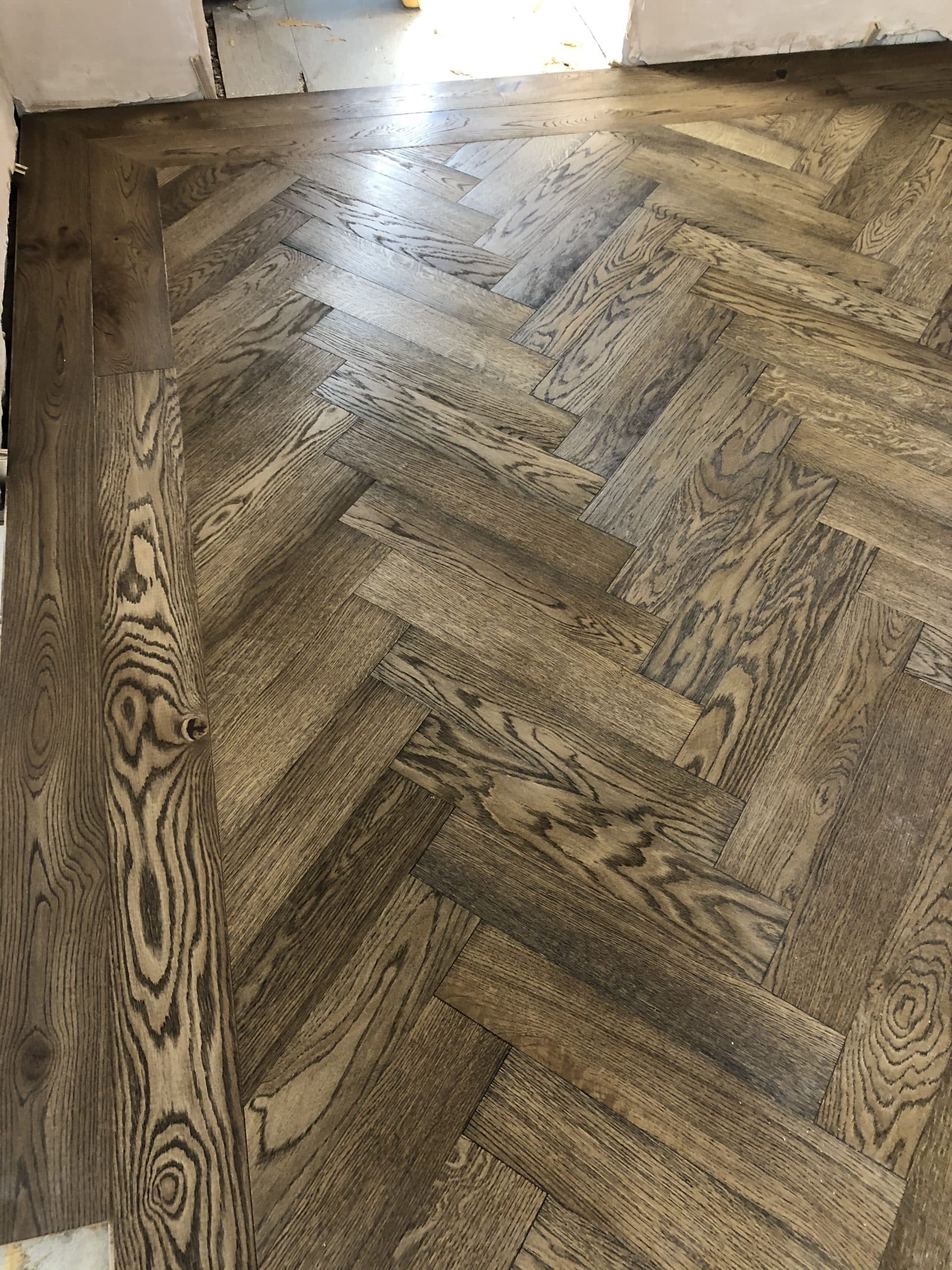
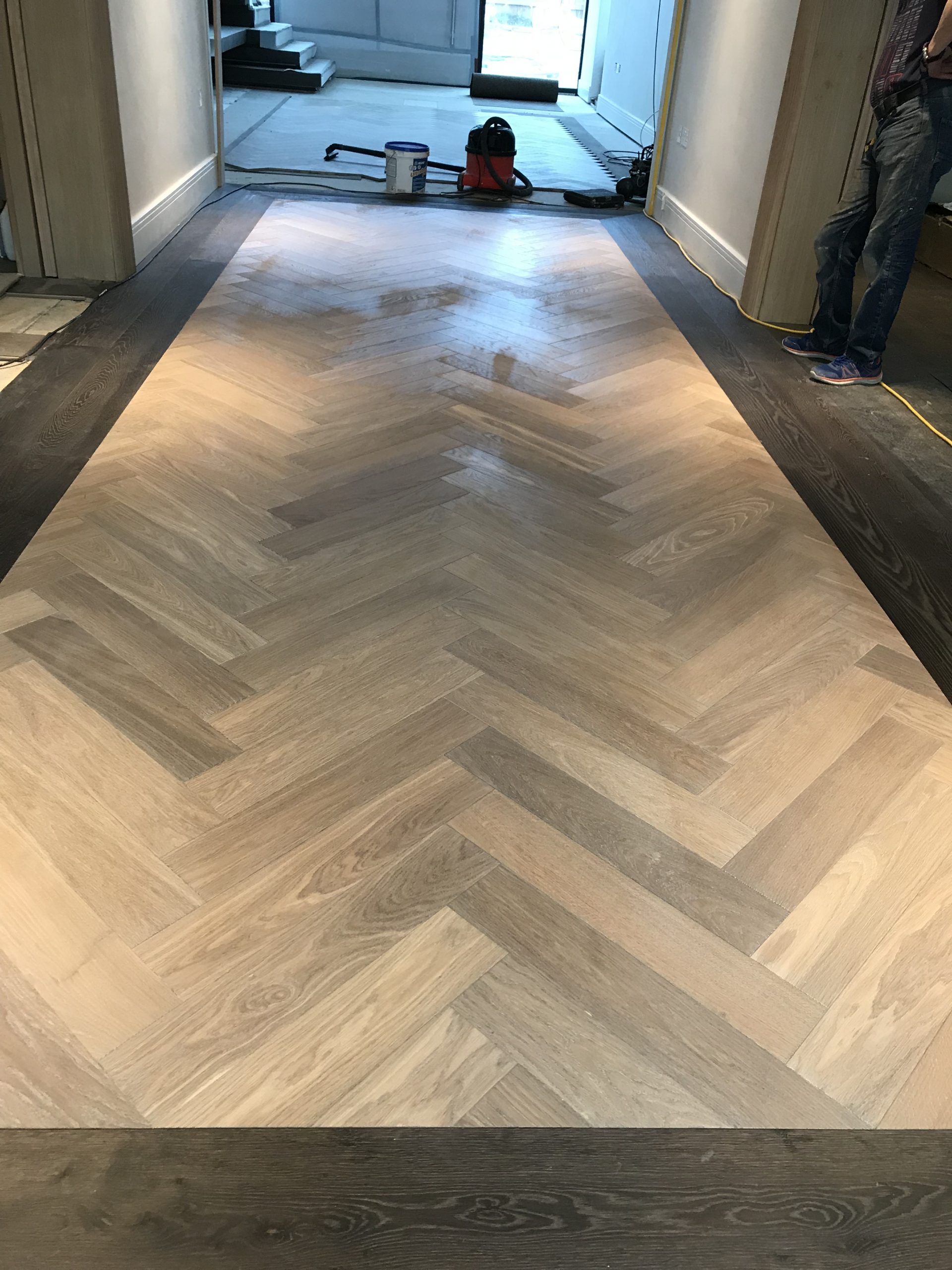
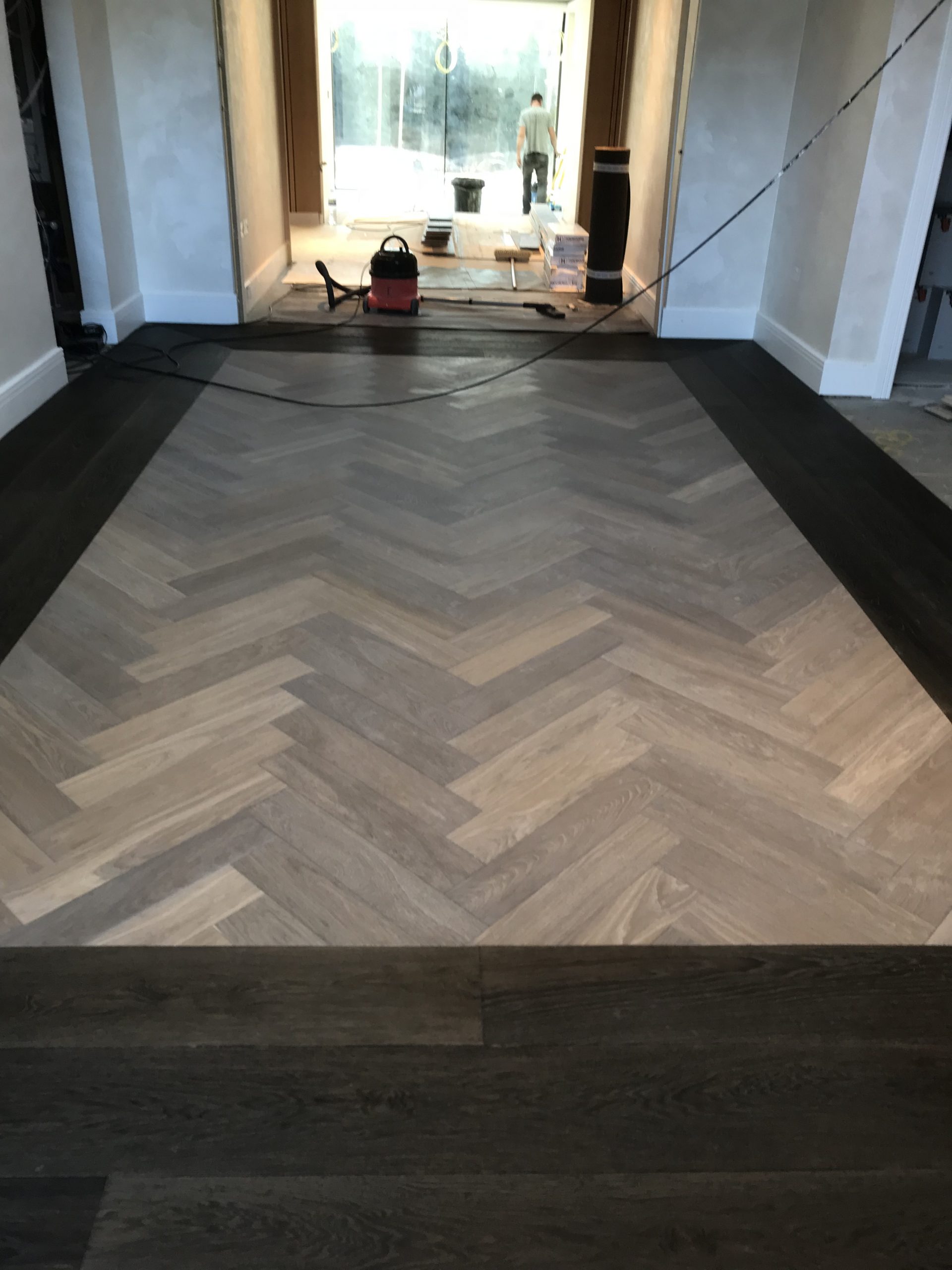
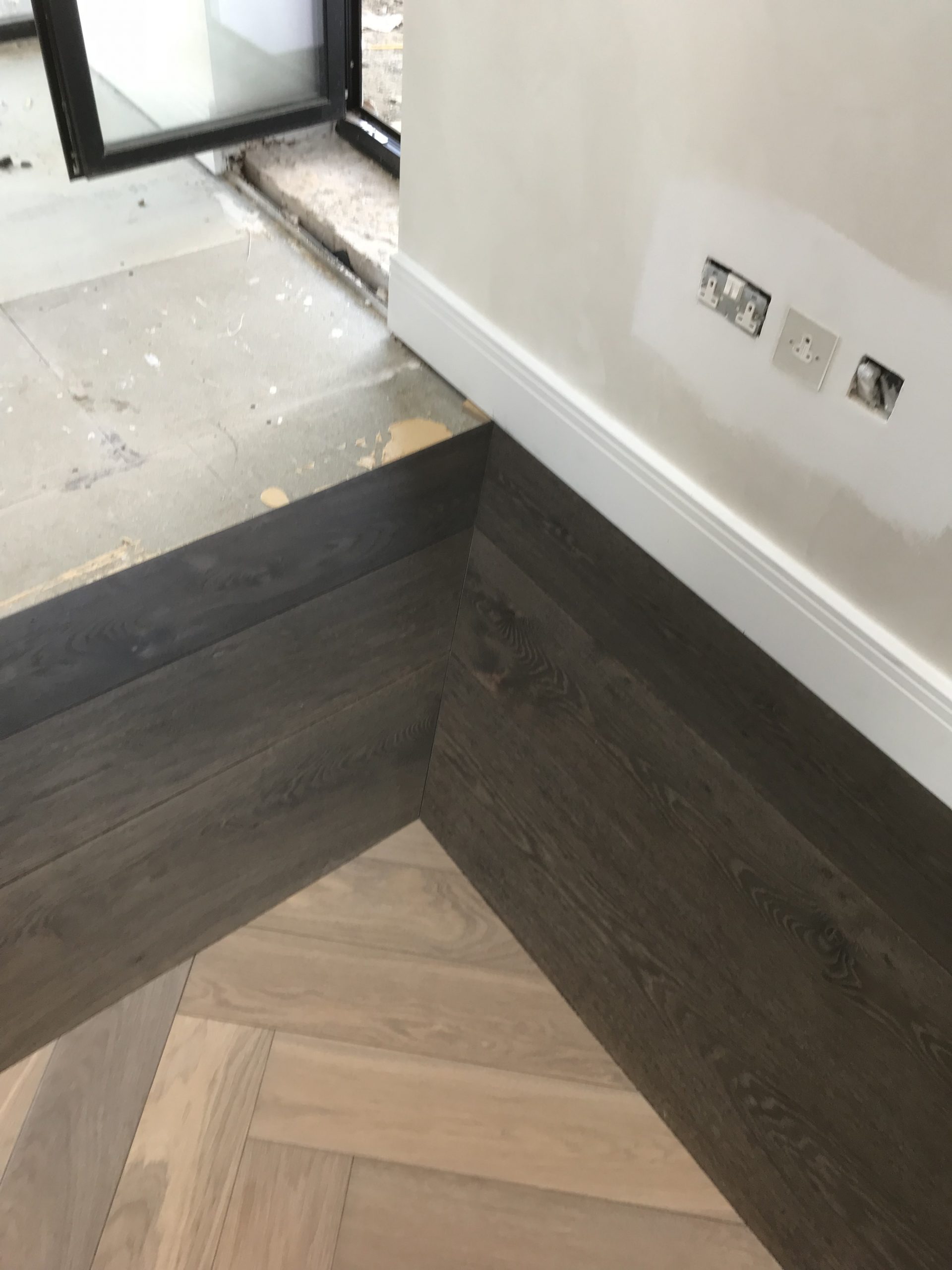
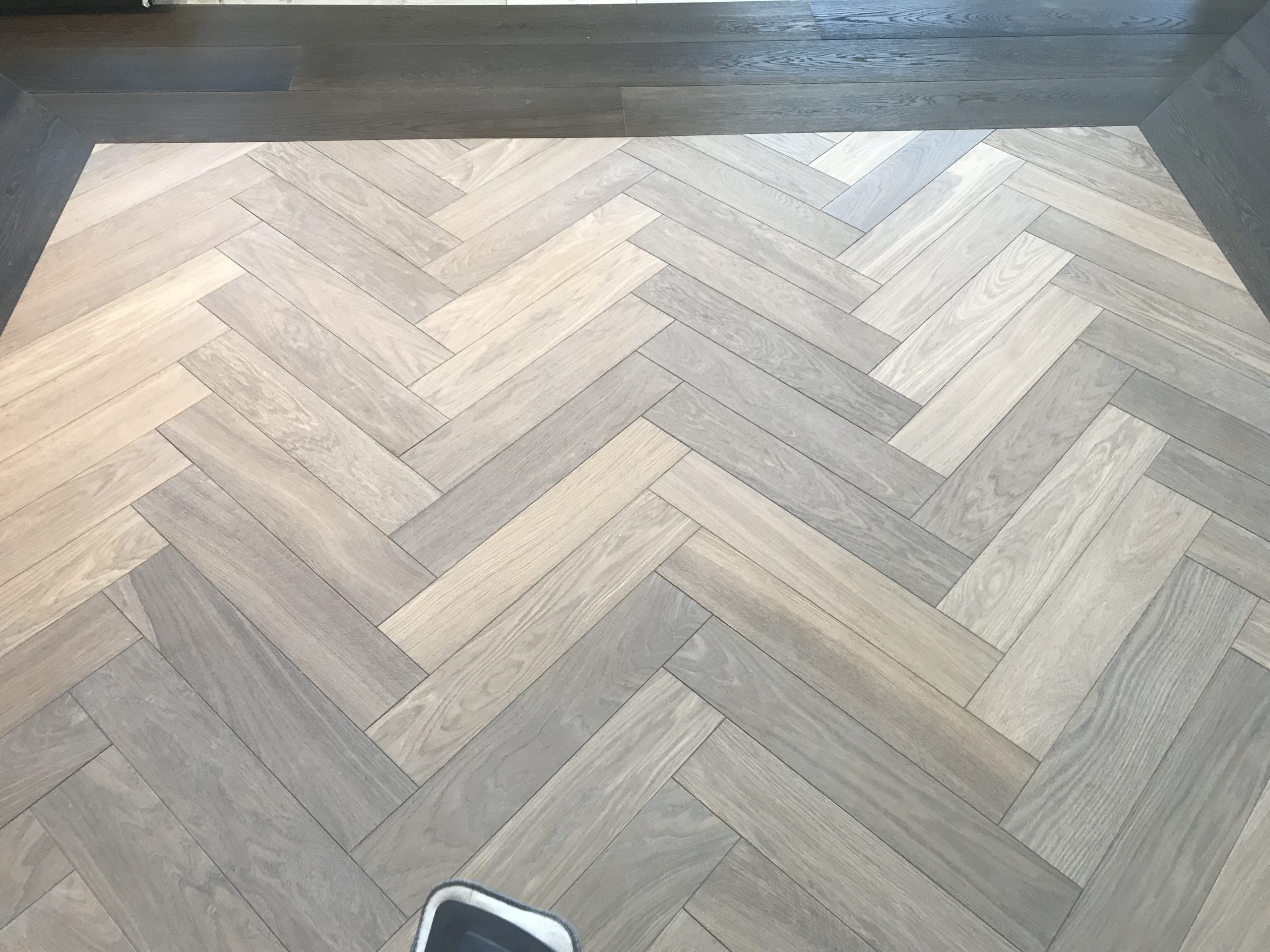
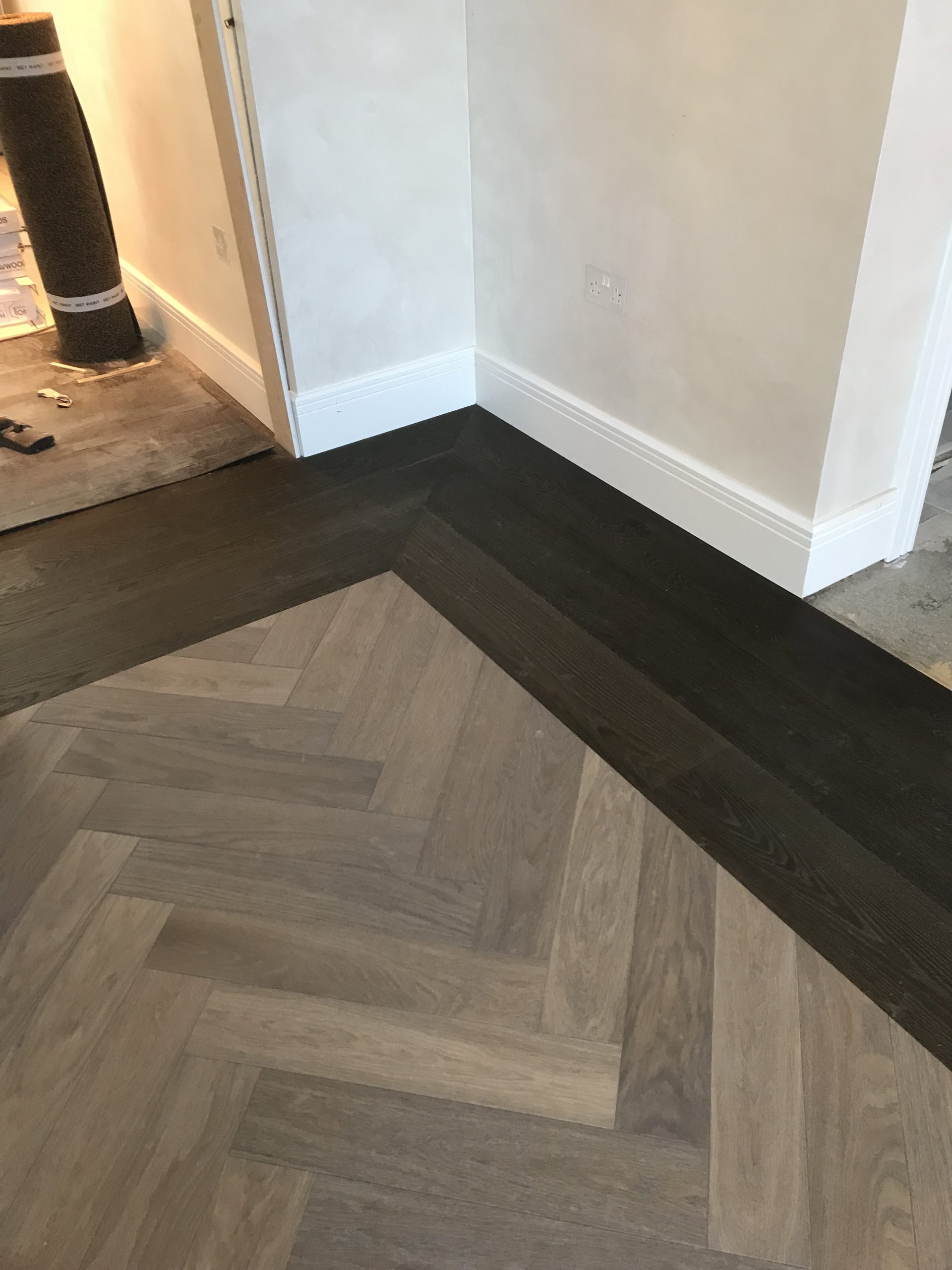
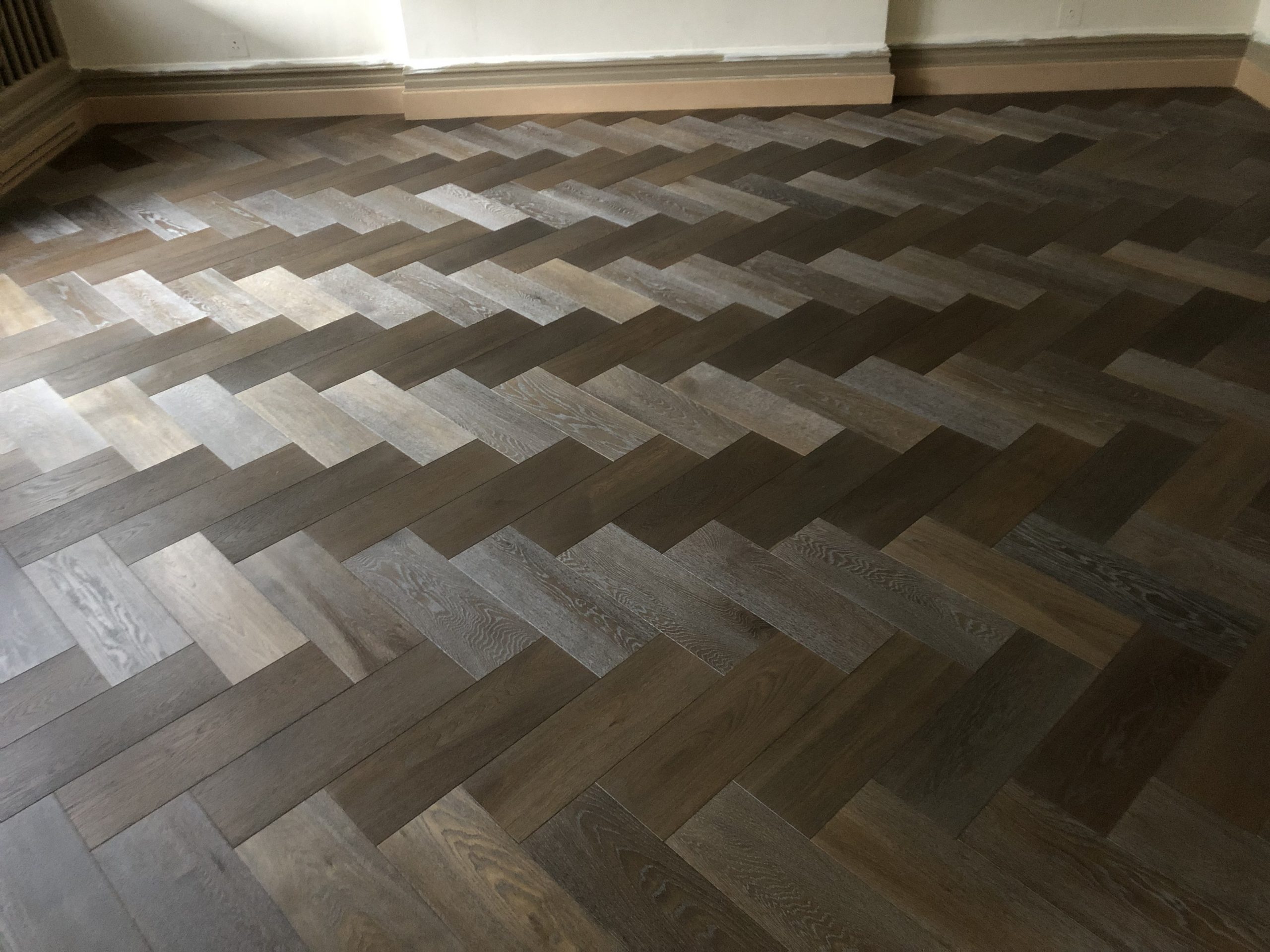
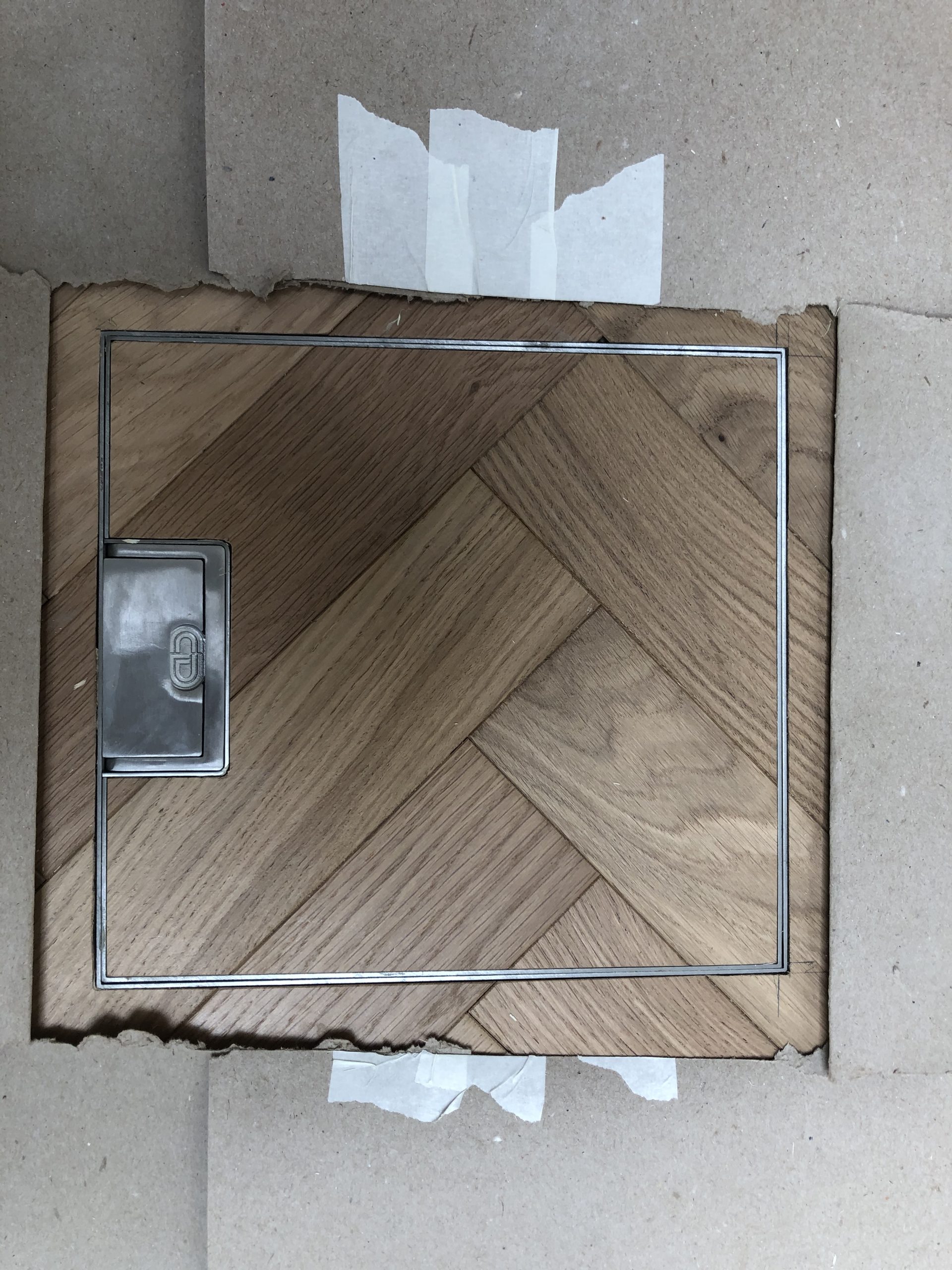
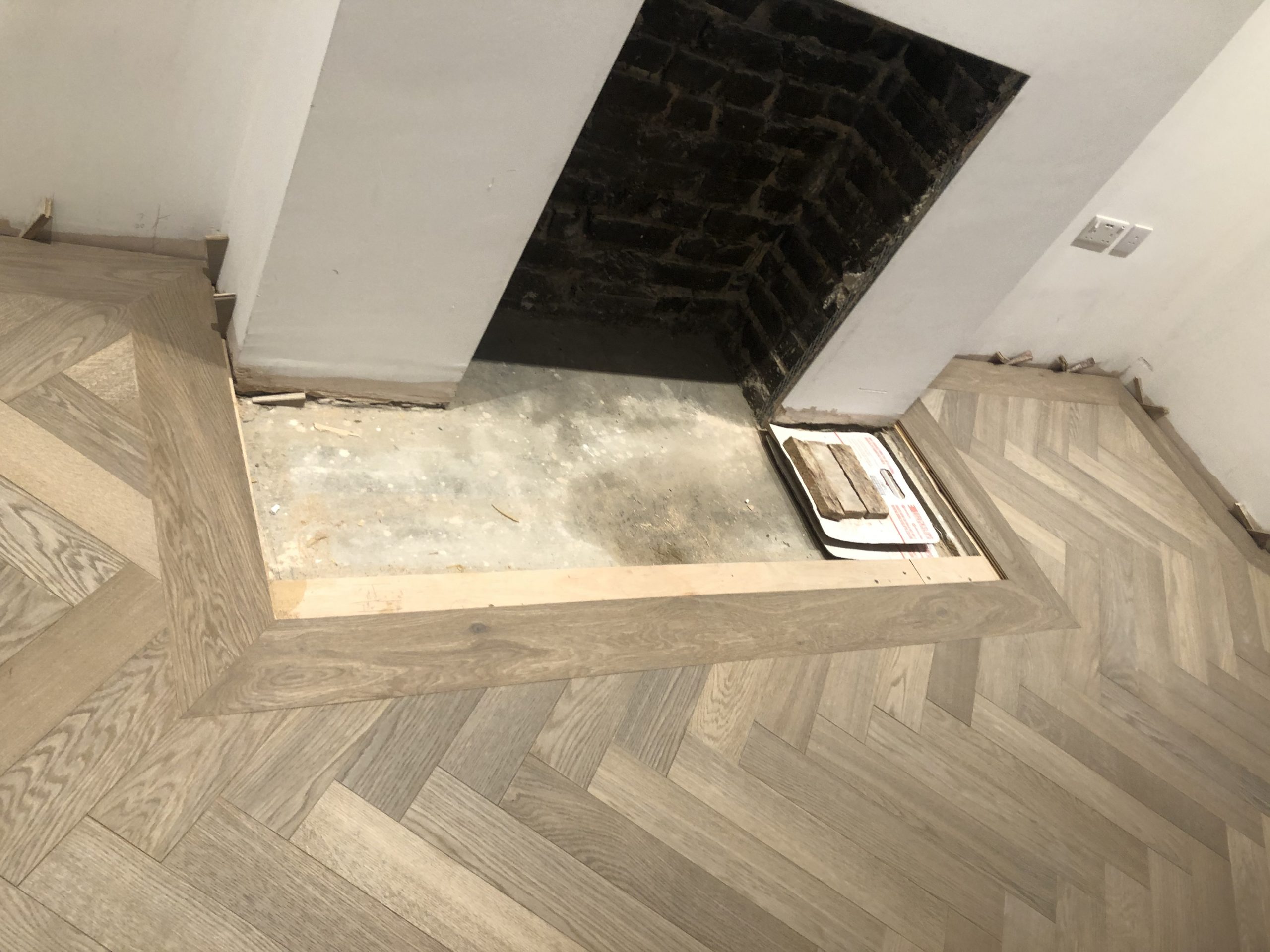
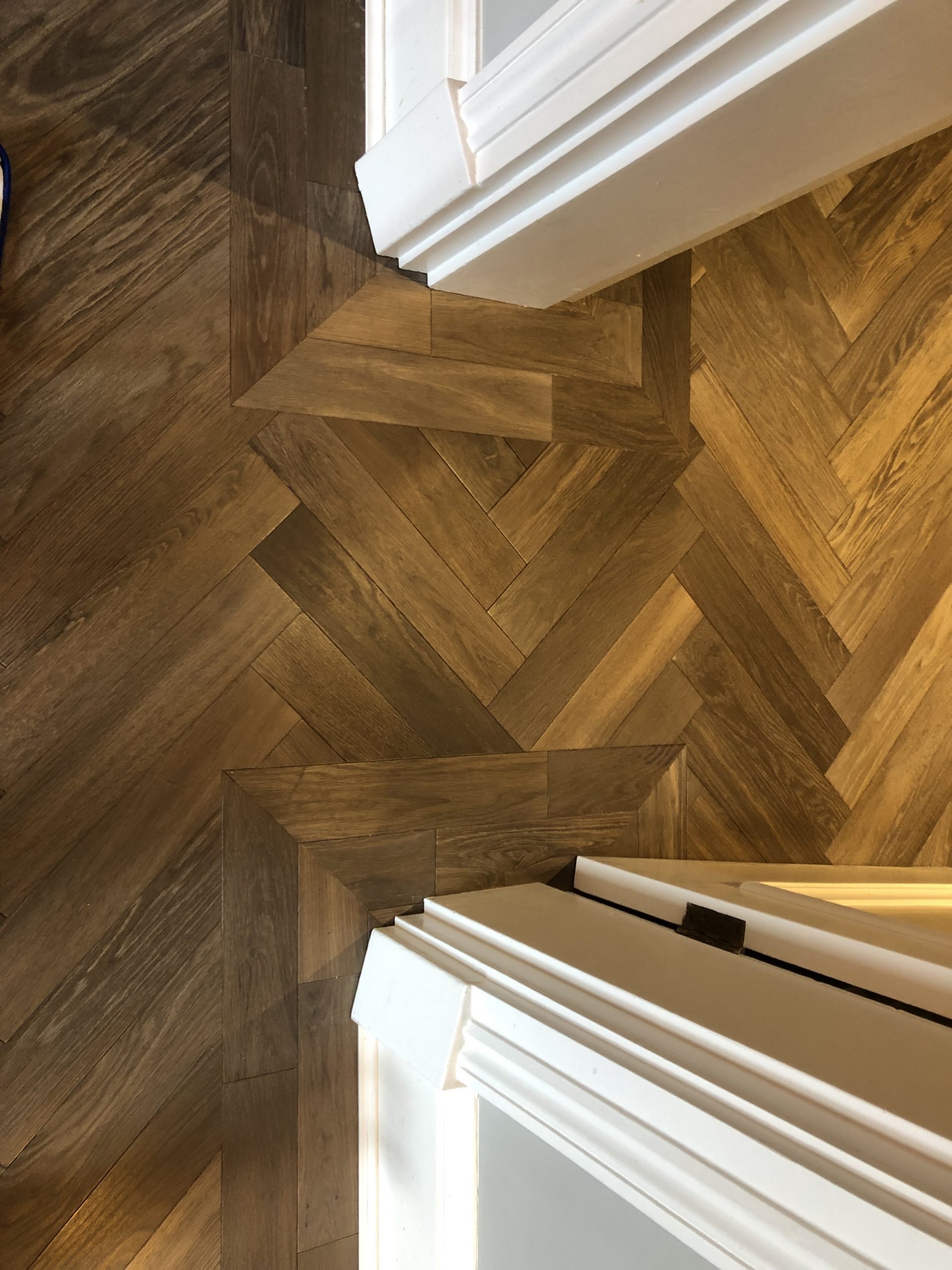
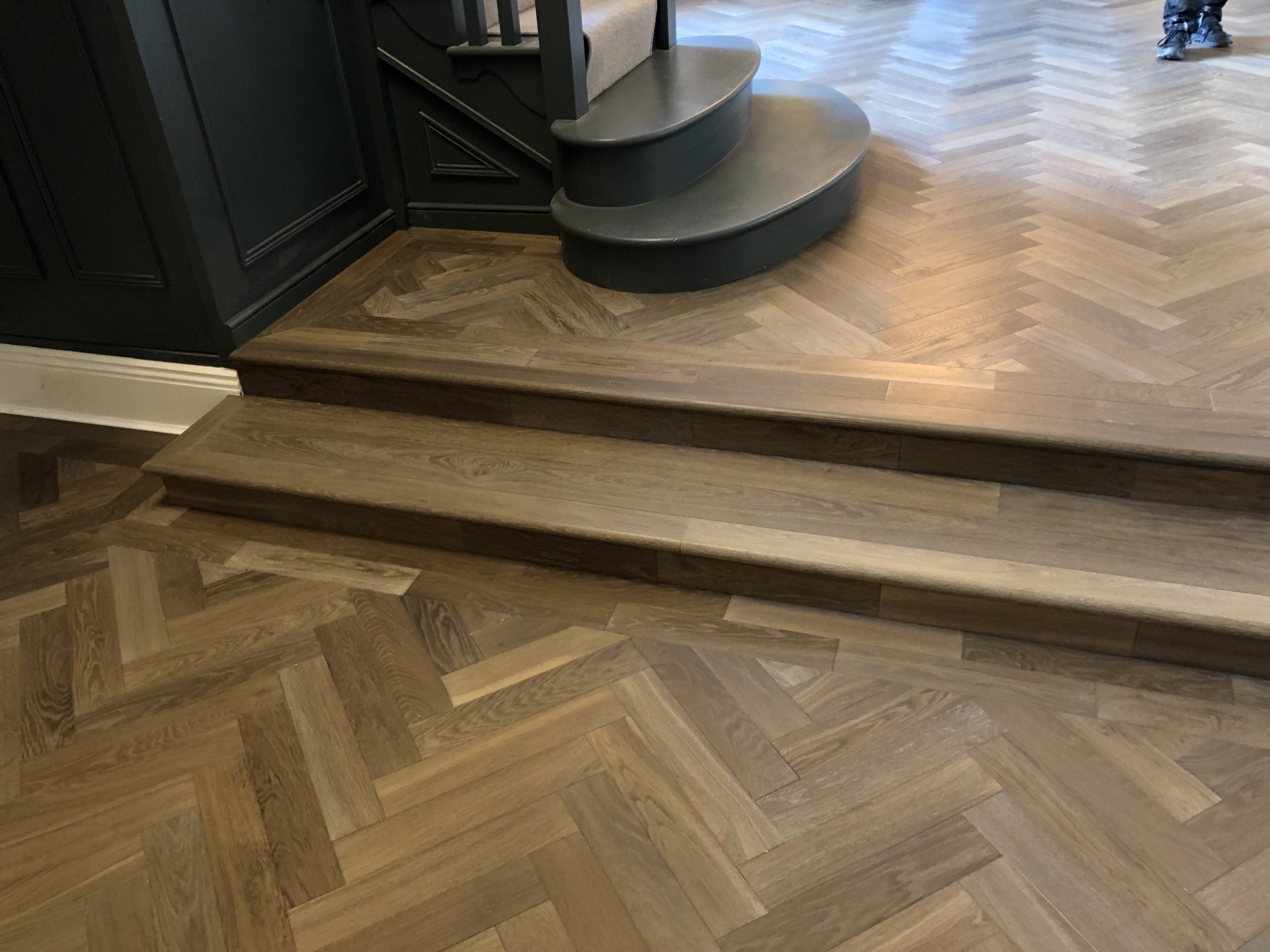
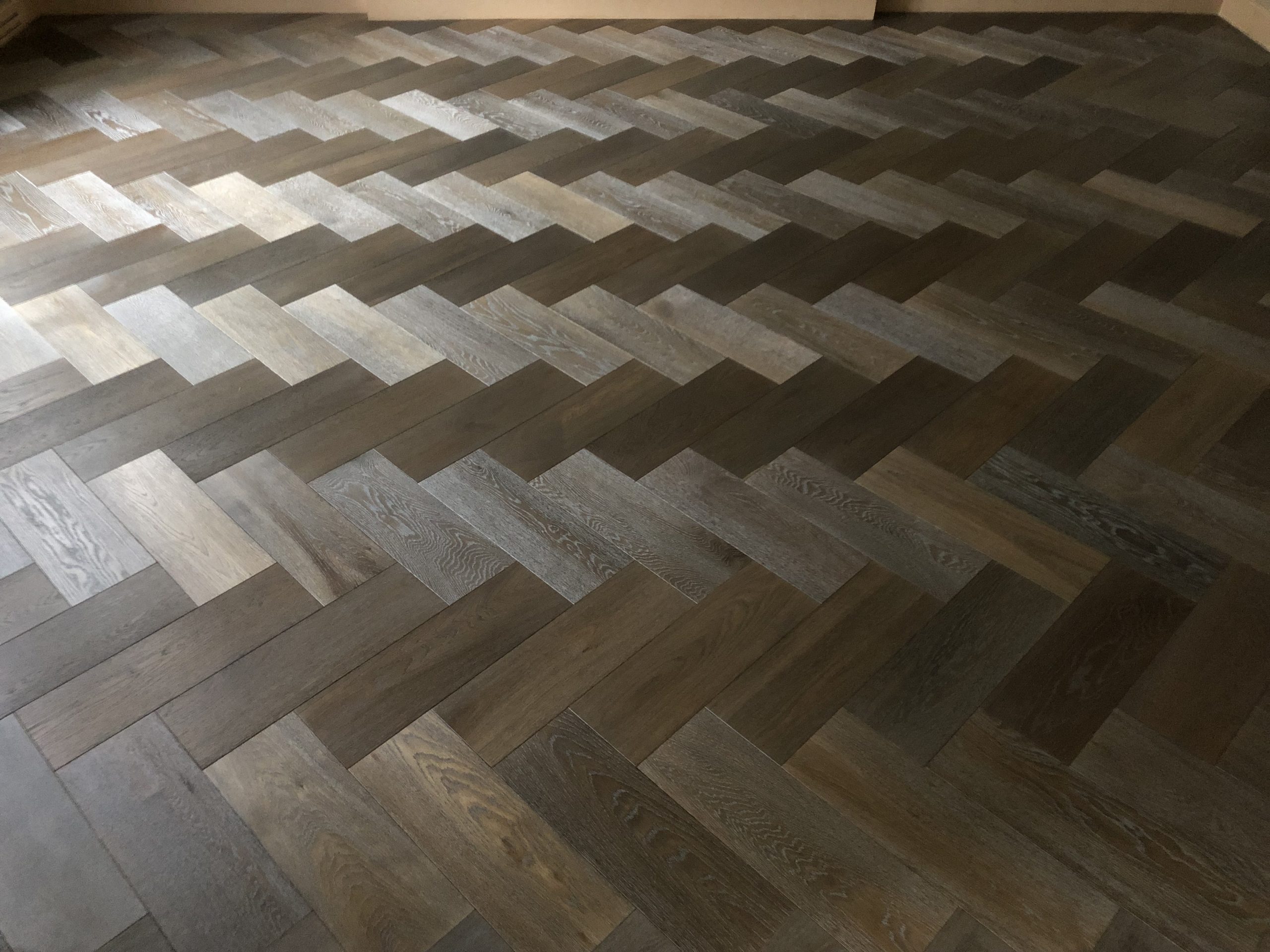
Herringbone flooring, which is also known as parquet block flooring is one of the most distinctive and recognisable hardwood floors.
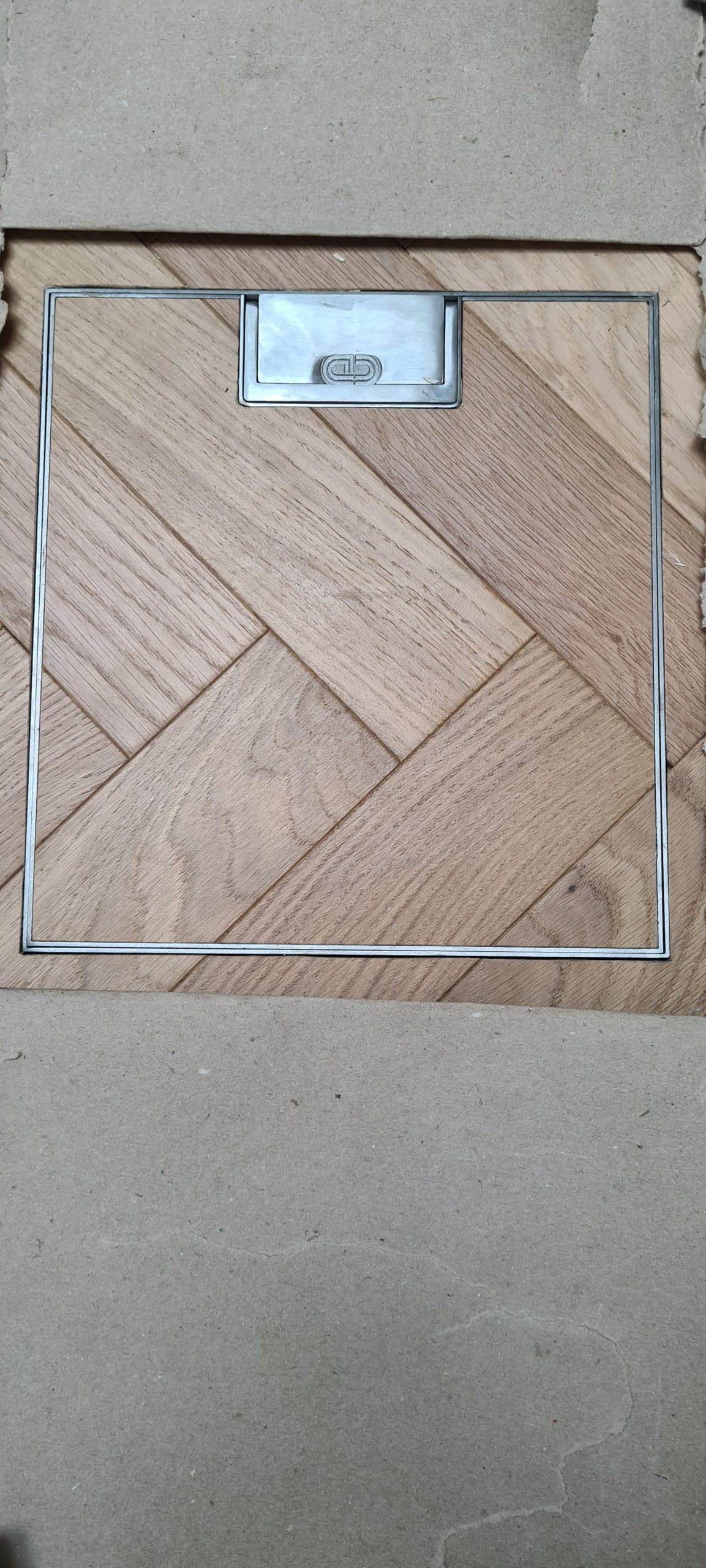
Rather than planks of flooring, the herringbone pattern is made up of smaller blocks of flooring that can be laid in a variety of geometric patterns, with the most common pattern being herringbone.
It is important to remember that ‘herringbone’ refers to the pattern and style of flooring and not the colour or surface finish.
To create your herringbone effect you are able to choose your floor colour (the species of wood) and surface finish to match or complement your room.
Herringbone
Herringbone
Herringbone
Herringbone
Herringbone
Herringbone
Herringbone
Herringbone
Herringbone
Herringbone
Herringbone
Herringbone
Herringbone
Herringbone
Herringbone
Herringbone
Herringbone
Herringbone
Design and Aesthetic Appeal
Herringbone flooring is celebrated for its sophisticated visual impact and versatility.
The pattern itself, characterized by its interlocking zigzag motif, adds depth and dimension to any space.
This geometric precision not only creates a sense of movement and flow but also contributes to the illusion of a larger, more expansive room. The aesthetic appeal of herringbone flooring lies in its balance between traditional elegance and modern flair, making it suitable for a wide range of interior design styles from classic to contemporary.
The pattern’s ability to integrate with different color schemes and furniture styles further enhances its appeal. Lighter wood tones can brighten a room and create an airy, open feel, while darker woods add warmth and richness. Moreover, the direction in which the pattern runs can influence the room’s visual perception, leading to strategic design considerations for optimizing space and flow. The unique aesthetic qualities of herringbone flooring, coupled with its design flexibility, make it an enduring choice for those seeking to elevate their interior spaces.
Gallery
Herringbone
Herringbone
Herringbone
Herringbone
Herringbone
Herringbone
Herringbone
Herringbone
Herringbone
Herringbone
Herringbone
Herringbone
Herringbone
Herringbone
Herringbone
Herringbone
Herringbone
Herringbone
Herringbone
Herringbone
Herringbone
Herringbone
Herringbone
Herringbone
Herringbone
Herringbone
Herringbone
Herringbone
Herringbone
Herringbone
Herringbone
Herringbone
Herringbone
Herringbone
Herringbone
Herringbone
Herringbone
Types of Herringbone Flooring
Herringbone flooring comes in a variety of materials, each offering distinct characteristics and benefits. The traditional choice is solid hardwood, revered for its durability, natural beauty, and the ability to be refinished multiple times. Hardwood types commonly used include oak, walnut, cherry, and maple, each adding its unique grain and color to the pattern’s overall look.
Engineered wood is another popular option for herringbone flooring. Comprising a hardwood veneer atop multiple layers of plywood or HDF, engineered wood provides the beauty of hardwood while offering greater stability and resistance to moisture. This makes it suitable for areas where solid wood might not be ideal, such as basements or over concrete slabs.
Luxury vinyl tile (LVT) and laminate offer more affordable and maintenance-friendly alternatives to real wood. These materials can closely mimic the look of natural wood and are durable, water-resistant, and easy to install. They are excellent choices for high-traffic areas and homes with pets or children.
Porcelain and ceramic tiles can also be laid in a herringbone pattern, offering a unique take on the design that is especially suited for bathrooms, kitchens, and other wet areas. These materials provide the pattern’s aesthetic appeal while ensuring water resistance and ease of cleaning.
Installation Process and Considerations
The installation of herringbone flooring is a meticulous process that requires precision and expertise, typically taking longer than standard flooring installations due to the complexity of the pattern. Depending on the size of the area and the experience of the installer, laying herringbone flooring can take anywhere from a few days to over a week. Key factors influencing the duration include the preparation of the subfloor, cutting of the planks to ensure a perfect fit, and the complexity of the layout, especially around corners and doorways.
This installation demands a higher level of skill and patience, primarily because each piece must be carefully measured, cut, and placed to maintain the integrity of the pattern. It is not uncommon for professional installers to use specialized tools and techniques to ensure the alignment and spacing are consistent throughout the space.
For those considering DIY installation, it’s essential to have a solid understanding of flooring installation techniques and the specific challenges presented by the herringbone pattern. Preparation, patience, and precision are paramount to achieving a beautiful and lasting result.