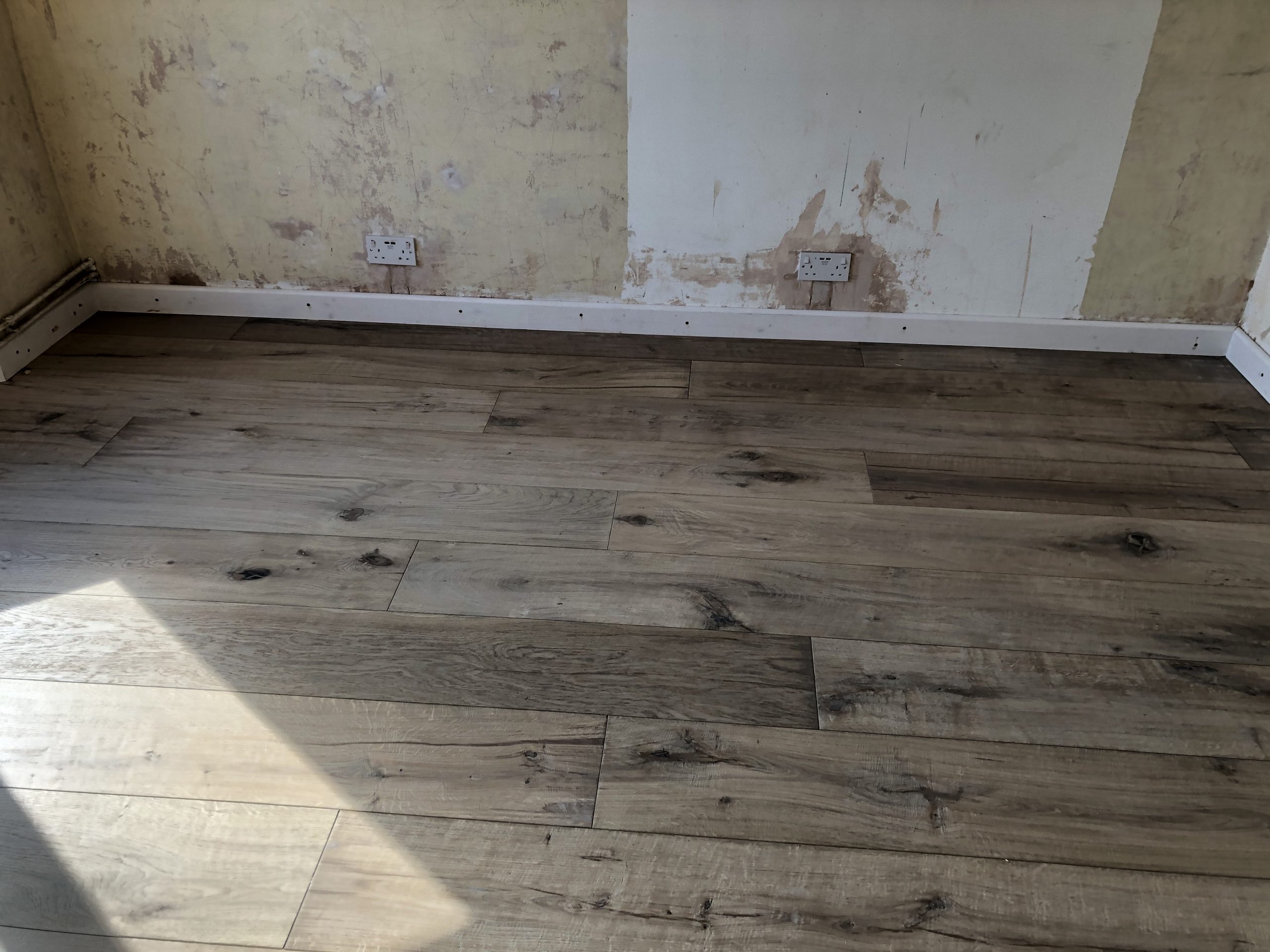
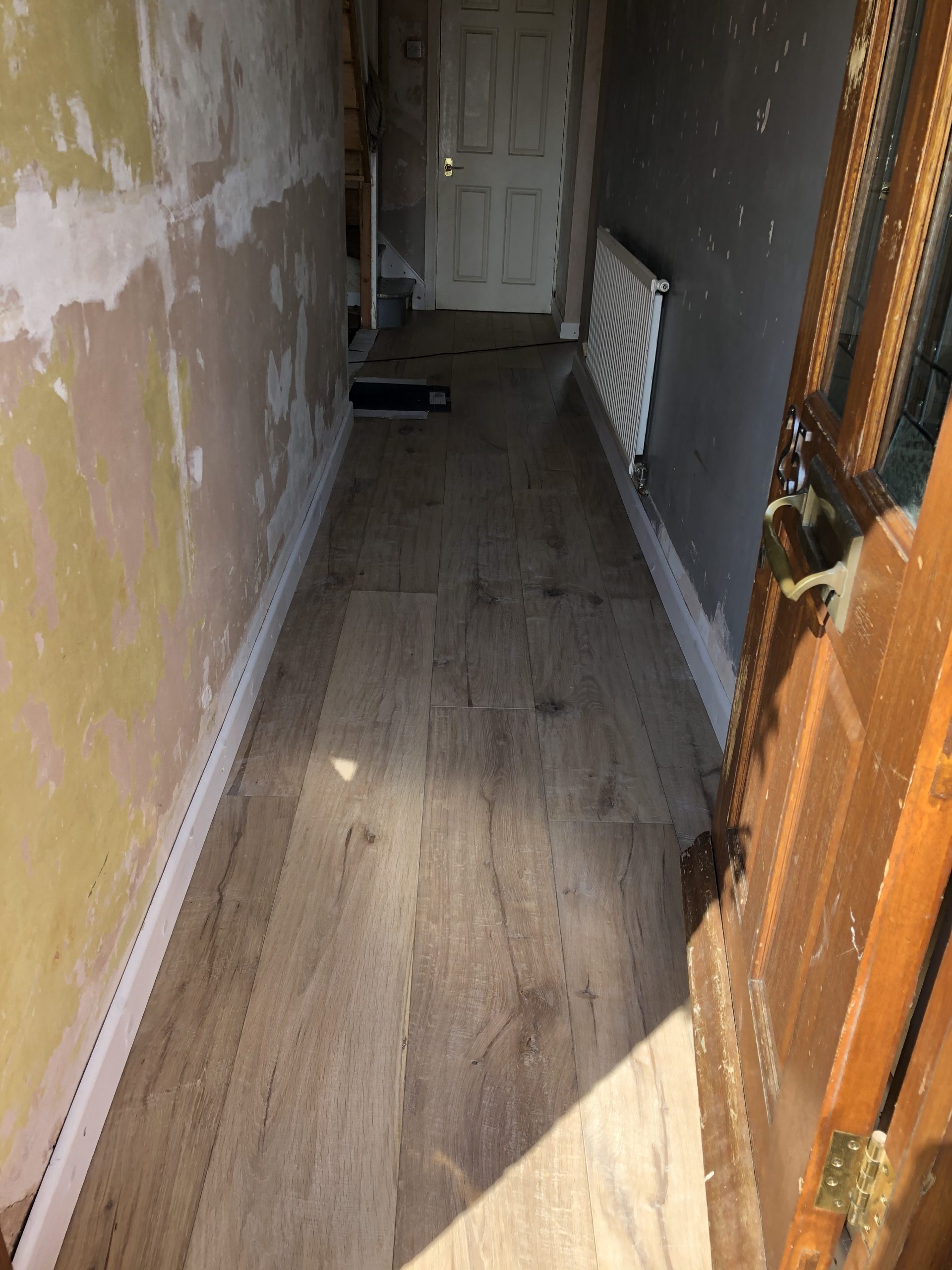
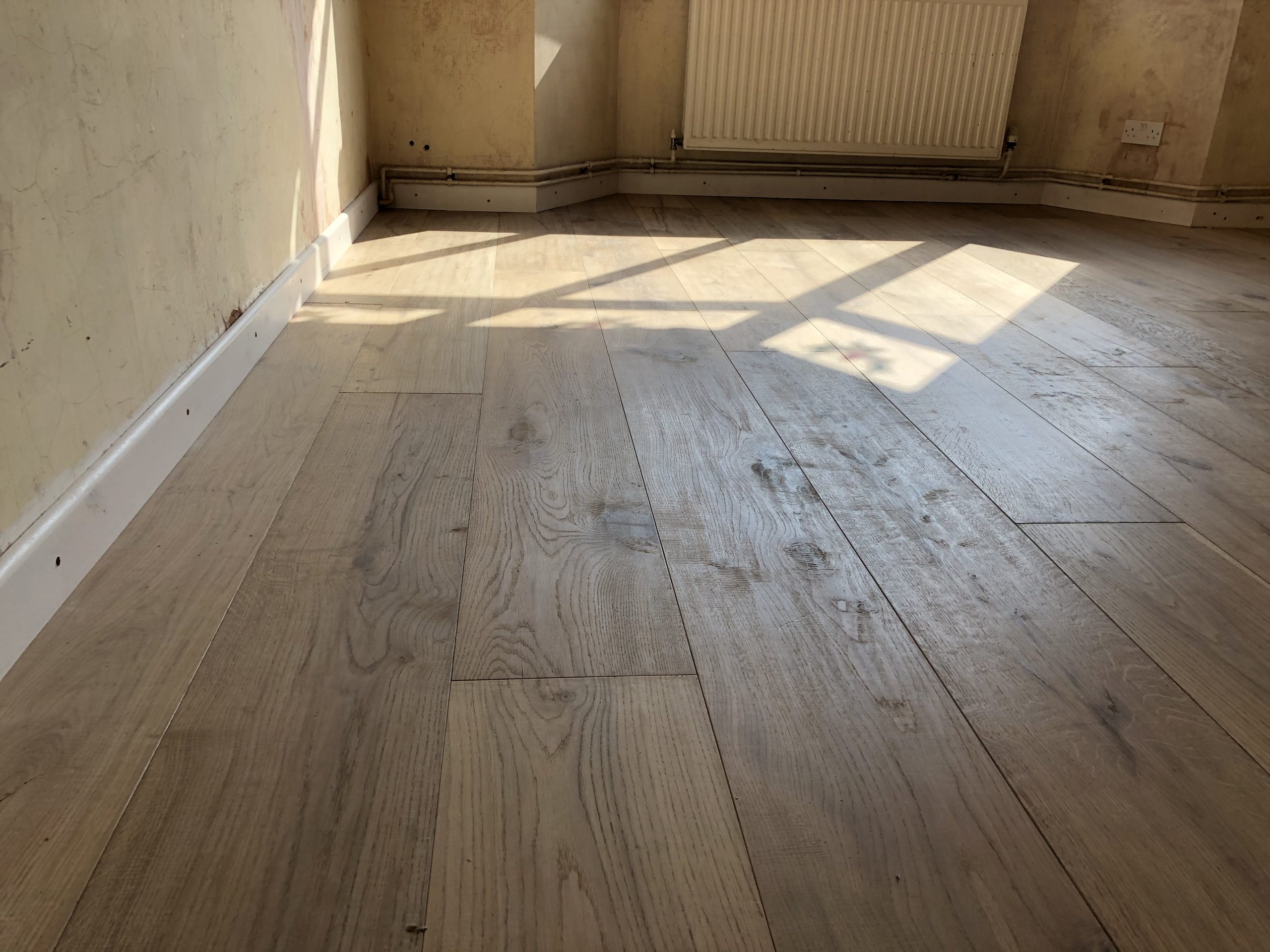
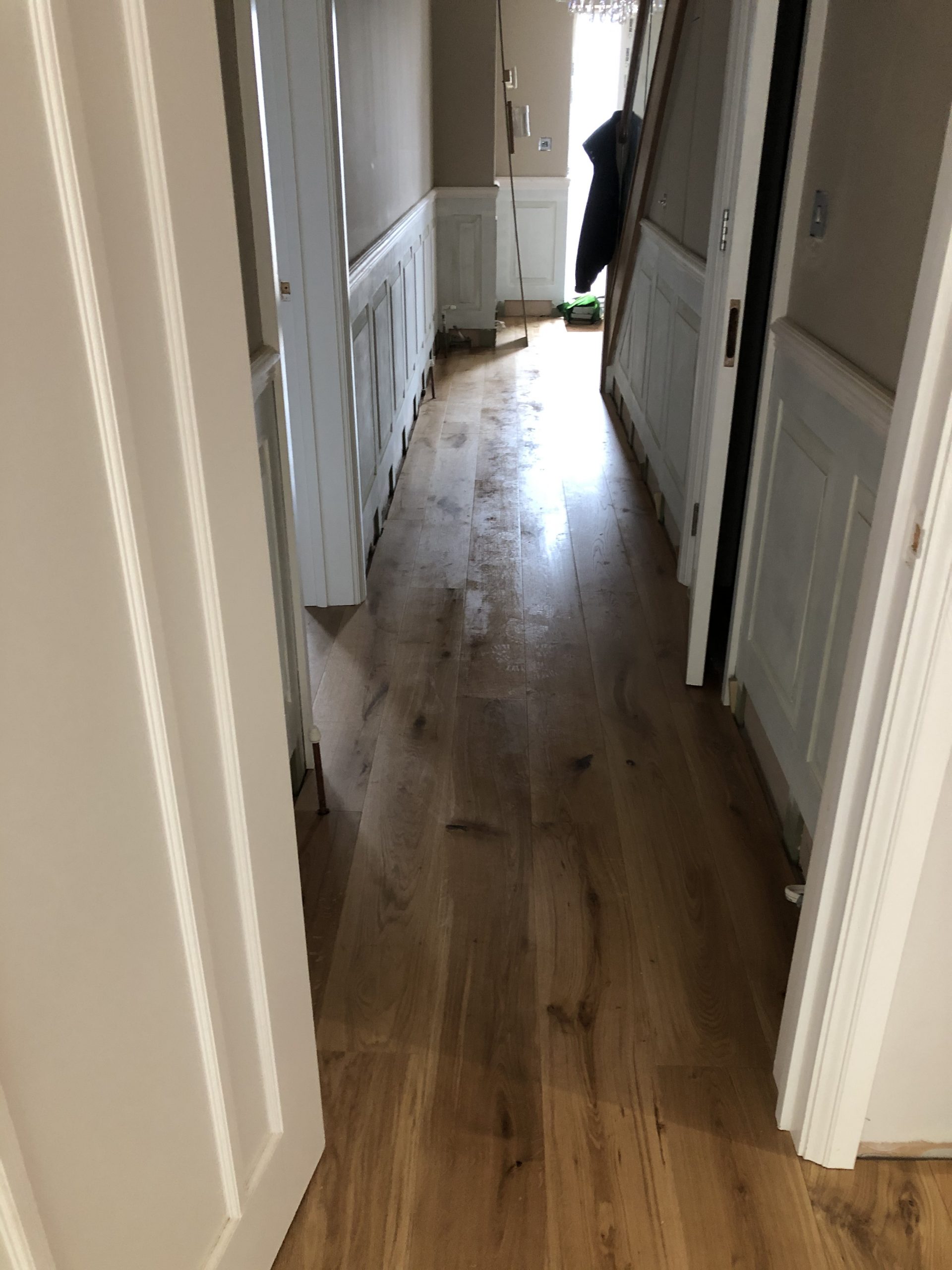
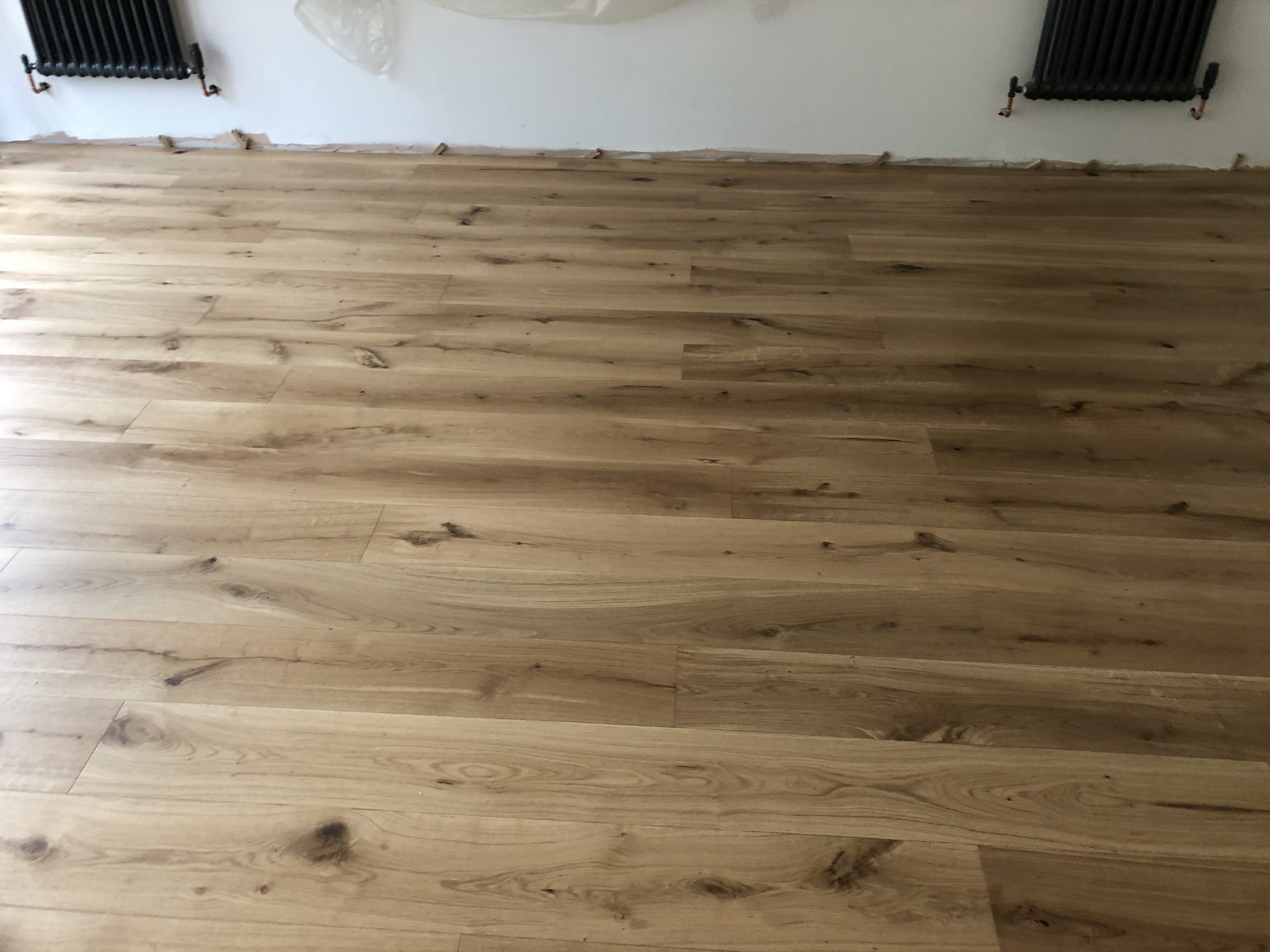
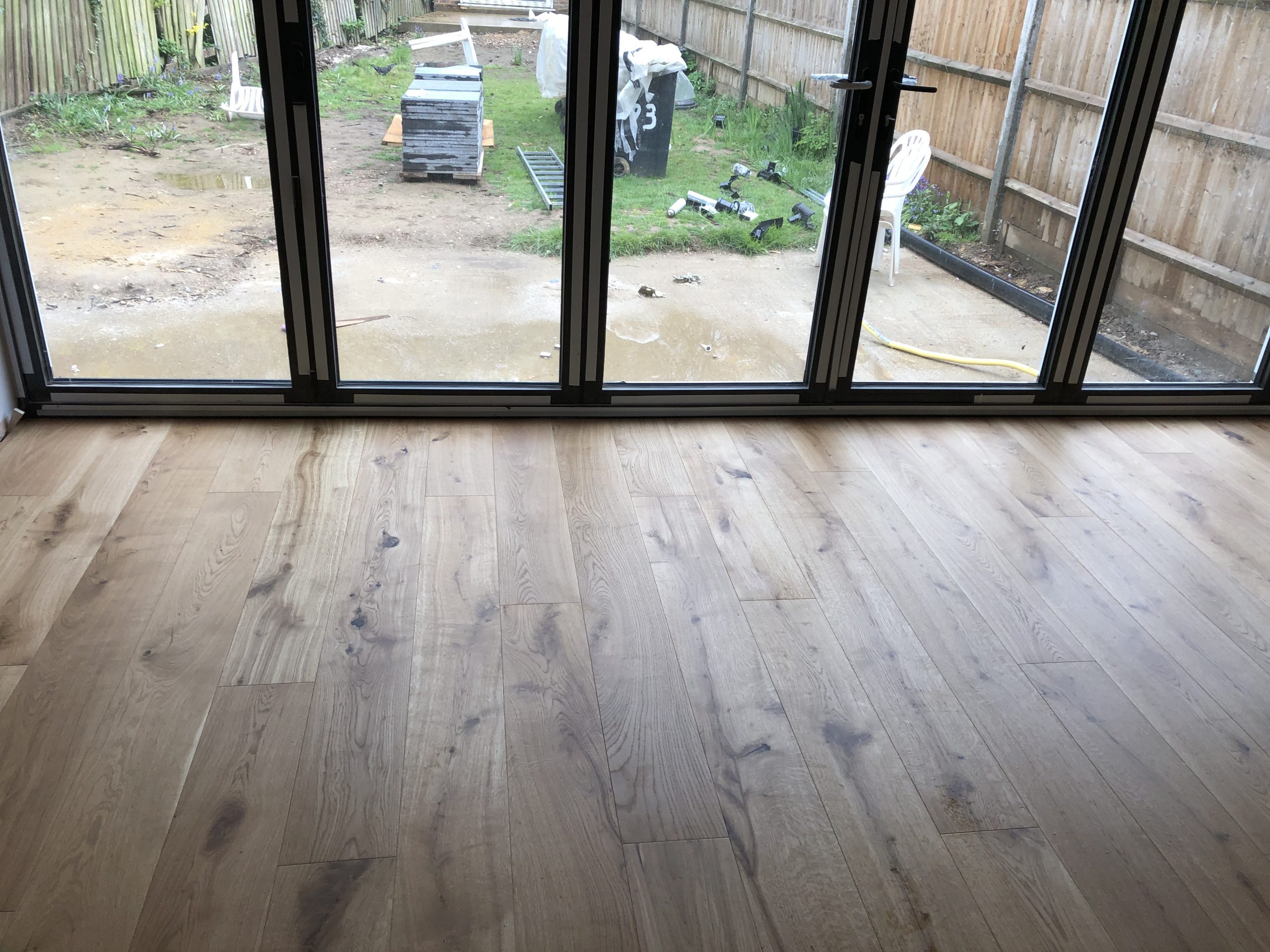
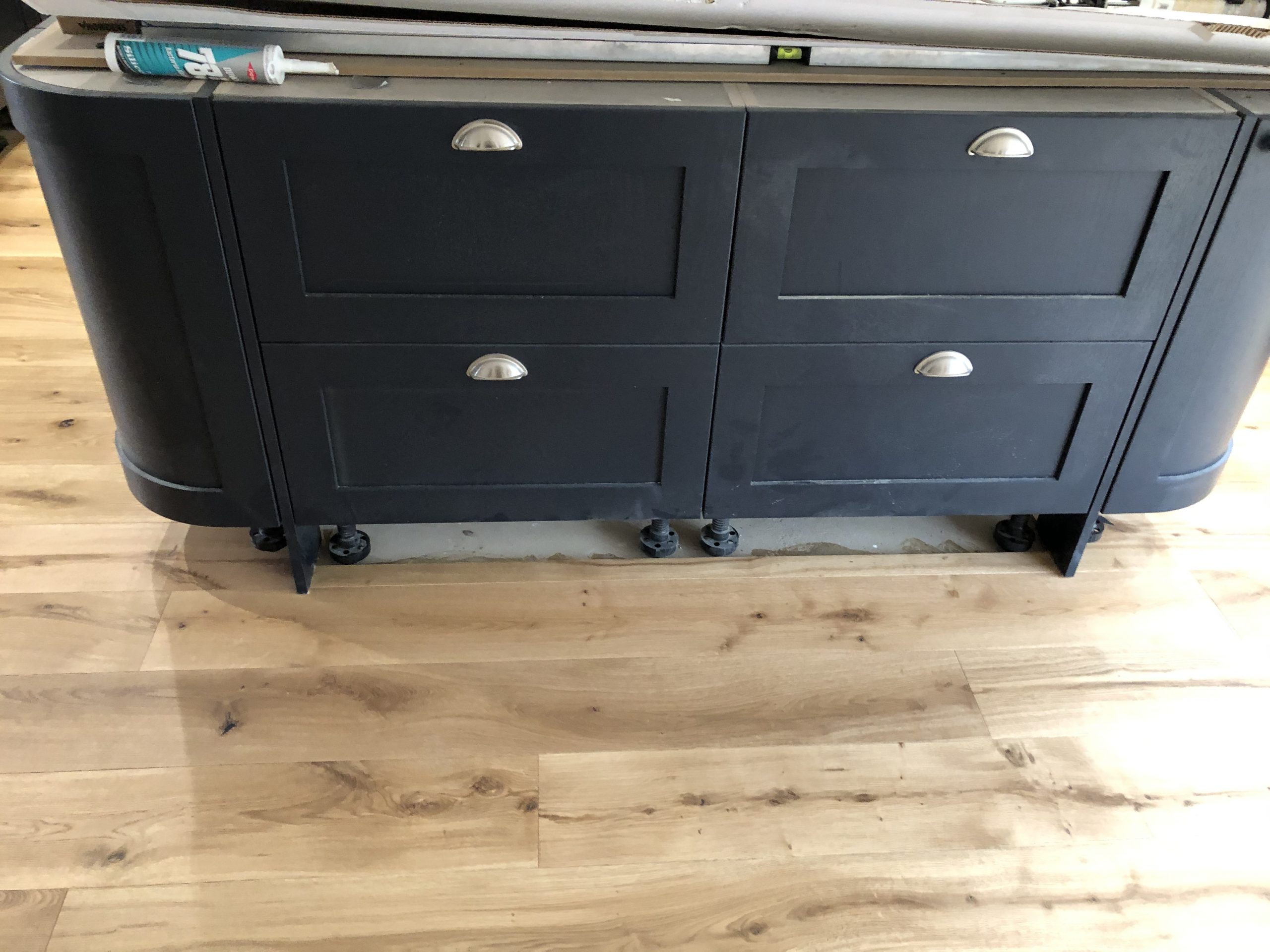
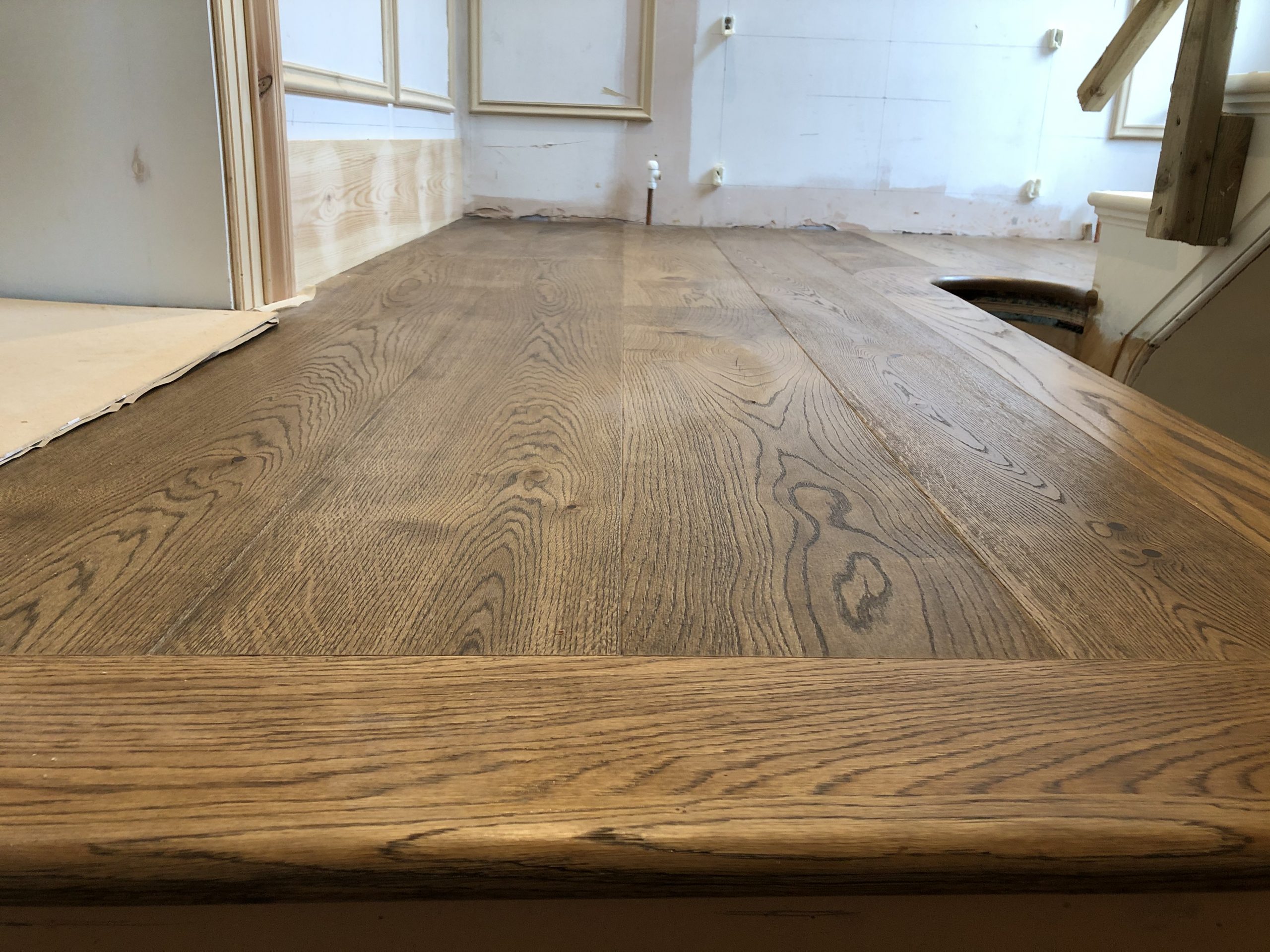
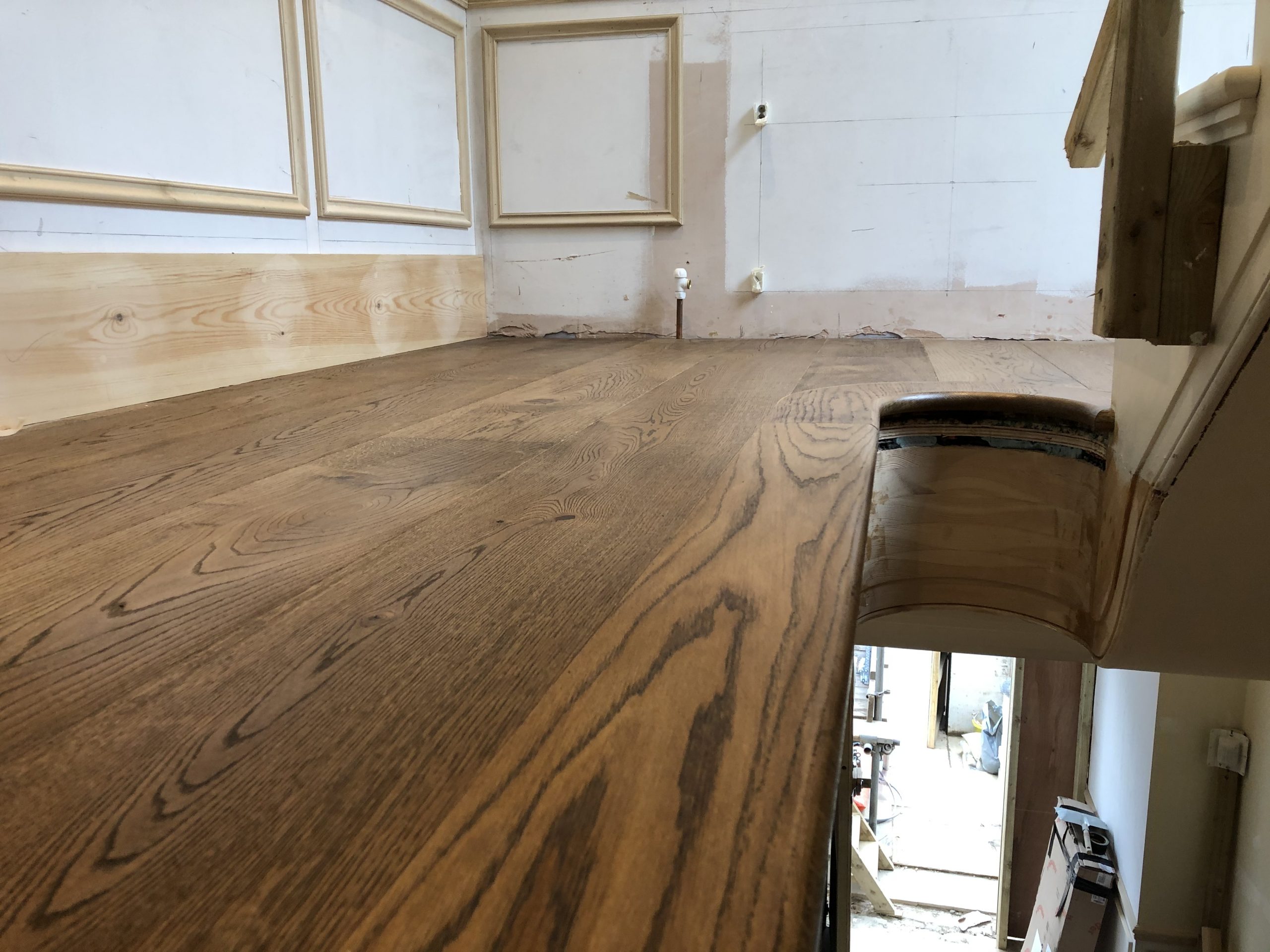
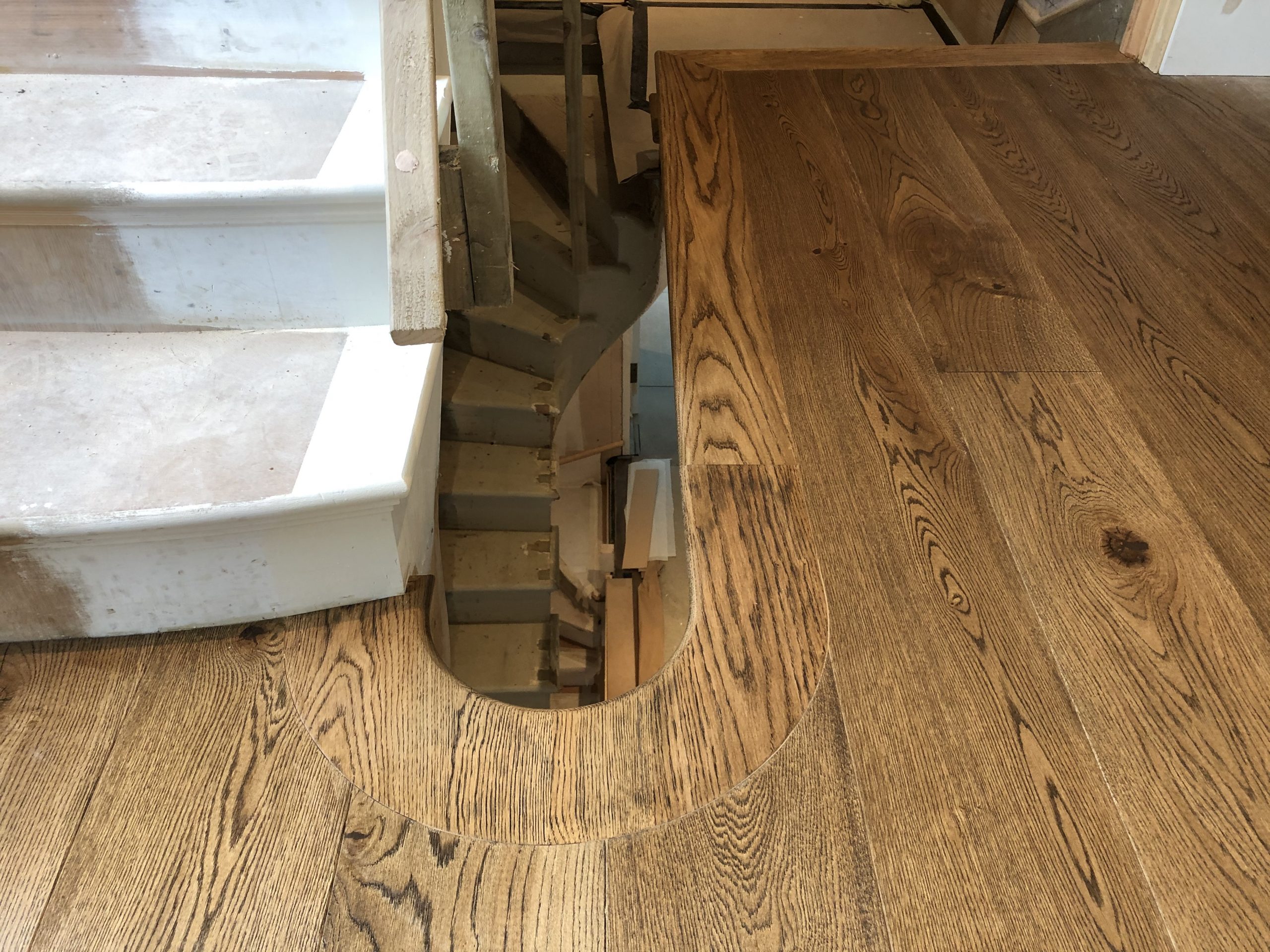
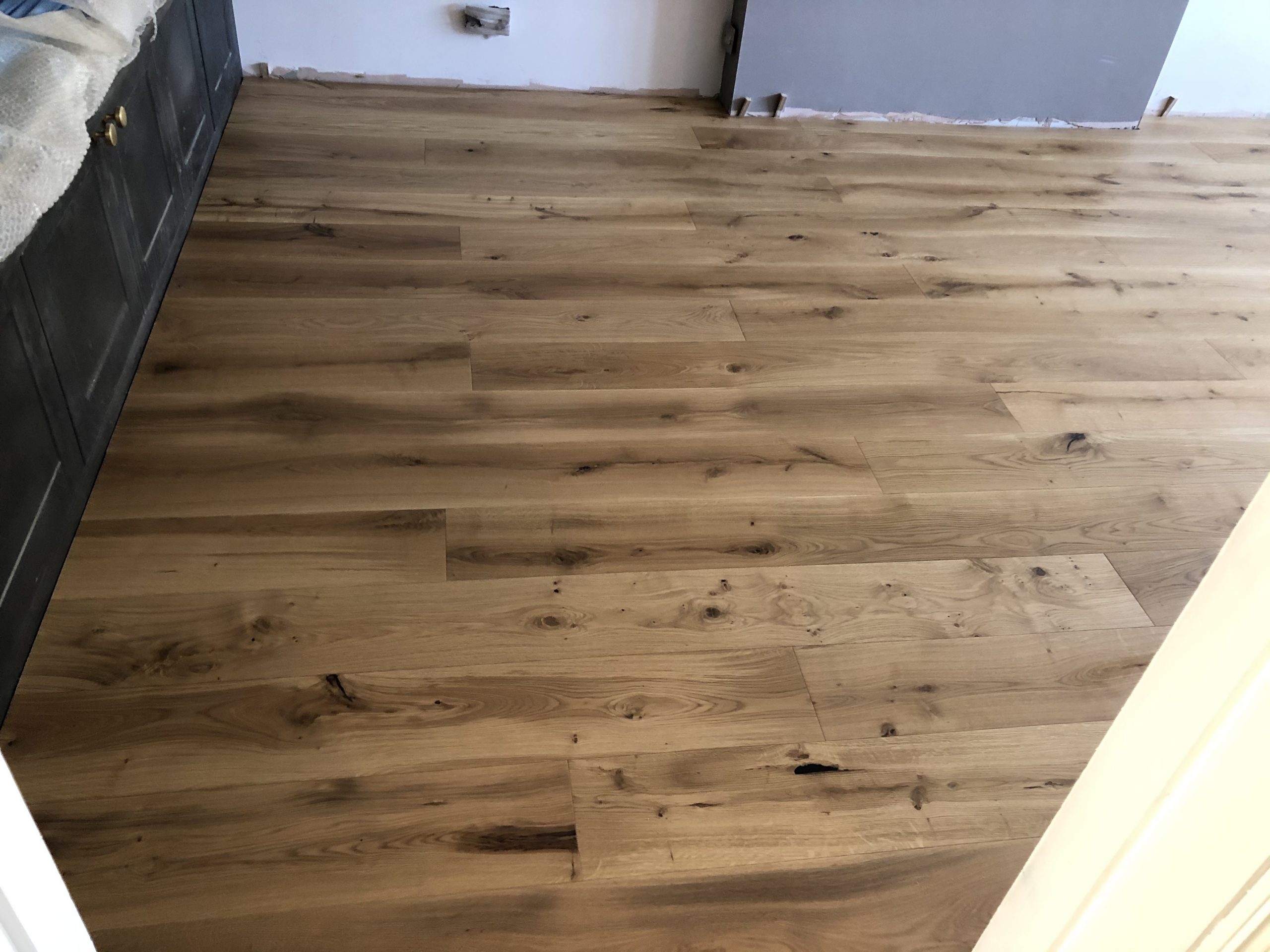
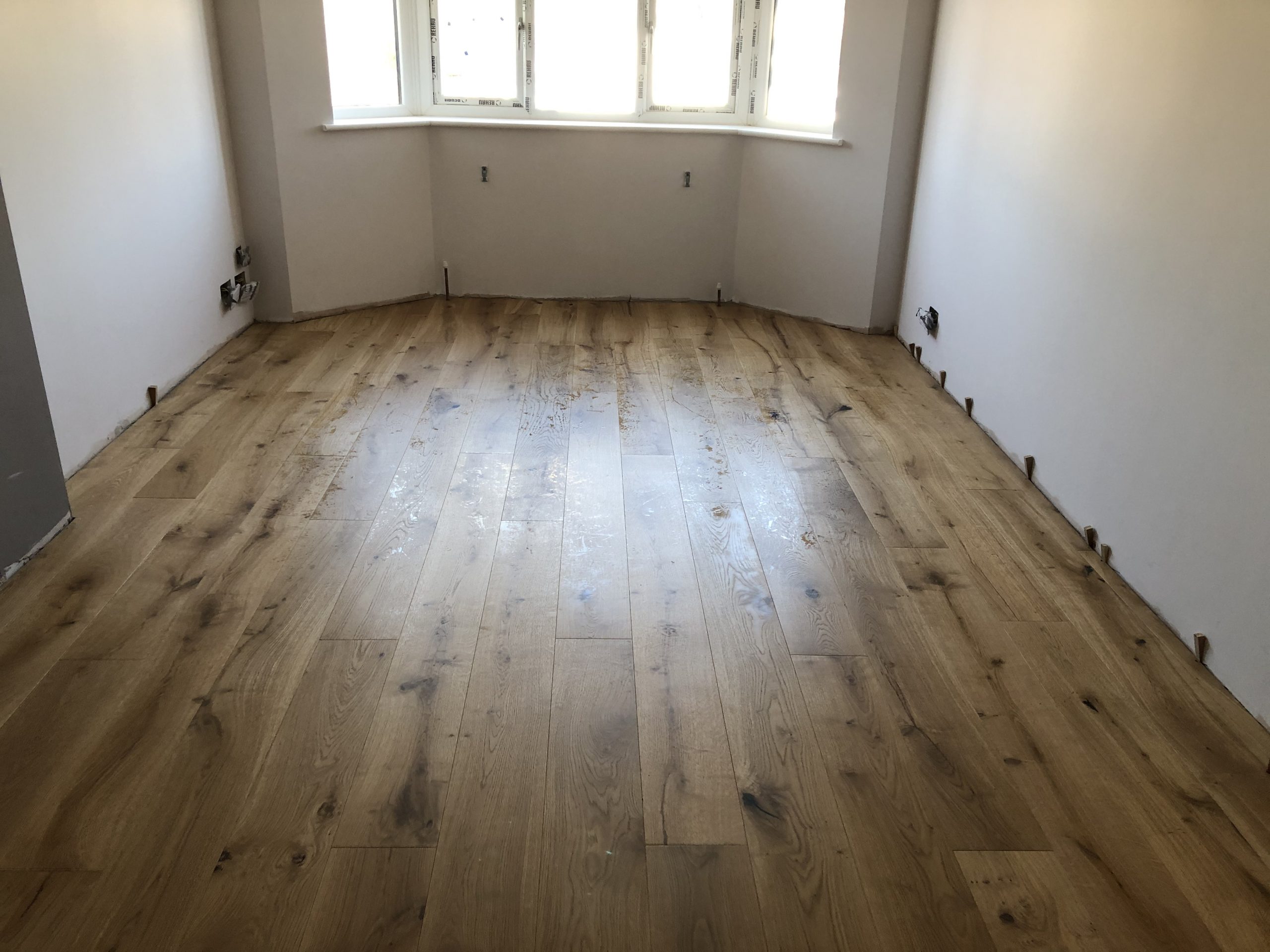
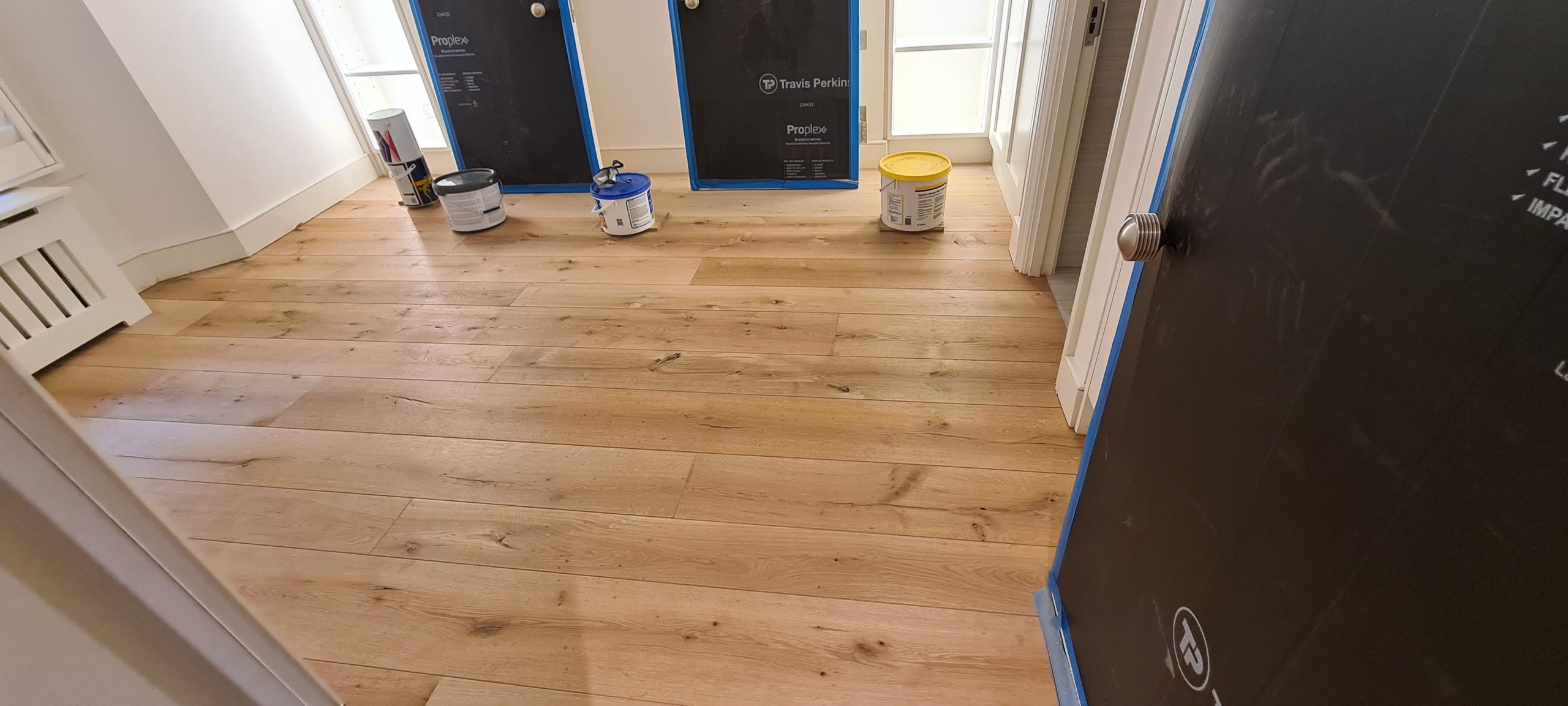
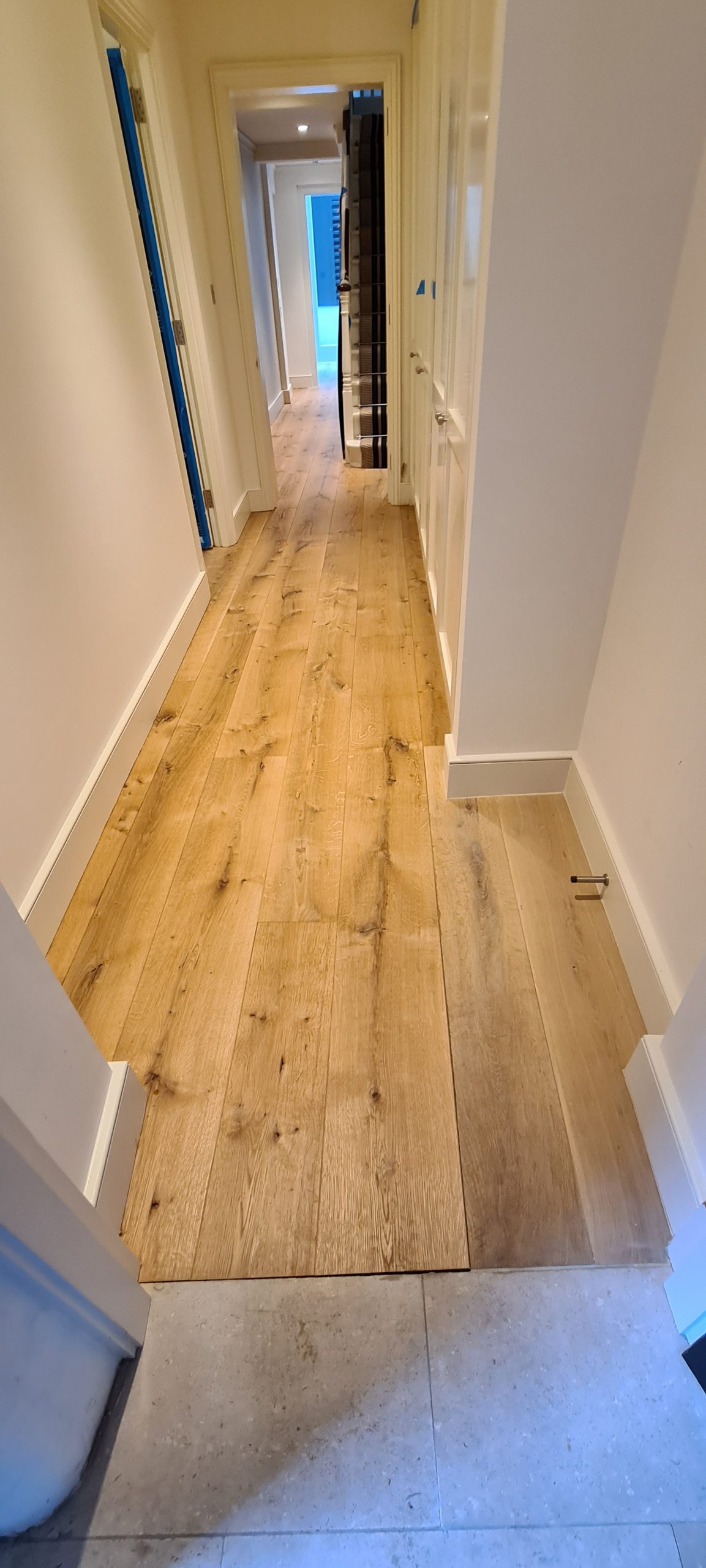
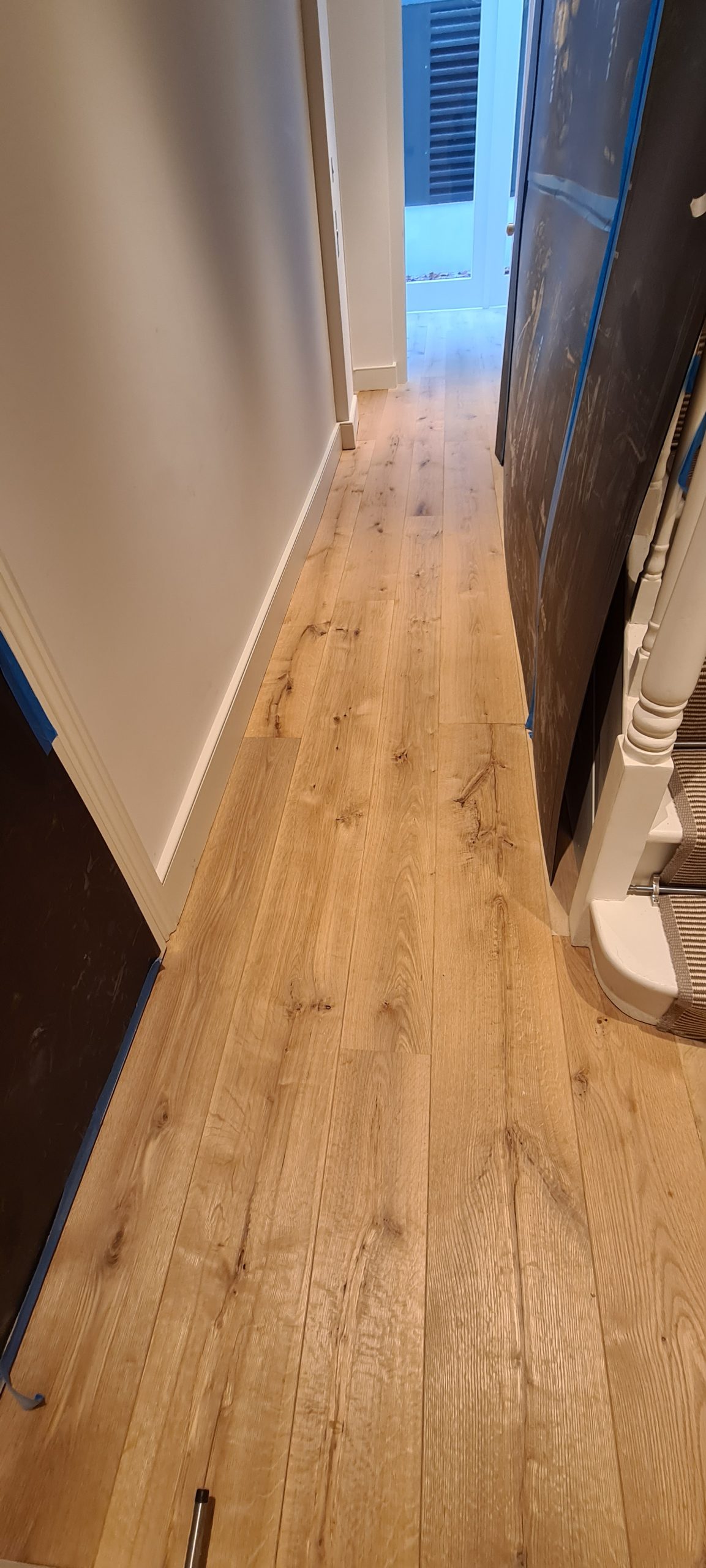
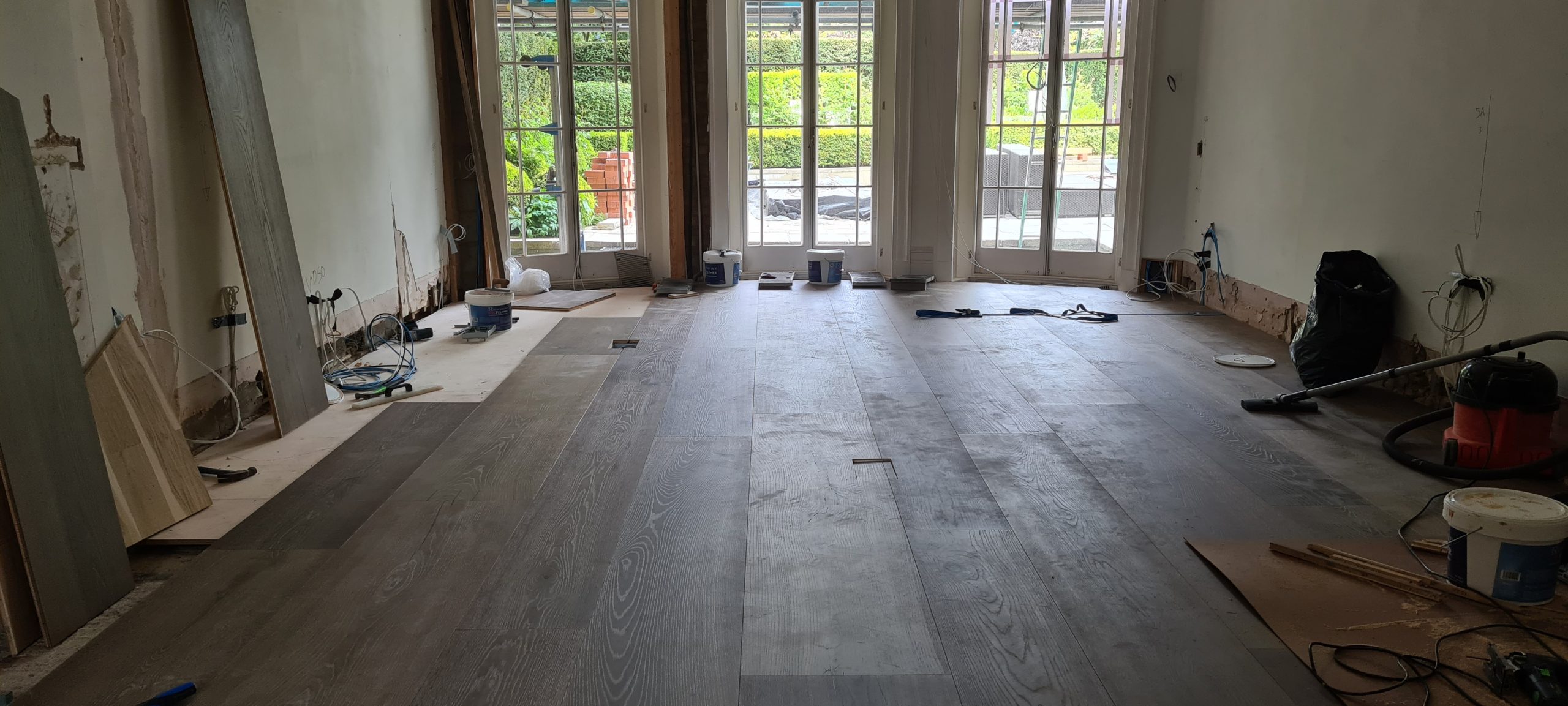
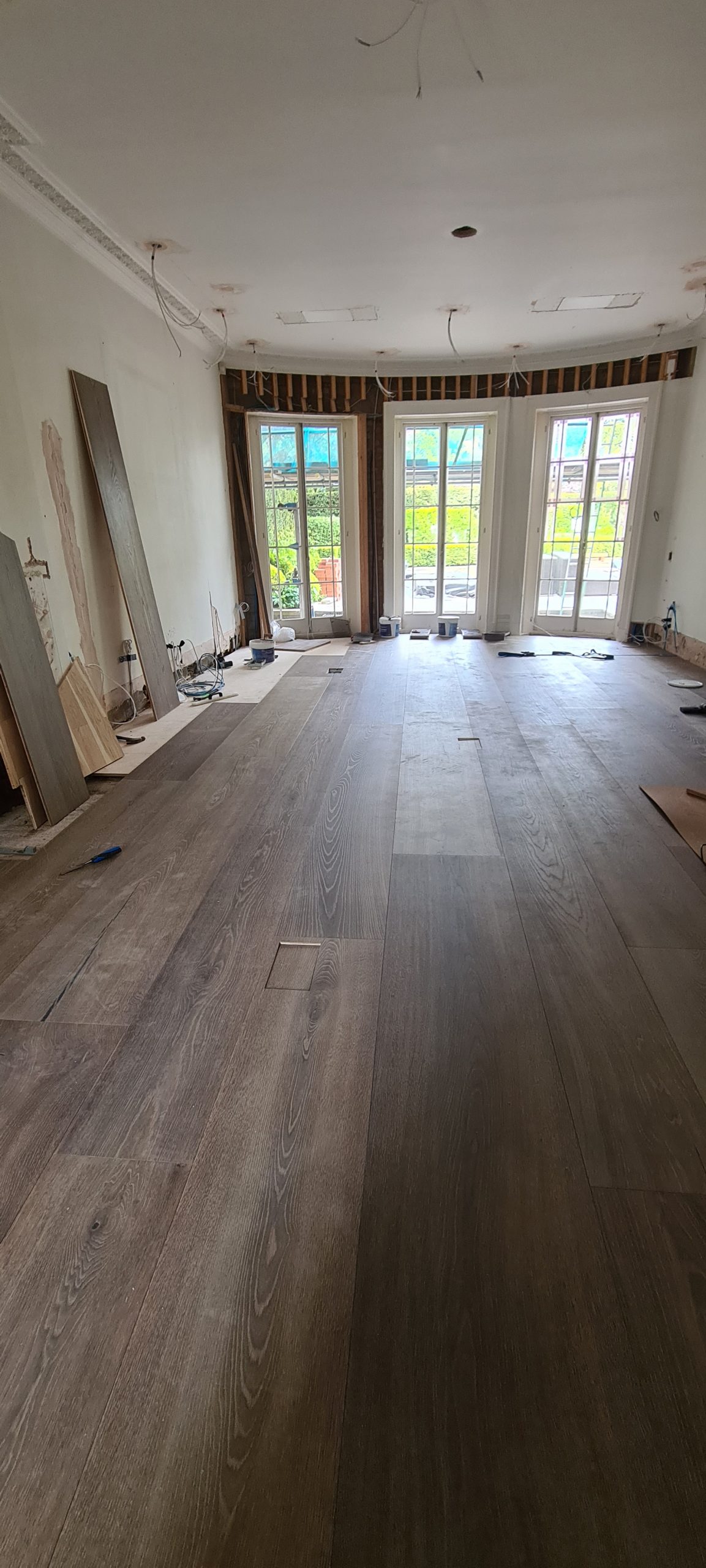
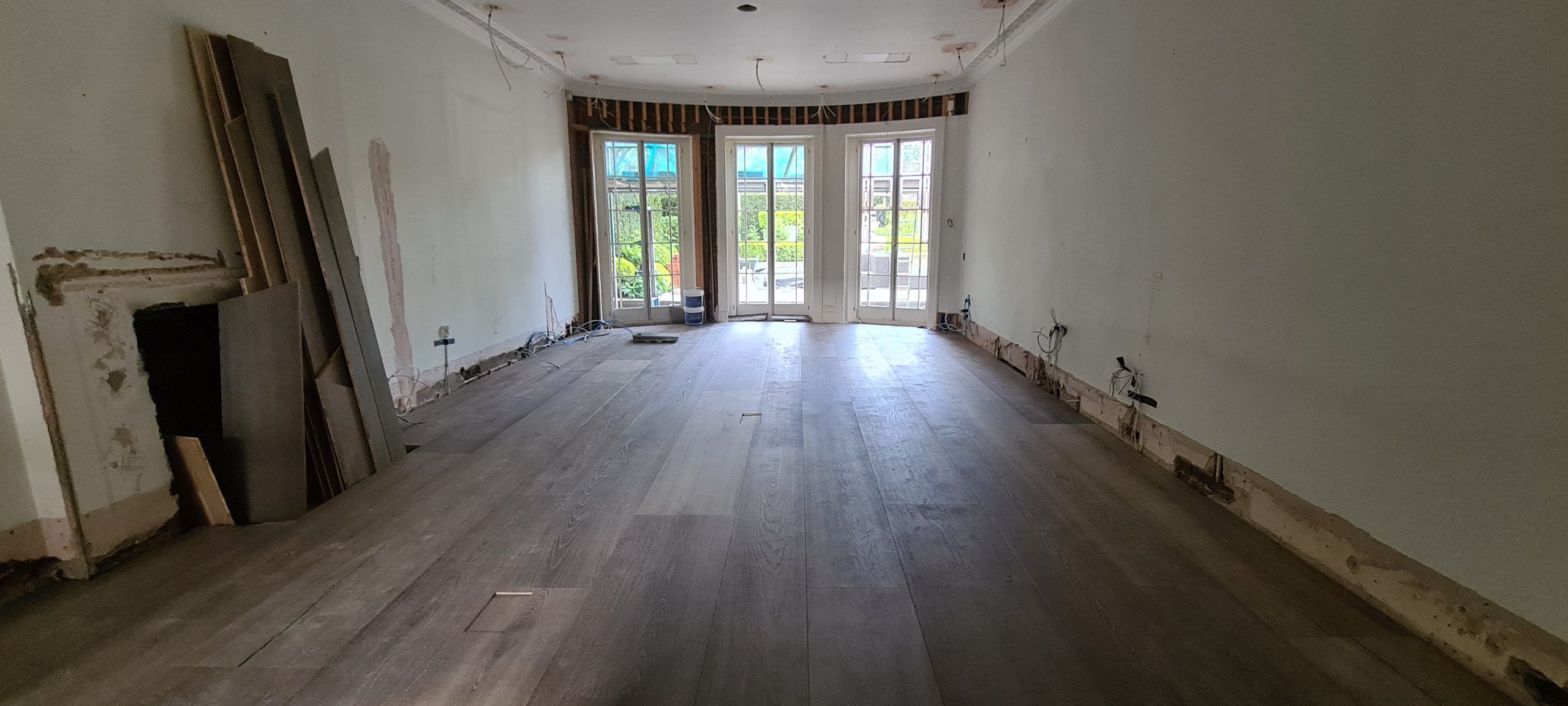
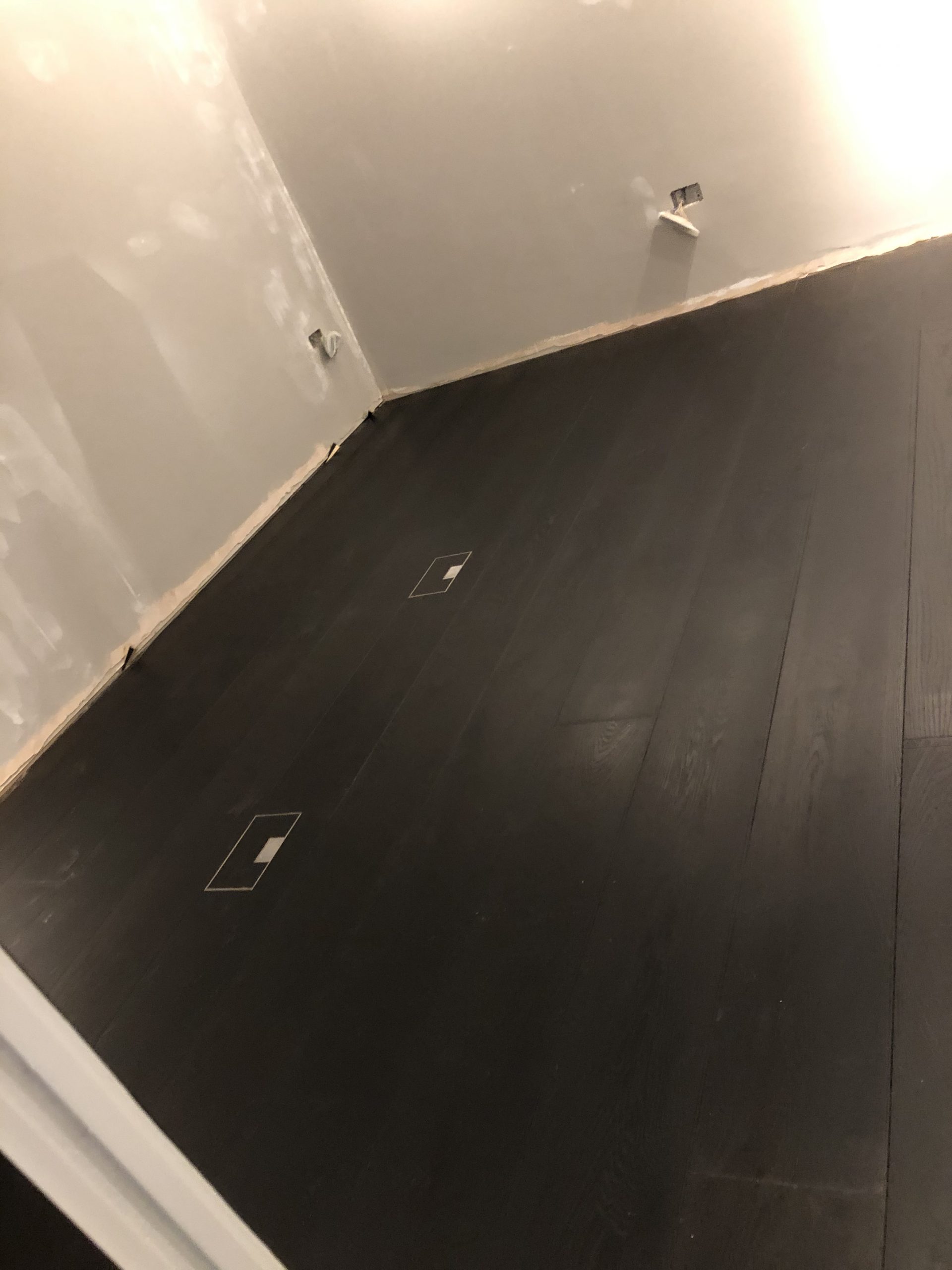
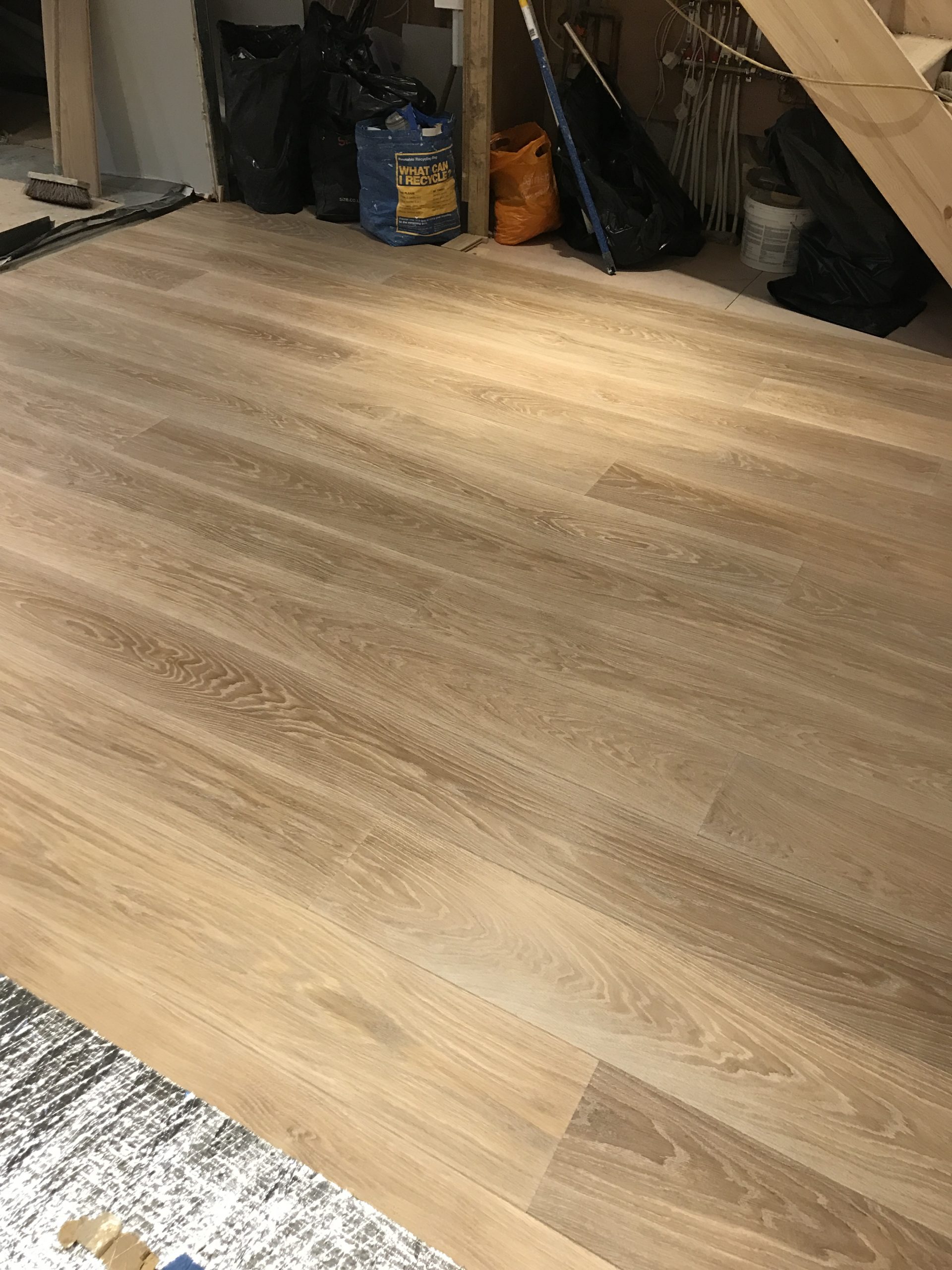
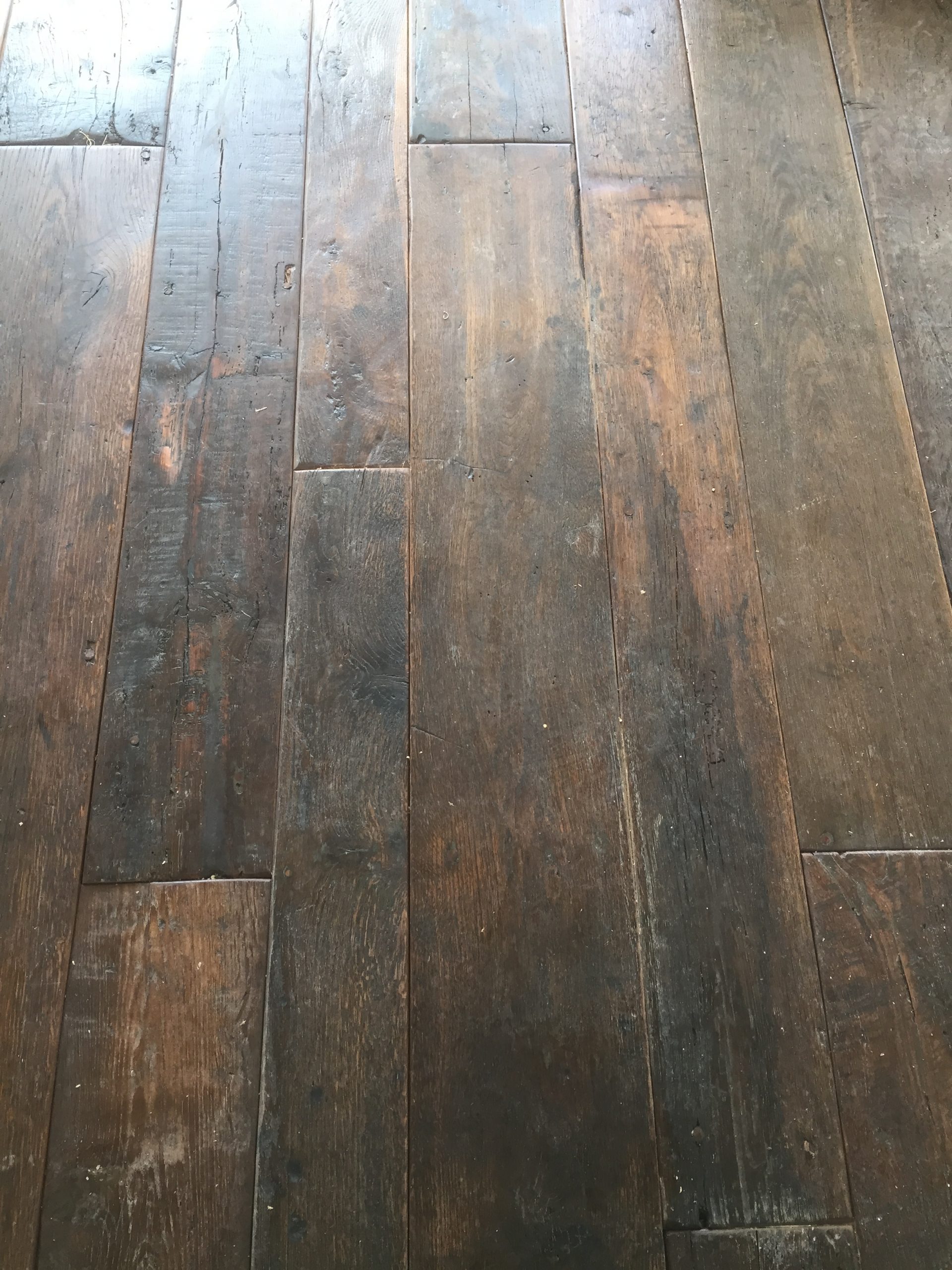
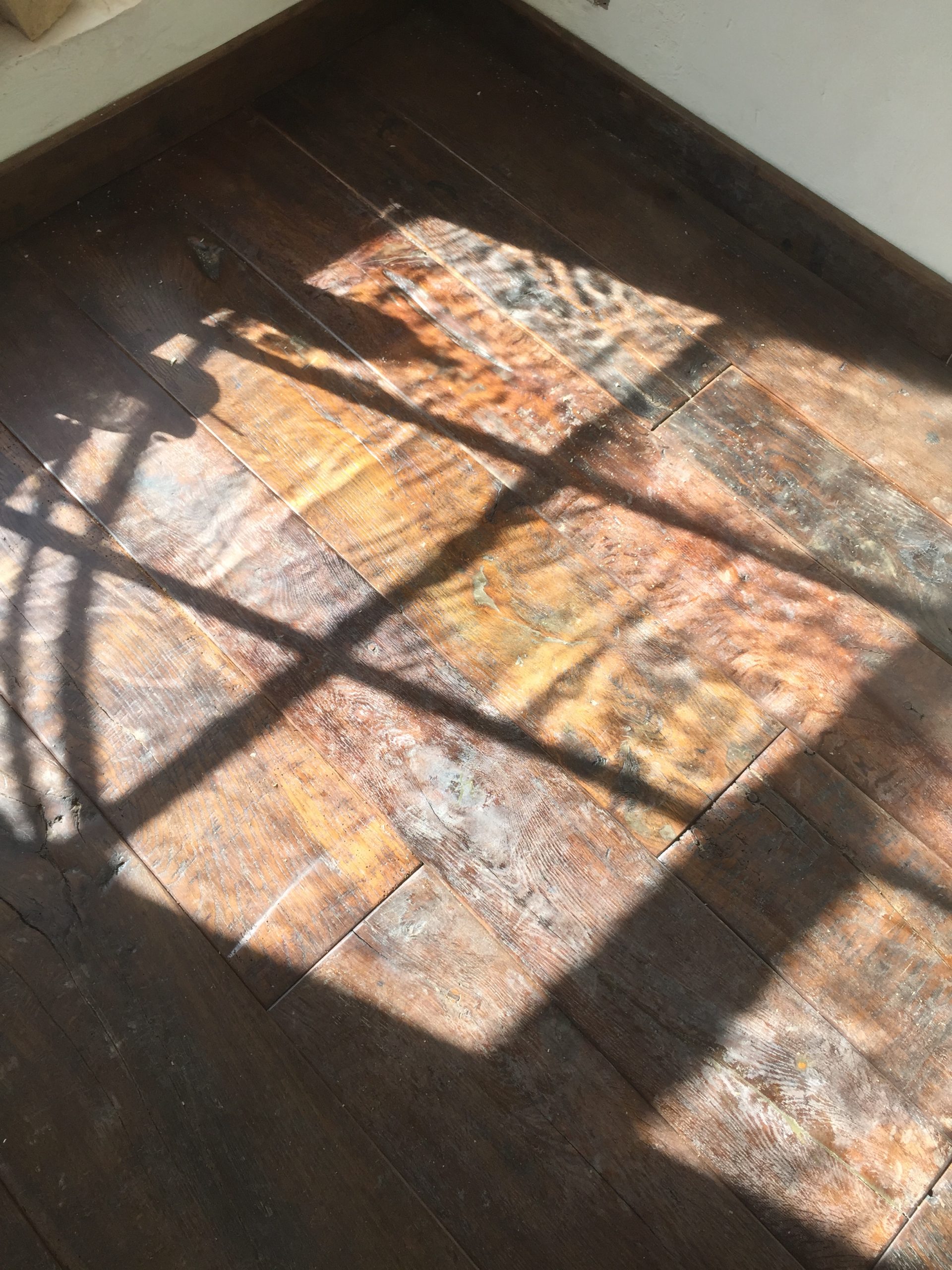
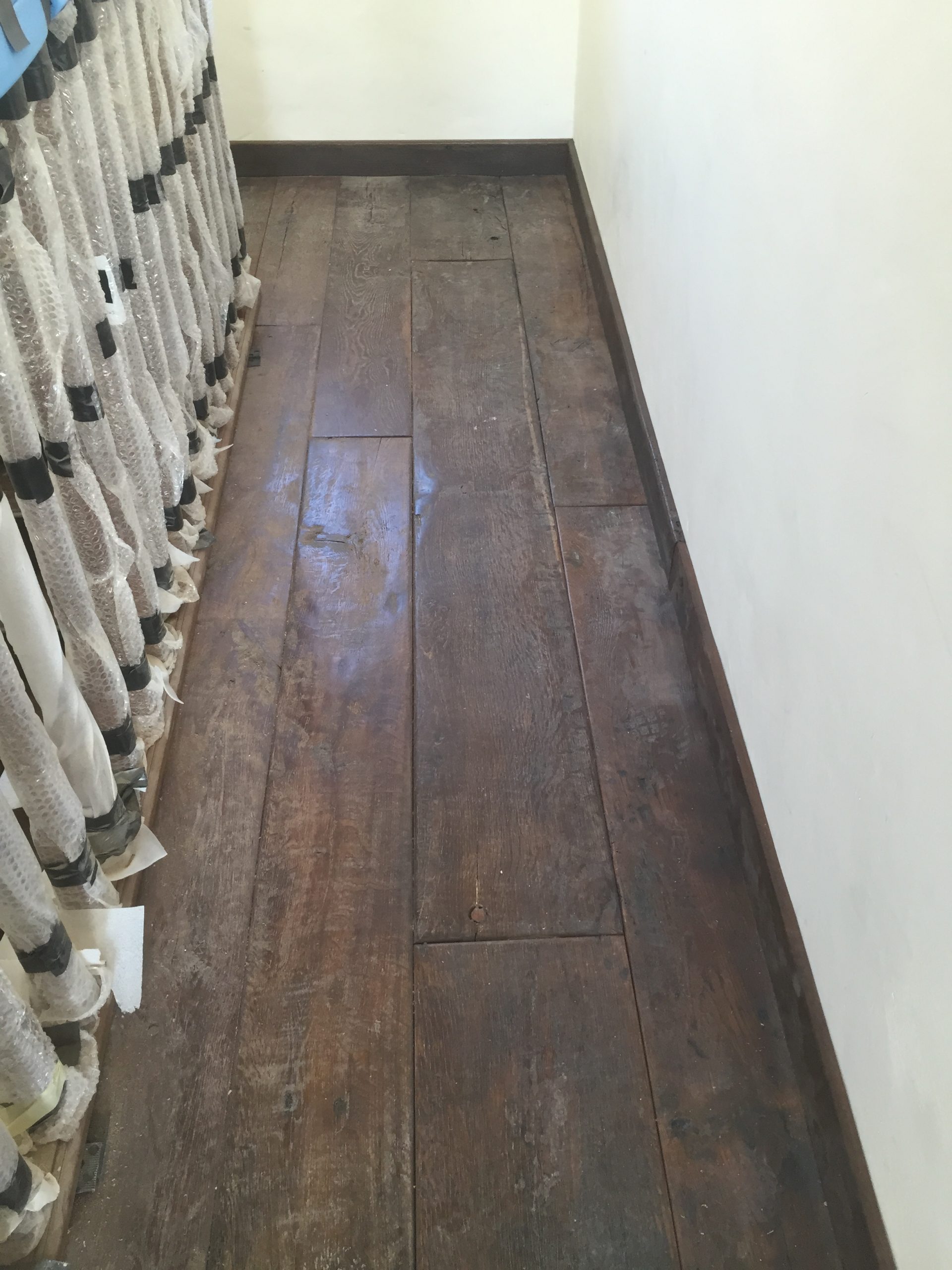
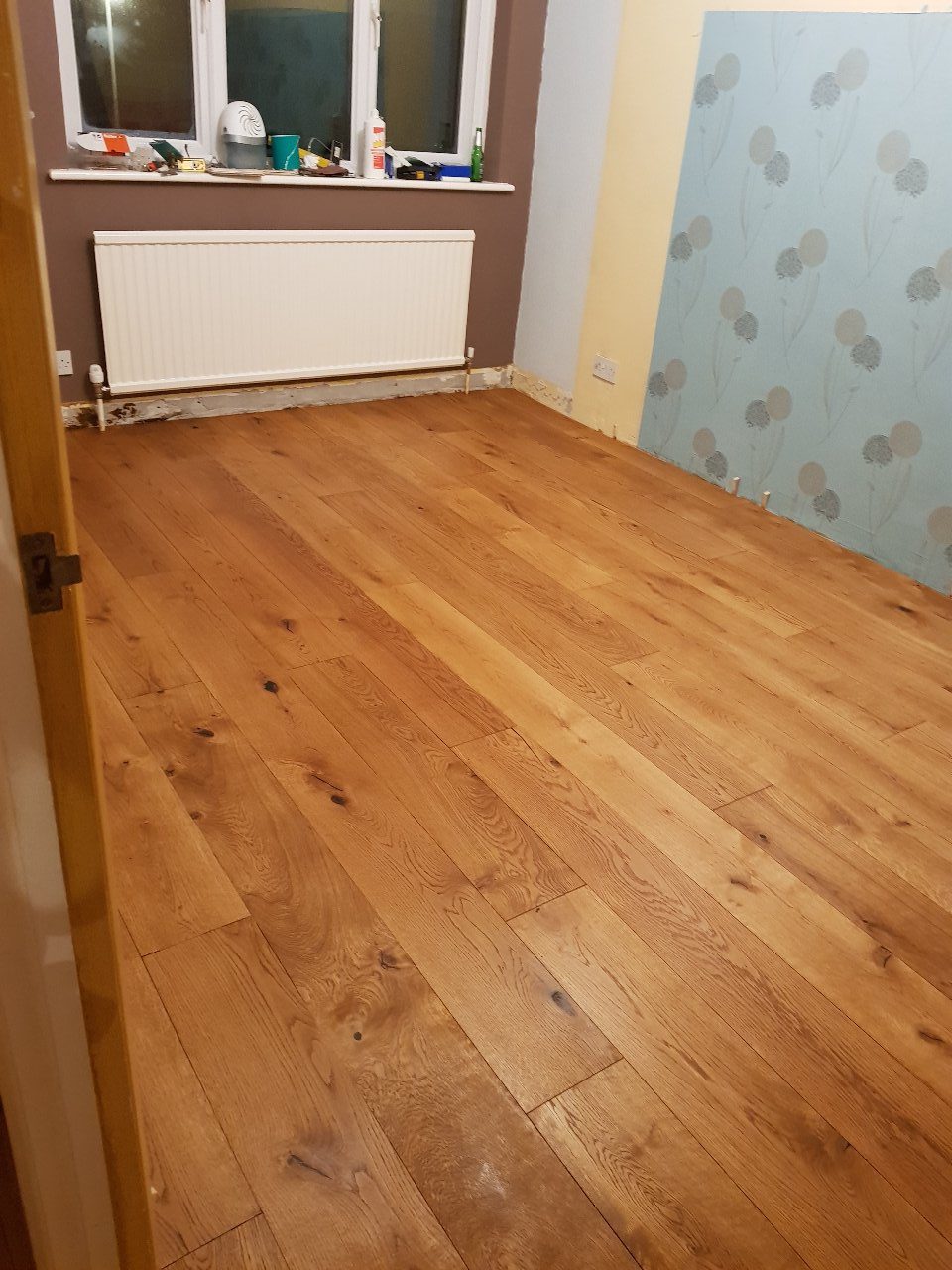
Solid plank flooring, a timeless choice for homeowners and designers alike, is celebrated for its durability, natural beauty, and the warmth it adds to any space. Crafted from single pieces of hardwood, these planks are known for their thickness and ability to be sanded and refinished multiple times over their lifespan. The appeal of solid plank flooring lies in its authenticity and the unique character it brings, with each plank telling a story through its grain patterns, natural variations, and imperfections. This introduction aims to explore the essence of solid plank flooring, its role in creating inviting and enduring spaces, and why it remains a favored option for those looking to invest in quality and timeless elegance.
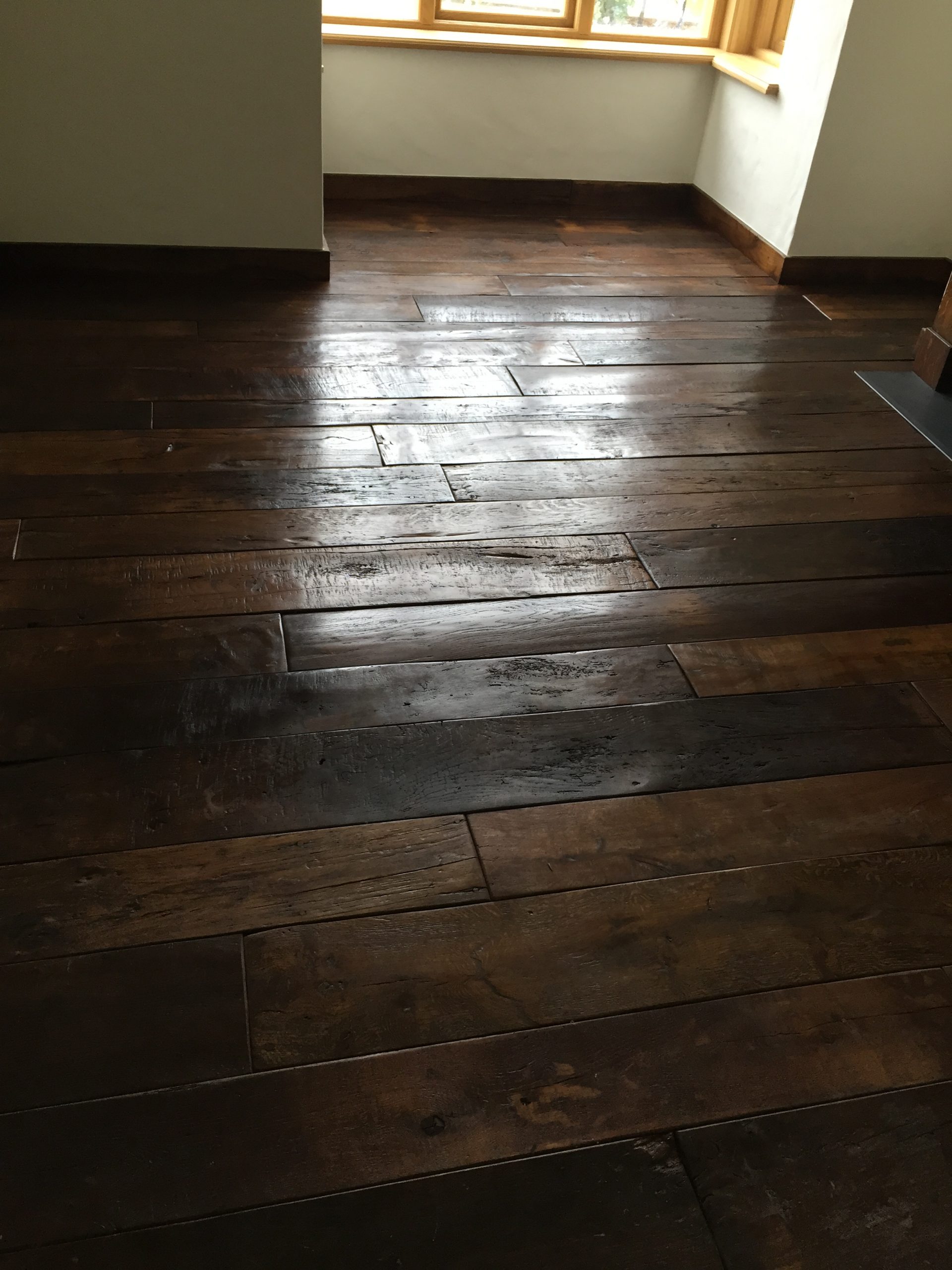
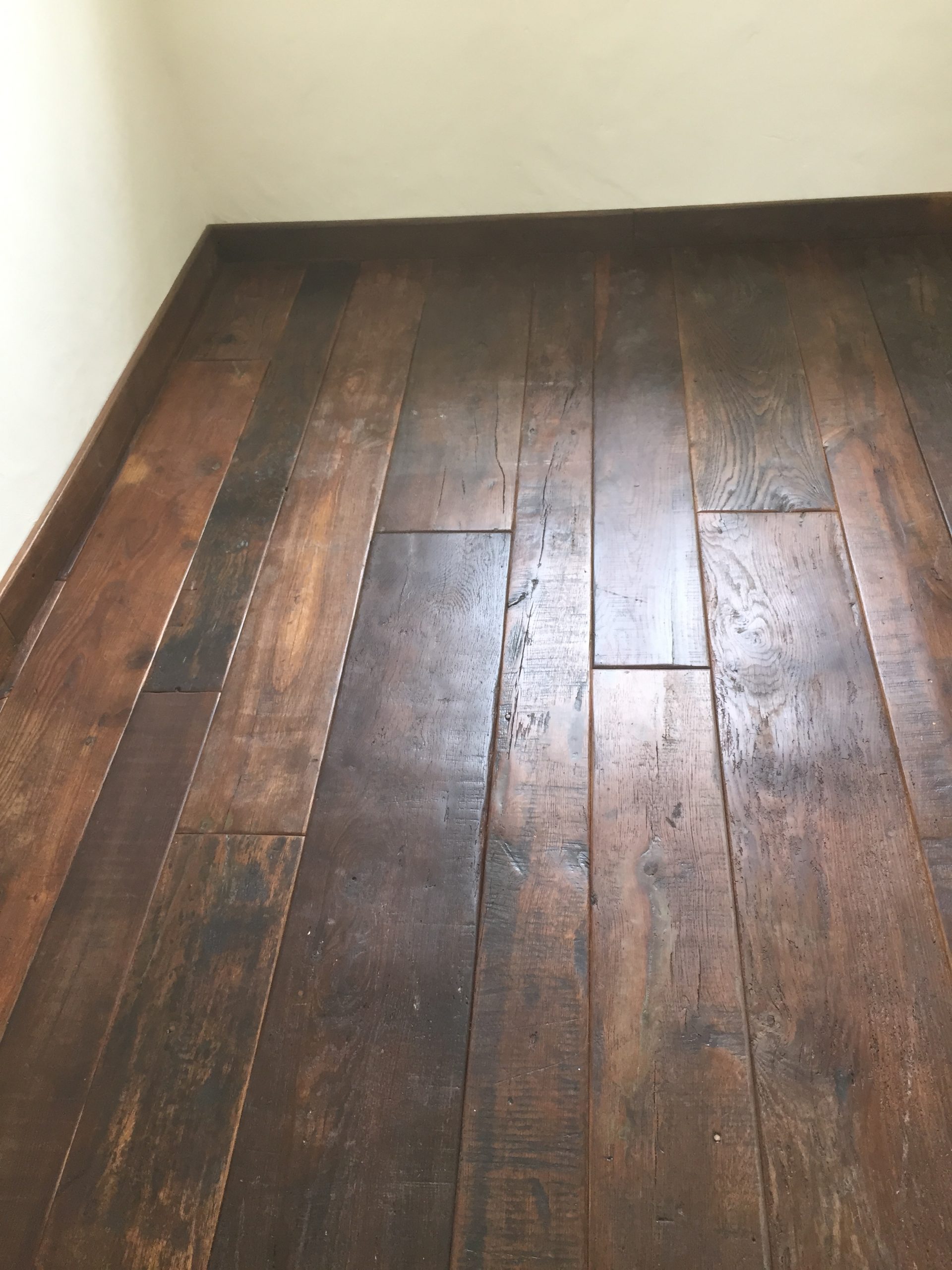
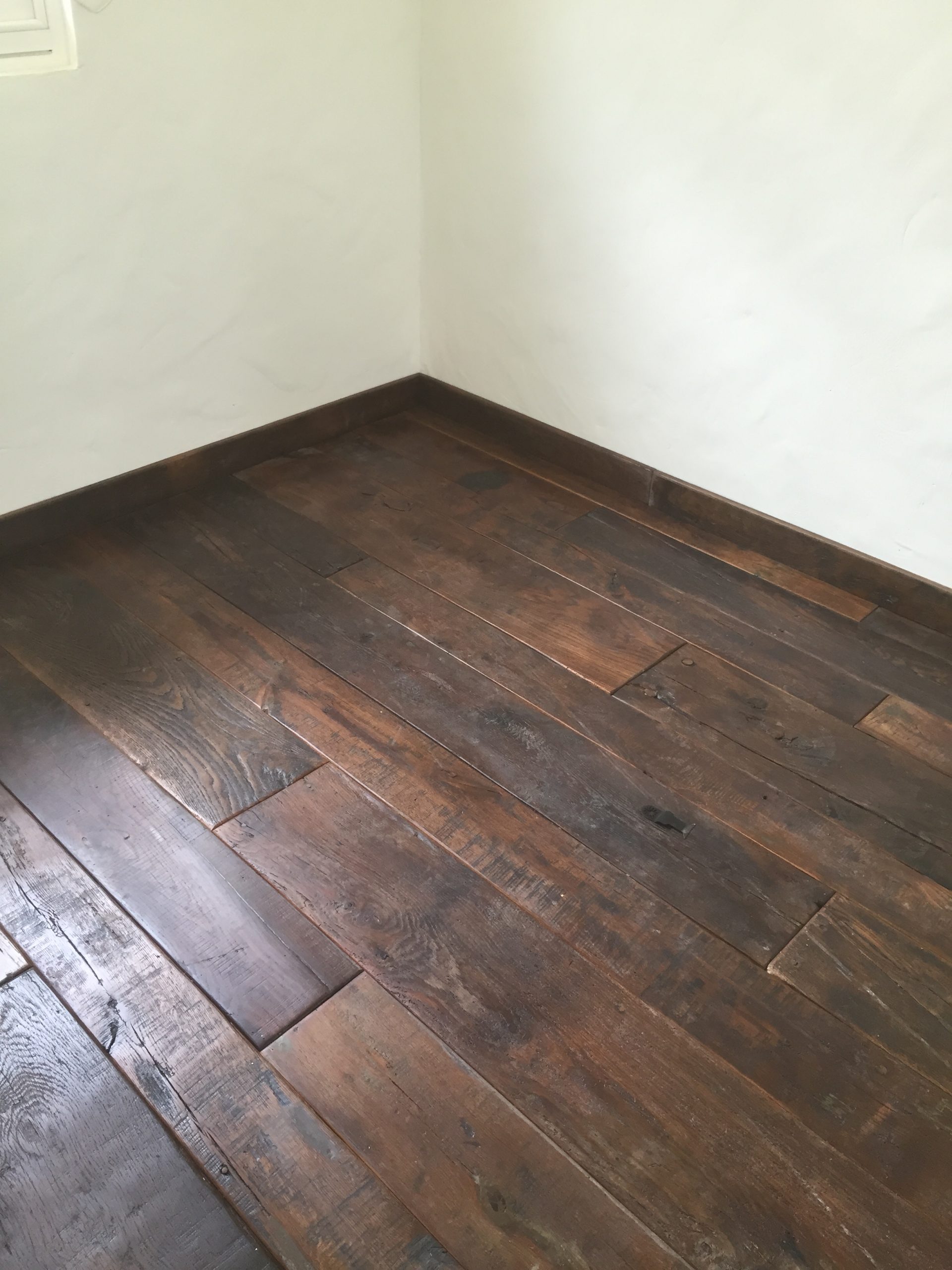
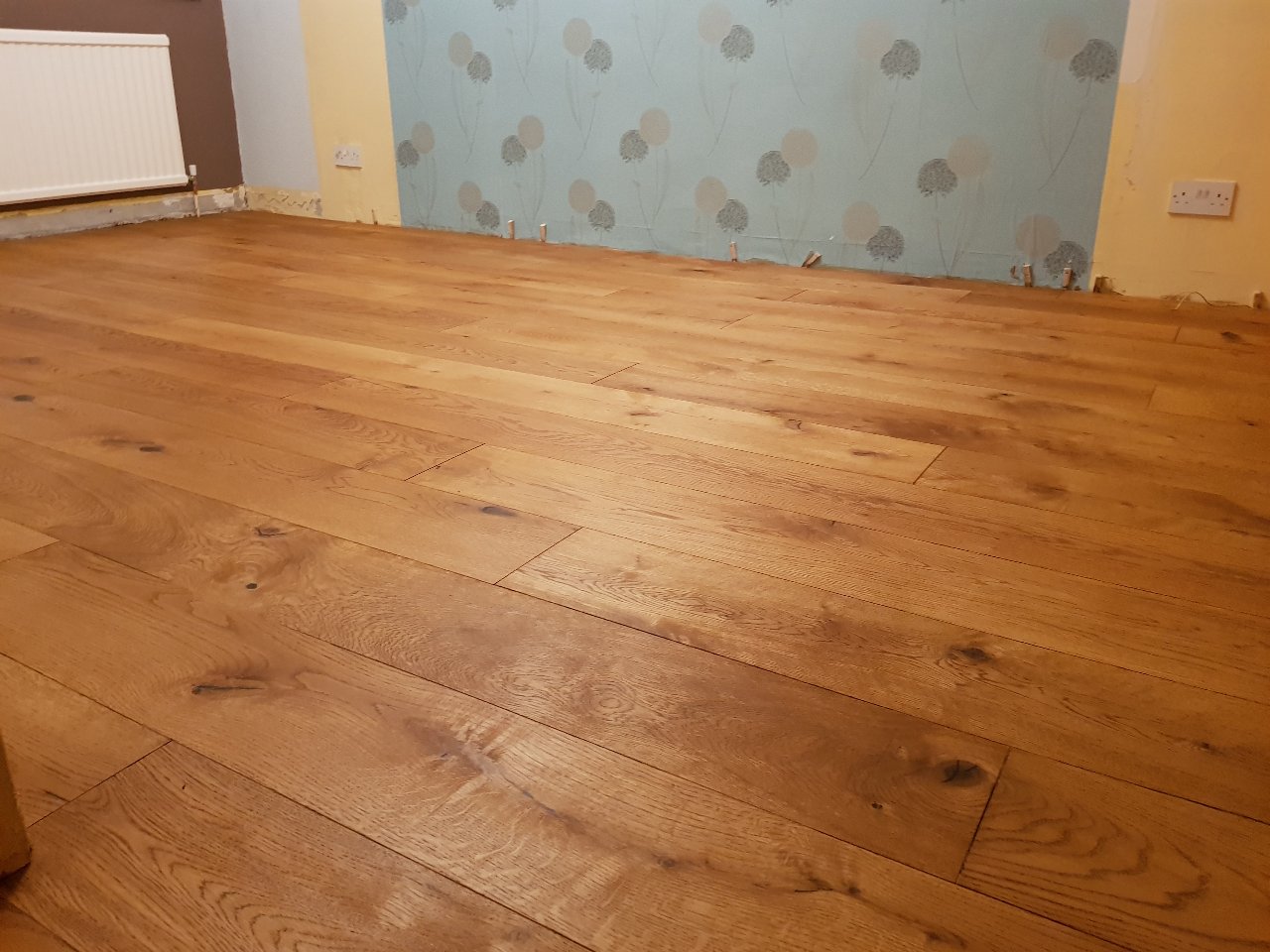
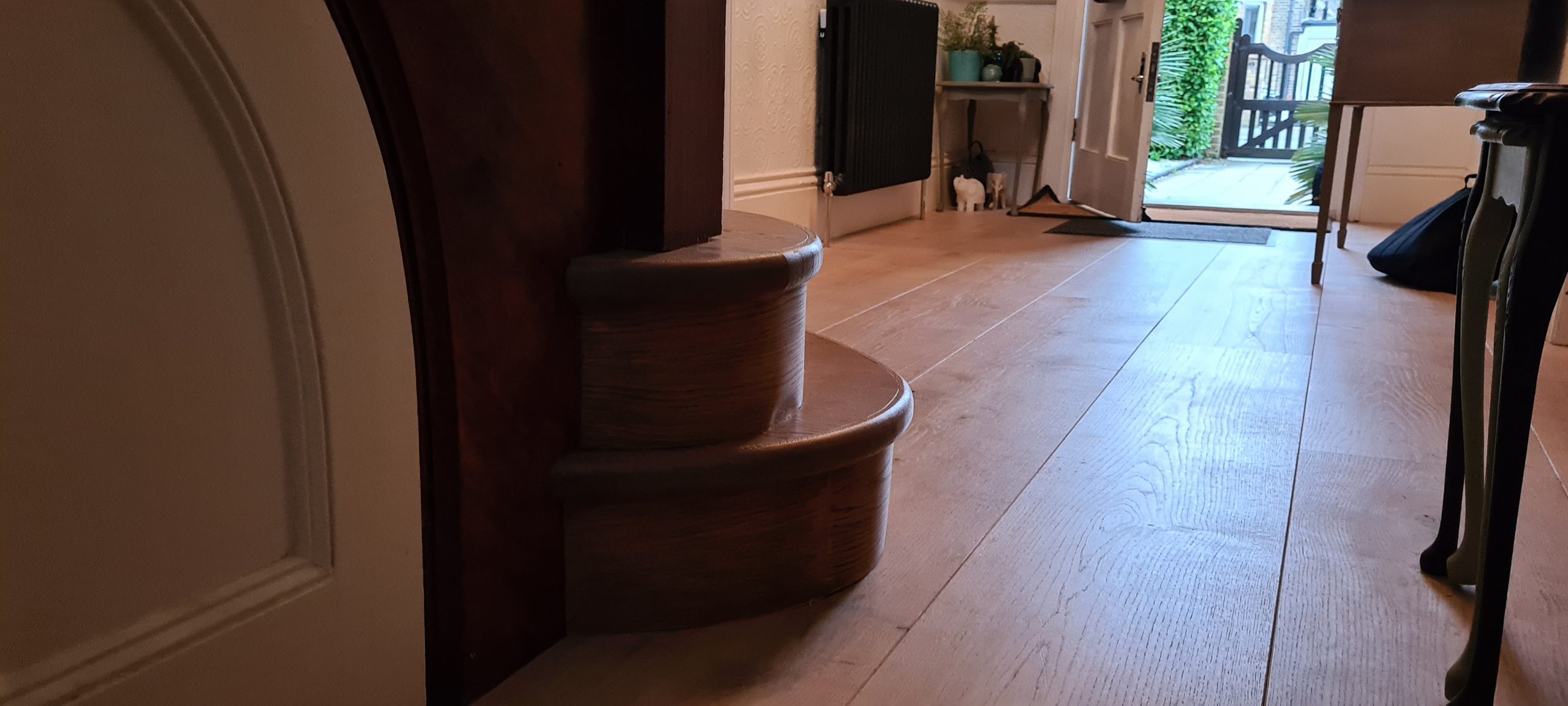
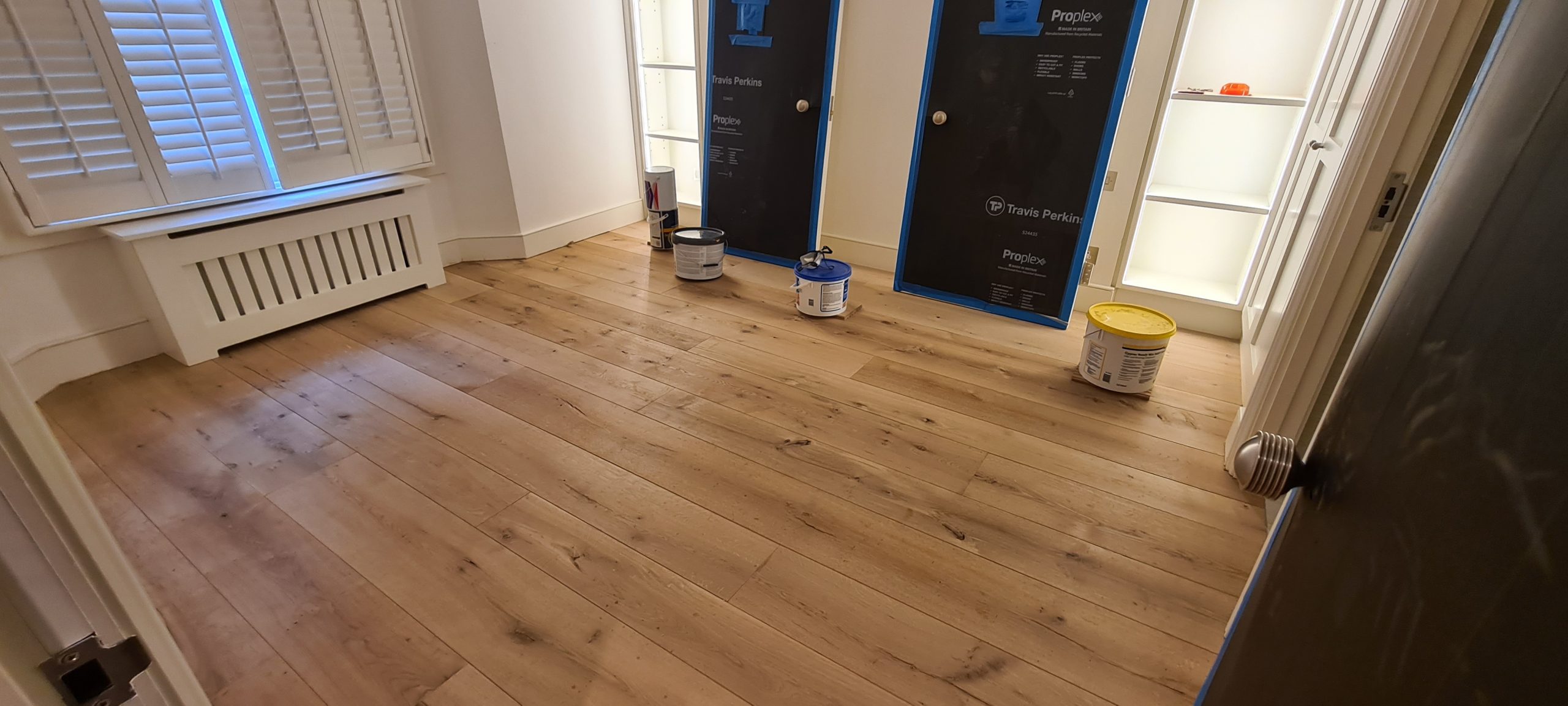
Solid plank flooring is a very popular type of flooring. It is a single plank of flooring that has been milled and machined out of one solid piece of hardwood.
Once installed, it offers beauty and splendour and is thought of as a lavish floor covering.
Plank
Plank
Plank
Plank
Plank
Plank
Plank
Plank
Plank
Plank
Plank
Plank
Plank
Plank
Plank
Plank
Plank
The use of wood for flooring dates back centuries, originating from the necessity to cover dirt floors and evolving into a symbol of sophistication and style. Solid plank flooring, in particular, has roots in medieval Europe, where it was initially reserved for the homes of the wealthy and the aristocracy, reflecting status and prosperity. Over the years, advancements in milling and installation techniques have made wood flooring more accessible, allowing for wider adoption in homes of all classes. The evolution of solid plank flooring has seen variations in width, finish, and wood species, adapting to changing tastes and technologies while maintaining its core attributes of durability and natural beauty. This journey through time highlights the enduring appeal of solid wood floors and their ability to add value and character to homes across generations.
Gallery
Plank
Plank
Plank
Plank
Plank
Plank
Plank
Plank
Plank
Plank
Plank
Plank
Plank
Plank
Plank
Plank
Plank
Benefits of Solid Plank Flooring
Solid plank flooring offers numerous benefits, making it a coveted choice among homeowners. Its foremost advantage lies in its longevity and resilience; solid wood floors can last for decades when properly maintained. Unlike other flooring types, solid plank can be sanded and refinished multiple times, allowing homeowners to rejuvenate their floors and adapt to new trends without the need for replacement. Additionally, solid wood floors are known for their ability to improve indoor air quality by not harboring dust, allergens, or mold. The aesthetic versatility of solid plank flooring also stands out, as it comes in various species, stains, and finishes that can complement any interior design theme. Its natural warmth and elegance can elevate the look and feel of any room, enhancing the overall ambiance. Lastly, solid wood flooring adds significant value to a property, making it a wise investment for both the short and long term.
Installation Considerations
Installing solid plank flooring requires careful planning and attention to detail. The process begins with acclimating the wood to the home’s environment, a crucial step that helps prevent future warping or gapping. Proper subfloor preparation is also essential, ensuring it is clean, level, and stable. The choice of installation method—nail-down, glue-down, or floating (though less common with solid wood)—depends on the subfloor material and the wood plank’s specifications. Hiring a professional installer is often recommended due to the complexities involved in achieving a precise and enduring installation. Specialized tools, such as flooring nailers and saws, are required, along with a keen eye for detail to ensure the planks are aligned correctly and the expansion gap is maintained around the room’s perimeter. The direction of the planks, usually parallel to the longest wall or major light source, can significantly impact the room’s overall appearance, making strategic planning vital to the installation’s success.